

108
N. Pankow et al.
Table 2 Practical target
indicators
I1
Tariff stability
I2
Air pollutants (health)
I3
Worker safety
I4
Competence management
I6
Free space loss
I8
Acceptance
I9
Affected sources of water
I10
Energy intensity
I11
Power consumption
I13
Greenhouse Gas emissions
I14
Other significant air emissions
I15
Biodiversity of water
I16
Waste
I17
Secondary raw materials
I18.1 Investment costs
I18.2 Operating cost
I19
Spending research and development
I20
Creativity
I21
Environmental management external
I22
Innovation and adaptability
I23
Robustness
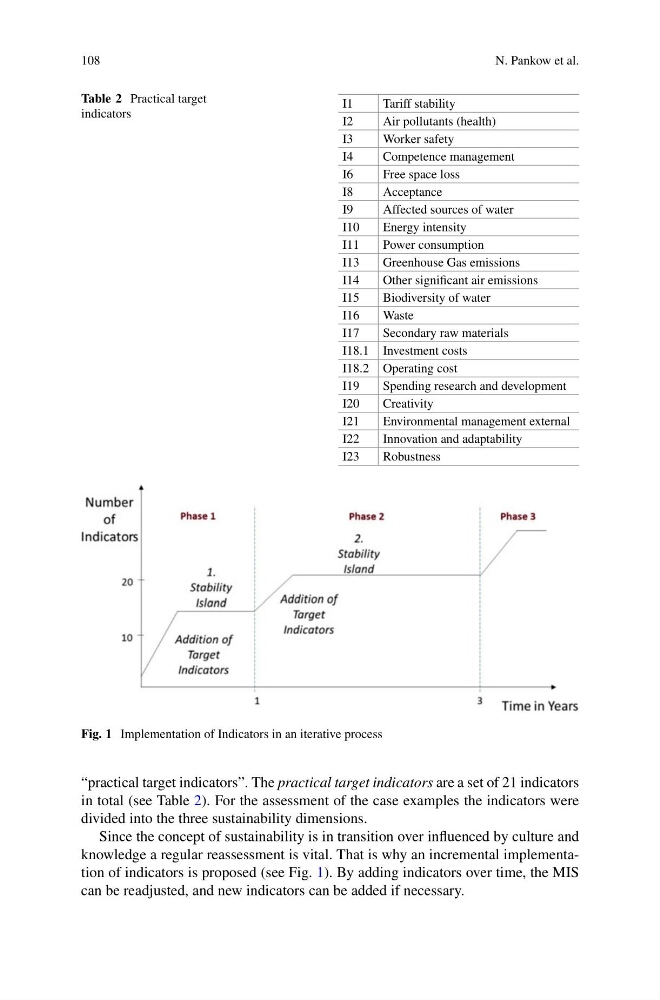
Fig. 1 Implementation of Indicators in an iterative process
“practical target indicators”. The practical target indicators are a set of 21 indicators
in total (see Table 2). For the assessment of the case examples the indicators were
divided into the three sustainability dimensions.
Since the concept of sustainability is in transition over influenced by culture and
knowledge a regular reassessment is vital. That is why an incremental implementation of indicators is proposed (see Fig. 1). By adding indicators over time, the MIS
can be readjusted, and new indicators can be added if necessary.
N. Pankow et al.
Table 2 Practical target
indicators
I1
Tariff stability
I2
Air pollutants (health)
I3
Worker safety
I4
Competence management
I6
Free space loss
I8
Acceptance
I9
Affected sources of water
I10
Energy intensity
I11
Power consumption
I13
Greenhouse Gas emissions
I14
Other significant air emissions
I15
Biodiversity of water
I16
Waste
I17
Secondary raw materials
I18.1 Investment costs
I18.2 Operating cost
I19
Spending research and development
I20
Creativity
I21
Environmental management external
I22
Innovation and adaptability
I23
Robustness
Fig. 1 Implementation of Indicators in an iterative process
“practical target indicators”. The practical target indicators are a set of 21 indicators
in total (see Table 2). For the assessment of the case examples the indicators were
divided into the three sustainability dimensions.
Since the concept of sustainability is in transition over influenced by culture and
knowledge a regular reassessment is vital. That is why an incremental implementation of indicators is proposed (see Fig. 1). By adding indicators over time, the MIS
can be readjusted, and new indicators can be added if necessary.