

Bisphenol Aepoxy is the mostpopular,followed by the bisphenol Fthat is
sometimes referred to as an epoxy novolac. The epoxy phenoln ovolac is a
higherviscosity resin that requires various types of diluents or resin blends
for formulating coatings.
The bisphenol Ar esin uses the following types of hardeners:
1. Aliphatic amines
2. Modified aliphatic amines
3. Aromaticamines
4. Others
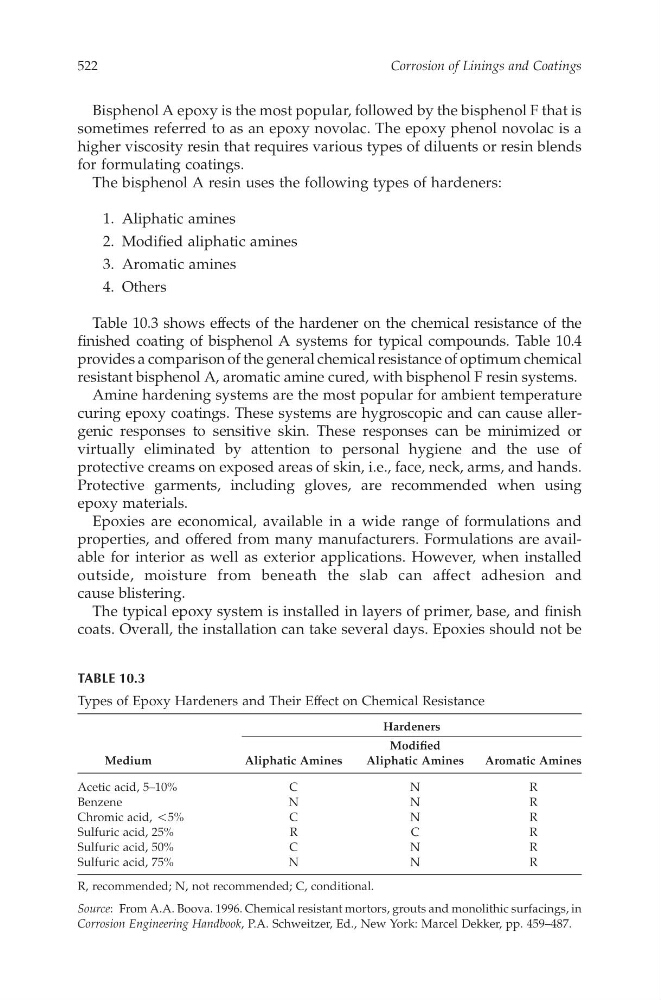
Table1 0.3s hows effectso ft he hardener on thec hemicalr esistanceo ft he
finishedc oating of bisphenolAsystemsf or typicalc ompounds.T able 10.4
provides acomparison of thegeneral chemical resistance of optimumchemical
resistantbisphenol A, aromatic aminecured,withbisphenol Fresin systems.
Amine hardening systems are the most popular for ambient temperature
curing epoxy coatings. These systems are hygroscopic and can cause allergenic responses to sensitives kin.T heser esponses can be minimized or
virtually eliminated by attention to personal hygiene and the use of
protective creams on exposed areas of skin, i.e., face, neck, arms, and hands.
Protective garments, includingg loves, arer ecommendedw henu sing
epoxy materials.
Epoxies are economical, available in aw ider ange of formulationsa nd
properties, and offered from many manufacturers.F ormulations are available for interiora sw ell as exteriora pplications. However, when installed
outside,m oisturef romb eneath the slab cana ffecta dhesiona nd
causeblistering.
The typicalepoxy system is installed in layersofprimer,base, and finish
coats.Overall, the installation can take several days. Epoxies should not be
TABLE 10.3
Types of Epoxy Hardenersa nd Their Effect on Chemical Resistance
Hardeners
Medium
Aliphatic Amines
Modified
Aliphatic Amines
AromaticAmines
Acetic acid, 5–10%
CNR
Benzene
NNR
Chromic acid, ! 5%
CNR
Sulfuric acid, 25%
RCR
Sulfuric acid, 50%
CNR
Sulfuric acid, 75%
NNR
R, recommended; N, not recommended; C, conditional.
Source:F romA.A. Boova. 1996. Chemical resistant mortors, grouts and monolithic surfacings, in
Corrosion Engineering Handbook,P .A. Schweitzer,Ed., New York: Marcel Dekker,pp. 459–487.
Corrosion of Linings and Coatings
522
CAT8247—CHAPTER 10—6/10/2006—12:52—SRIDHAR—XML MODEL B–pp. 515–532
sometimes referred to as an epoxy novolac. The epoxy phenoln ovolac is a
higherviscosity resin that requires various types of diluents or resin blends
for formulating coatings.
The bisphenol Ar esin uses the following types of hardeners:
1. Aliphatic amines
2. Modified aliphatic amines
3. Aromaticamines
4. Others
Table1 0.3s hows effectso ft he hardener on thec hemicalr esistanceo ft he
finishedc oating of bisphenolAsystemsf or typicalc ompounds.T able 10.4
provides acomparison of thegeneral chemical resistance of optimumchemical
resistantbisphenol A, aromatic aminecured,withbisphenol Fresin systems.
Amine hardening systems are the most popular for ambient temperature
curing epoxy coatings. These systems are hygroscopic and can cause allergenic responses to sensitives kin.T heser esponses can be minimized or
virtually eliminated by attention to personal hygiene and the use of
protective creams on exposed areas of skin, i.e., face, neck, arms, and hands.
Protective garments, includingg loves, arer ecommendedw henu sing
epoxy materials.
Epoxies are economical, available in aw ider ange of formulationsa nd
properties, and offered from many manufacturers.F ormulations are available for interiora sw ell as exteriora pplications. However, when installed
outside,m oisturef romb eneath the slab cana ffecta dhesiona nd
causeblistering.
The typicalepoxy system is installed in layersofprimer,base, and finish
coats.Overall, the installation can take several days. Epoxies should not be
TABLE 10.3
Types of Epoxy Hardenersa nd Their Effect on Chemical Resistance
Hardeners
Medium
Aliphatic Amines
Modified
Aliphatic Amines
AromaticAmines
Acetic acid, 5–10%
CNR
Benzene
NNR
Chromic acid, ! 5%
CNR
Sulfuric acid, 25%
RCR
Sulfuric acid, 50%
CNR
Sulfuric acid, 75%
NNR
R, recommended; N, not recommended; C, conditional.
Source:F romA.A. Boova. 1996. Chemical resistant mortors, grouts and monolithic surfacings, in
Corrosion Engineering Handbook,P .A. Schweitzer,Ed., New York: Marcel Dekker,pp. 459–487.
Corrosion of Linings and Coatings
522
CAT8247—CHAPTER 10—6/10/2006—12:52—SRIDHAR—XML MODEL B–pp. 515–532