

402
17 Environmental Flow Definition and Management: A Case Study …
50.0%
55.0%
60.0%
65.0%
70.0%
75.0%
80.0%
85.0%
90.0%
95.0%
100.0%
S2
S4
S6
S7
S8
S9
S3
S5
S10
Without e-flows
With e-flows
Scenario
Daily reliability
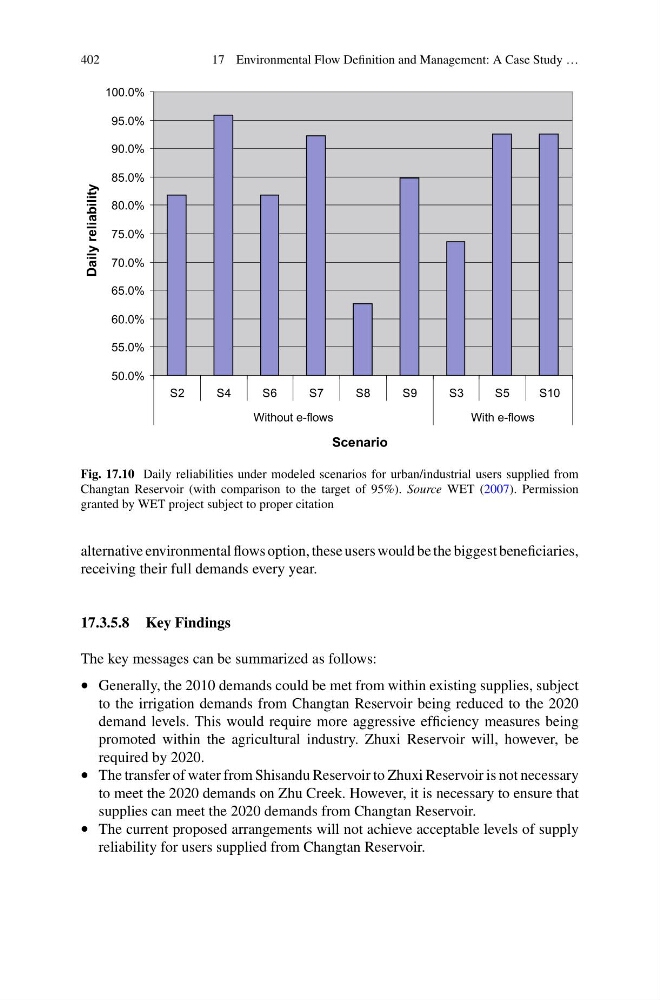
Fig. 17.10 Daily reliabilities under modeled scenarios for urban/industrial users supplied from
Changtan Reservoir (with comparison to the target of 95%). Source WET (2007). Permission
granted by WET project subject to proper citation
alternative environmental flows option, these users would be the biggest beneficiaries,
receiving their full demands every year.
17.3.5.8 Key Findings
The key messages can be summarized as follows:
• Generally, the 2010 demands could be met from within existing supplies, subject
to the irrigation demands from Changtan Reservoir being reduced to the 2020
demand levels. This would require more aggressive efficiency measures being
promoted within the agricultural industry. Zhuxi Reservoir will, however, be
required by 2020.
• The transfer of water from Shisandu Reservoir to Zhuxi Reservoir is not necessary
to meet the 2020 demands on Zhu Creek. However, it is necessary to ensure that
supplies can meet the 2020 demands from Changtan Reservoir.
• The current proposed arrangements will not achieve acceptable levels of supply
reliability for users supplied from Changtan Reservoir.
17 Environmental Flow Definition and Management: A Case Study …
50.0%
55.0%
60.0%
65.0%
70.0%
75.0%
80.0%
85.0%
90.0%
95.0%
100.0%
S2
S4
S6
S7
S8
S9
S3
S5
S10
Without e-flows
With e-flows
Scenario
Daily reliability
Fig. 17.10 Daily reliabilities under modeled scenarios for urban/industrial users supplied from
Changtan Reservoir (with comparison to the target of 95%). Source WET (2007). Permission
granted by WET project subject to proper citation
alternative environmental flows option, these users would be the biggest beneficiaries,
receiving their full demands every year.
17.3.5.8 Key Findings
The key messages can be summarized as follows:
• Generally, the 2010 demands could be met from within existing supplies, subject
to the irrigation demands from Changtan Reservoir being reduced to the 2020
demand levels. This would require more aggressive efficiency measures being
promoted within the agricultural industry. Zhuxi Reservoir will, however, be
required by 2020.
• The transfer of water from Shisandu Reservoir to Zhuxi Reservoir is not necessary
to meet the 2020 demands on Zhu Creek. However, it is necessary to ensure that
supplies can meet the 2020 demands from Changtan Reservoir.
• The current proposed arrangements will not achieve acceptable levels of supply
reliability for users supplied from Changtan Reservoir.