

366
17 Environmental Flow Definition and Management: A Case Study …
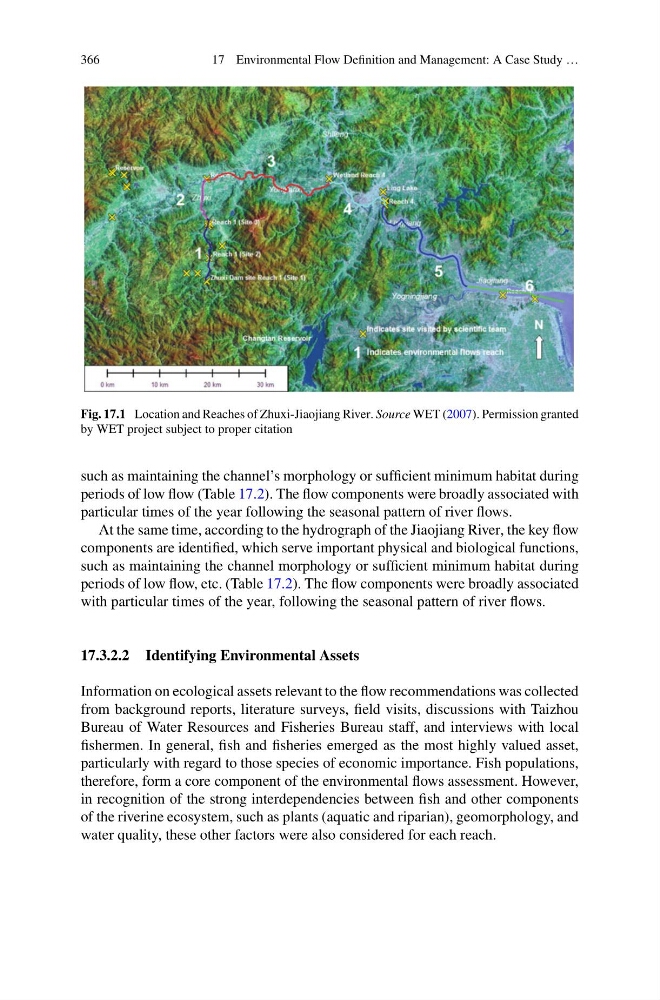
Fig. 17.1 Location and Reaches of Zhuxi-Jiaojiang River. Source WET (2007). Permission granted
by WET project subject to proper citation
such as maintaining the channel’s morphology or sufficient minimum habitat during
periods of low flow (Table 17.2). The flow components were broadly associated with
particular times of the year following the seasonal pattern of river flows.
At the same time, according to the hydrograph of the Jiaojiang River, the key flow
components are identified, which serve important physical and biological functions,
such as maintaining the channel morphology or sufficient minimum habitat during
periods of low flow, etc. (Table 17.2). The flow components were broadly associated
with particular times of the year, following the seasonal pattern of river flows.
17.3.2.2 Identifying Environmental Assets
Information on ecological assets relevant to the flow recommendations was collected
from background reports, literature surveys, field visits, discussions with Taizhou
Bureau of Water Resources and Fisheries Bureau staff, and interviews with local
fishermen. In general, fish and fisheries emerged as the most highly valued asset,
particularly with regard to those species of economic importance. Fish populations,
therefore, form a core component of the environmental flows assessment. However,
in recognition of the strong interdependencies between fish and other components
of the riverine ecosystem, such as plants (aquatic and riparian), geomorphology, and
water quality, these other factors were also considered for each reach.
17 Environmental Flow Definition and Management: A Case Study …
Fig. 17.1 Location and Reaches of Zhuxi-Jiaojiang River. Source WET (2007). Permission granted
by WET project subject to proper citation
such as maintaining the channel’s morphology or sufficient minimum habitat during
periods of low flow (Table 17.2). The flow components were broadly associated with
particular times of the year following the seasonal pattern of river flows.
At the same time, according to the hydrograph of the Jiaojiang River, the key flow
components are identified, which serve important physical and biological functions,
such as maintaining the channel morphology or sufficient minimum habitat during
periods of low flow, etc. (Table 17.2). The flow components were broadly associated
with particular times of the year, following the seasonal pattern of river flows.
17.3.2.2 Identifying Environmental Assets
Information on ecological assets relevant to the flow recommendations was collected
from background reports, literature surveys, field visits, discussions with Taizhou
Bureau of Water Resources and Fisheries Bureau staff, and interviews with local
fishermen. In general, fish and fisheries emerged as the most highly valued asset,
particularly with regard to those species of economic importance. Fish populations,
therefore, form a core component of the environmental flows assessment. However,
in recognition of the strong interdependencies between fish and other components
of the riverine ecosystem, such as plants (aquatic and riparian), geomorphology, and
water quality, these other factors were also considered for each reach.