

8
Suppose that coal fed to a boiler of a thermal power plant has 4% of sulfur content. Each ton of the coal will have 4 kg of sulfur and, therefore, 8 kg of sulfur
dioxide is produced.
Reactions wherein the products recombine/disintegrate to form chemicals from
which they are originated are called reversible reactions. If the products remain
unaltered, then they are called irreversible reactions.
Reactions happen in nature every day and almost every place: in atmosphere,
below the earth, inside water bodies, within our bodies, etc. The environmental
engineers are concerned with undesirable consequence like the one shown in
Fig. 1.4, wherein presence of numerous chemicals in solid waste dumpsite has
resulted in the formation of complex chemicals in the form of leachate.
Chemical processes in the environment usually occur in water or the atmosphere.
The chemical reactions in the environment follow one of the following four
reactions:
1. Oxidation.
2. Reduction.
3. Hydrolysis.
4. Photolysis.
The oxidation that occurs during a combustion process (Fig. 1.5) leaves behind
reduced substances in the form of ash or that are released to the atmosphere resulting
in pollution. Combustion of fuel in vehicles, thermal power plants, and waste incineration occur due to oxidation/reduction reactions that liberate energy.
Oxidation reaction involves the loss of an electron by a molecule, atom, or ion. It
is often the reaction with oxygen. Reduction involves gain of an electron by a molecule, atom, or ion. It is often the reaction with hydrogen. Hydrolysis involves splitting of a compound into other compounds by reaction with water. Photolysis is
decomposition or separation of molecules by the action of light.
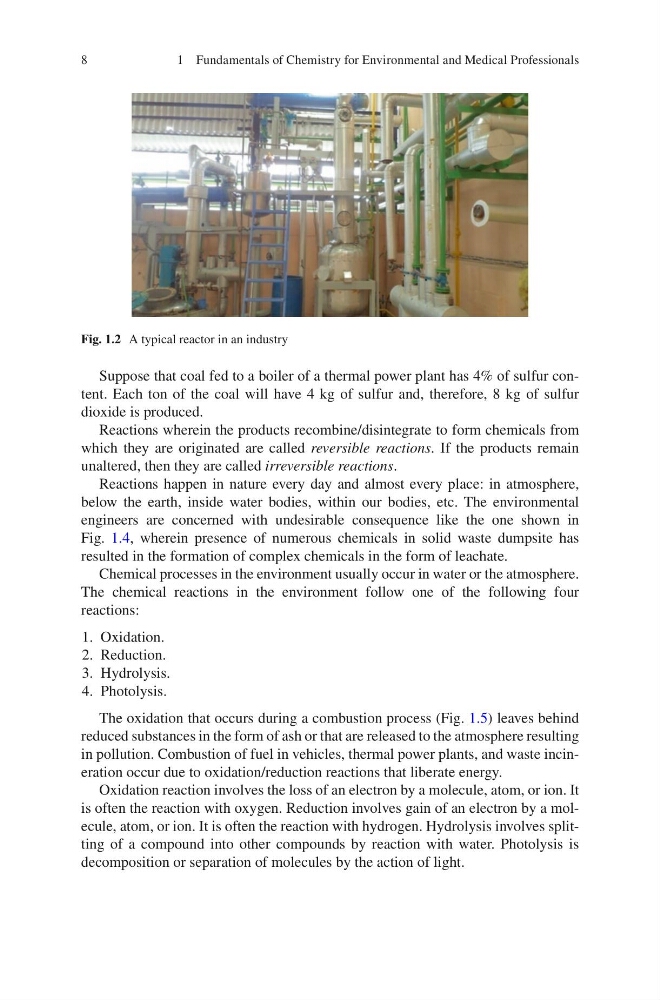
Fig. 1.2 A typical reactor in an industry
1 Fundamentals of Chemistry for Environmental and Medical Professionals
Suppose that coal fed to a boiler of a thermal power plant has 4% of sulfur content. Each ton of the coal will have 4 kg of sulfur and, therefore, 8 kg of sulfur
dioxide is produced.
Reactions wherein the products recombine/disintegrate to form chemicals from
which they are originated are called reversible reactions. If the products remain
unaltered, then they are called irreversible reactions.
Reactions happen in nature every day and almost every place: in atmosphere,
below the earth, inside water bodies, within our bodies, etc. The environmental
engineers are concerned with undesirable consequence like the one shown in
Fig. 1.4, wherein presence of numerous chemicals in solid waste dumpsite has
resulted in the formation of complex chemicals in the form of leachate.
Chemical processes in the environment usually occur in water or the atmosphere.
The chemical reactions in the environment follow one of the following four
reactions:
1. Oxidation.
2. Reduction.
3. Hydrolysis.
4. Photolysis.
The oxidation that occurs during a combustion process (Fig. 1.5) leaves behind
reduced substances in the form of ash or that are released to the atmosphere resulting
in pollution. Combustion of fuel in vehicles, thermal power plants, and waste incineration occur due to oxidation/reduction reactions that liberate energy.
Oxidation reaction involves the loss of an electron by a molecule, atom, or ion. It
is often the reaction with oxygen. Reduction involves gain of an electron by a molecule, atom, or ion. It is often the reaction with hydrogen. Hydrolysis involves splitting of a compound into other compounds by reaction with water. Photolysis is
decomposition or separation of molecules by the action of light.
Fig. 1.2 A typical reactor in an industry
1 Fundamentals of Chemistry for Environmental and Medical Professionals