

178
The whole human body is more than the sum of the parts (David et al. 2007).
Organ systems interact in ways to maintain good health. Human body is just the
minute component of the environment. The human body interactions with different
environmental components are more complex and not fully understood.
The morphology, physiology, metabolism, and behavior of an organism is a
product of both the genes transmitted from the parents and the environment such as
diet, light, humidity, temperature, and local chemicals (Mugerauer 2010).
Each organ part works individually and functions together with other organs. The
body is a complex machine where innumerable chemical reactions lead to physical
change to form a biological entity. The environment hosts human body. On the other
hand, human body hosts millions of microorganisms apart from parasitic macroorganisms such as tape worm and round worm.
Understanding structural similarities from the microscopic to macroscopic levels
of body itself is a great science. Interaction of human and the environment which
may lead to changes in complex systems of human body needs different level of
thinking.
Any change in the environment can affect either part or whole of body. Many
substances such as toilet cleaners, agrochemicals, and vector repellents which are
used for protecting health and nutrition may turn out to be detrimental to health as
they enter the environment. All these can become pollutants if they enter the nature
and will kill many species including humans if the quantities exceed more than the
desirable limits. The desirable limits can vary depending upon the media (air/water/
food) they enter.
5.3 Physiology
Physiology is a specialty of medical science that deals with the functions of living
beings and their parts. Living organisms lead healthy life at the optimum environmental conditions, which include abiotic conditions (temperature, humidity, radiation, noise, light, and proportions of different elements and compounds in the media
in which organisms exist), different organisms live in different media and have difMedical
Specialties
Surgical or
General
Medicine
Organ based
or Technique
based
Diagnostic or
Therapeutic
Age range of
Patient
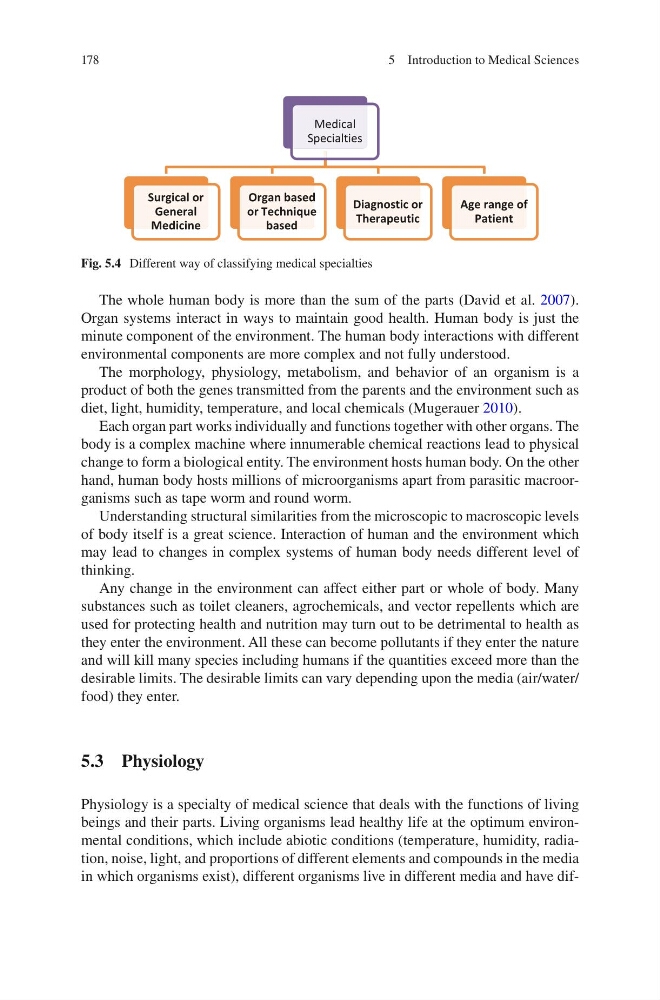
Fig. 5.4 Different way of classifying medical specialties
5 Introduction to Medical Sciences
The whole human body is more than the sum of the parts (David et al. 2007).
Organ systems interact in ways to maintain good health. Human body is just the
minute component of the environment. The human body interactions with different
environmental components are more complex and not fully understood.
The morphology, physiology, metabolism, and behavior of an organism is a
product of both the genes transmitted from the parents and the environment such as
diet, light, humidity, temperature, and local chemicals (Mugerauer 2010).
Each organ part works individually and functions together with other organs. The
body is a complex machine where innumerable chemical reactions lead to physical
change to form a biological entity. The environment hosts human body. On the other
hand, human body hosts millions of microorganisms apart from parasitic macroorganisms such as tape worm and round worm.
Understanding structural similarities from the microscopic to macroscopic levels
of body itself is a great science. Interaction of human and the environment which
may lead to changes in complex systems of human body needs different level of
thinking.
Any change in the environment can affect either part or whole of body. Many
substances such as toilet cleaners, agrochemicals, and vector repellents which are
used for protecting health and nutrition may turn out to be detrimental to health as
they enter the environment. All these can become pollutants if they enter the nature
and will kill many species including humans if the quantities exceed more than the
desirable limits. The desirable limits can vary depending upon the media (air/water/
food) they enter.
5.3 Physiology
Physiology is a specialty of medical science that deals with the functions of living
beings and their parts. Living organisms lead healthy life at the optimum environmental conditions, which include abiotic conditions (temperature, humidity, radiation, noise, light, and proportions of different elements and compounds in the media
in which organisms exist), different organisms live in different media and have difMedical
Specialties
Surgical or
General
Medicine
Organ based
or Technique
based
Diagnostic or
Therapeutic
Age range of
Patient
Fig. 5.4 Different way of classifying medical specialties
5 Introduction to Medical Sciences