

227
IoT Challenges
11.9.1.6 Denial-of-service (DoS) Attack [6]
It is the kind of attack where the access to a system or a certain network is denied by the
users and the culprit misuses this unauthorized access. It could be for the purpose of terminating an ongoing or upcoming process of a host linked with the Internet for an unlimited or unspecified period of time. This condition of DoS can be achieved by inundating
the aimed system or device with surplus and redundant requests in order to overload it
and block the permissible and authorized requests from being acknowledged and entertained. The analogy drawn could be a scenario where the entrance to a particular door to a
shop is jammed by the crowd and does not allow the authorized people who are supposed
to get into the shop, thus interrupting the regular and smooth functioning of the shop.
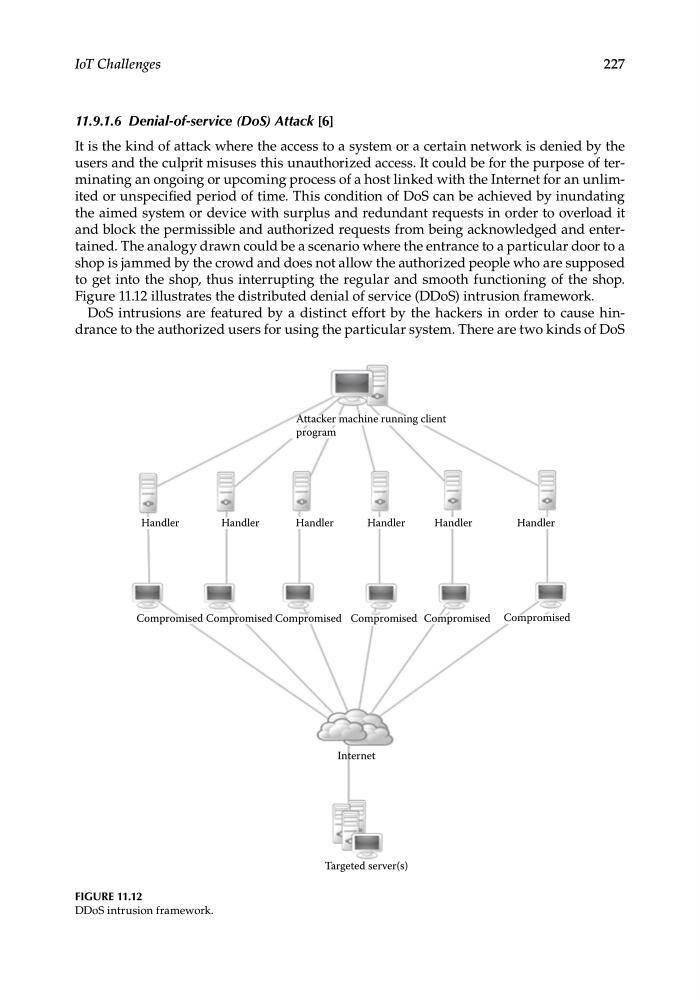
Figure 11.12 illustrates the distributed denial of service (DDoS) intrusion framework.
DoS intrusions are featured by a distinct effort by the hackers in order to cause hindrance to the authorized users for using the particular system. There are two kinds of DoS
Targeted server(s)
Internet
Compromised Compromised Compromised Compromised Compromised Compromised
Handler
Handler
Handler
Attacker machine running client
program
Handler
Handler
Handler
FIGURE 11.12
DDoS intrusion framework.
IoT Challenges
11.9.1.6 Denial-of-service (DoS) Attack [6]
It is the kind of attack where the access to a system or a certain network is denied by the
users and the culprit misuses this unauthorized access. It could be for the purpose of terminating an ongoing or upcoming process of a host linked with the Internet for an unlimited or unspecified period of time. This condition of DoS can be achieved by inundating
the aimed system or device with surplus and redundant requests in order to overload it
and block the permissible and authorized requests from being acknowledged and entertained. The analogy drawn could be a scenario where the entrance to a particular door to a
shop is jammed by the crowd and does not allow the authorized people who are supposed
to get into the shop, thus interrupting the regular and smooth functioning of the shop.
Figure 11.12 illustrates the distributed denial of service (DDoS) intrusion framework.
DoS intrusions are featured by a distinct effort by the hackers in order to cause hindrance to the authorized users for using the particular system. There are two kinds of DoS
Targeted server(s)
Internet
Compromised Compromised Compromised Compromised Compromised Compromised
Handler
Handler
Handler
Attacker machine running client
program
Handler
Handler
Handler
FIGURE 11.12
DDoS intrusion framework.