

96
A. Kadłuczka and K. Stala
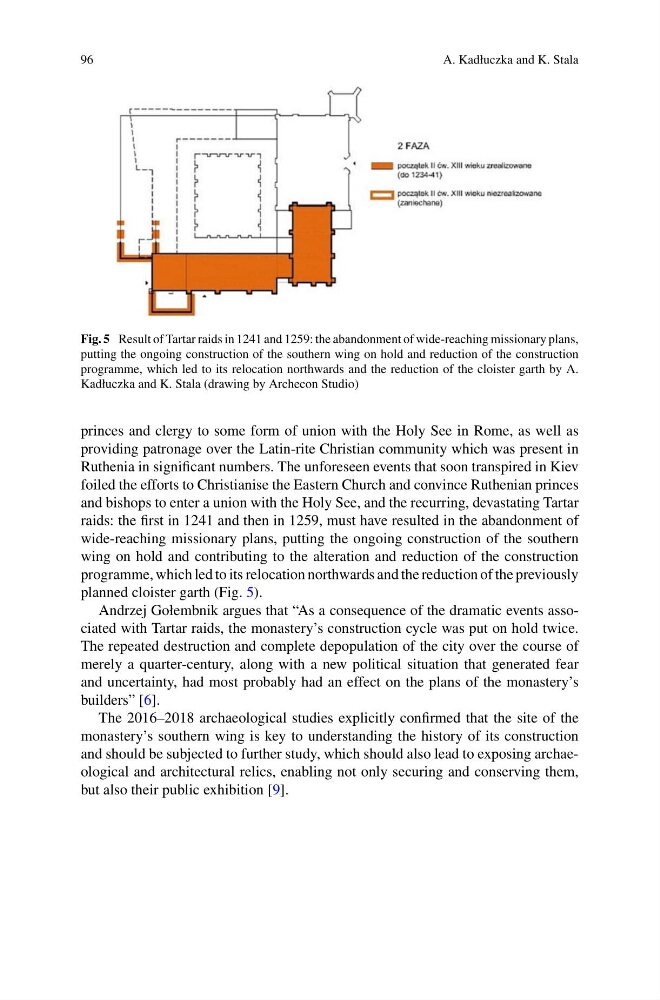
Fig. 5 Result of Tartar raids in 1241 and 1259: the abandonment of wide-reaching missionary plans,
putting the ongoing construction of the southern wing on hold and reduction of the construction
programme, which led to its relocation northwards and the reduction of the cloister garth by A.
Kadłuczka and K. Stala (drawing by Archecon Studio)
princes and clergy to some form of union with the Holy See in Rome, as well as
providing patronage over the Latin-rite Christian community which was present in
Ruthenia in significant numbers. The unforeseen events that soon transpired in Kiev
foiled the efforts to Christianise the Eastern Church and convince Ruthenian princes
and bishops to enter a union with the Holy See, and the recurring, devastating Tartar
raids: the first in 1241 and then in 1259, must have resulted in the abandonment of
wide-reaching missionary plans, putting the ongoing construction of the southern
wing on hold and contributing to the alteration and reduction of the construction
programme, which led to its relocation northwards and the reduction of the previously
planned cloister garth (Fig. 5).
Andrzej Gołembnik argues that “As a consequence of the dramatic events associated with Tartar raids, the monastery’s construction cycle was put on hold twice.
The repeated destruction and complete depopulation of the city over the course of
merely a quarter-century, along with a new political situation that generated fear
and uncertainty, had most probably had an effect on the plans of the monastery’s
builders” [6].
The 2016–2018 archaeological studies explicitly confirmed that the site of the
monastery’s southern wing is key to understanding the history of its construction
and should be subjected to further study, which should also lead to exposing archaeological and architectural relics, enabling not only securing and conserving them,
but also their public exhibition [9].
A. Kadłuczka and K. Stala
Fig. 5 Result of Tartar raids in 1241 and 1259: the abandonment of wide-reaching missionary plans,
putting the ongoing construction of the southern wing on hold and reduction of the construction
programme, which led to its relocation northwards and the reduction of the cloister garth by A.
Kadłuczka and K. Stala (drawing by Archecon Studio)
princes and clergy to some form of union with the Holy See in Rome, as well as
providing patronage over the Latin-rite Christian community which was present in
Ruthenia in significant numbers. The unforeseen events that soon transpired in Kiev
foiled the efforts to Christianise the Eastern Church and convince Ruthenian princes
and bishops to enter a union with the Holy See, and the recurring, devastating Tartar
raids: the first in 1241 and then in 1259, must have resulted in the abandonment of
wide-reaching missionary plans, putting the ongoing construction of the southern
wing on hold and contributing to the alteration and reduction of the construction
programme, which led to its relocation northwards and the reduction of the previously
planned cloister garth (Fig. 5).
Andrzej Gołembnik argues that “As a consequence of the dramatic events associated with Tartar raids, the monastery’s construction cycle was put on hold twice.
The repeated destruction and complete depopulation of the city over the course of
merely a quarter-century, along with a new political situation that generated fear
and uncertainty, had most probably had an effect on the plans of the monastery’s
builders” [6].
The 2016–2018 archaeological studies explicitly confirmed that the site of the
monastery’s southern wing is key to understanding the history of its construction
and should be subjected to further study, which should also lead to exposing archaeological and architectural relics, enabling not only securing and conserving them,
but also their public exhibition [9].