

generation could offer a viable alternative to vegetable oils
(Karlsson et al. 2016). In addition, there are no issues with
microbial sources in regards to the large hectare of land-use
cleared for oil crops, or any controversy with regards to the
“food versus fuel” debate, as faced by the vegetable oils. The
drawback is that the lignocellulosic microbial biodiesel
production is still not economically viable (Biddy et al.
2016). The generation of biodiesel and co-products can
possibly make the production more competitive. Hydrocarbons with properties similar to the fossil-based diesel could
be produced using corn stover, by employing Rhodotorula
toruloides for fermentation, followed by catalytic hydrogenation (Sànchez i Nogué and Black 2018). Rhodotorula
species have red color because of the formation of carotenes
(primarily b-carotenes). Carotenes are extensively employed
as antioxidants and colorants in foods, feeds, pharmaceuticals, and cosmetics. Co-production with lipid can enhance
the economic sustainability of biodiesel (Schneider et al.
2013).
5.2 Biochemicals
Generation of biochemicals by utilizing wastes as the feedstocks has been gaining momentum as part of the effort to
tackle climate change (Han et al. 2019). This is also spurred
by the declining fossil fuel-based resources, and to address
the carbon dioxide released from the use of non-renewable
carbons. Biomass wastes are biodegradable and abundantly
available, to provide a wide range of chemical components
that could act as precursors for the production of a diverse
range of biochemicals, and eco-friendly end-products, or
intermediates. These include oligosaccharides, monosaccharides, bioactive molecules, biofuels, lignin, and
nanocellulose (Cho et al. 2020). Wheat straw serves as a
feedstock to produce high-value furfural compounds. Furfural is obtained via dehydration of pentoses, and could be
utilized as a precursor for the generation of biofuel, fuel
additives, and different chemicals. It is also a by-product
obtained during the thermochemical pretreatment but it
could be an inhibitor during fermentation. The furfural
production technologies need further improvement to avoid
damaging the cellulose, and preventing the glucose monomer from being transformed into biofuels (Machado et al.
2016). Simultaneous production of furfural, ethanol, and
lipid is, however, attractive, where 1 kg of straw biomass
could produce 110 g of furfural, 111 g of ethanol, and 33 g
of lipid (Brandenburg et al. 2018). This may be advantageous to address the environmental concern of large-scale
plantation such as palm oil production, and this could also be
implemented as an integrated bio-refinery with microalgal
cultivation (Abdullah and Hussein 2020).
Cellulase production has been carried out via Solid State
Bioconversion (SSB), utilizing rice straw, an agricultural
and lignocellulosic waste, as the substrate of Phanerochaete
chrysosporium and Trichoderma sp. P. chrysosporium
resulting in maximum cellulase at 2.4 IU/ml of carboxymethylcellulose activity and 1.43 IU/ml of filter paper
activity. The reducing sugar and glucosamine are detected to
evaluate the amount of substrate use. Maximum glucosamine of 1.60 g/L and the reducing sugar released at
2.58 g/L are attained on the fourth fermentation day with
P. chrysosporium (Khan et al. 2007). The multispecies
biofilm membrane (MBM) reactors have been utilized for
the culture of anaerobic and aerobic microbes at the same
time to process cellulose and produce short chain fatty acids
(SCFAs). A consortium-based consolidated bioprocess
(CBP) makes use of rumen microbiome, co-cultivated with
aerobic fungi grown in a biofilm. The use of fungal biofilm
has improved the yields and cellulolytic activities as
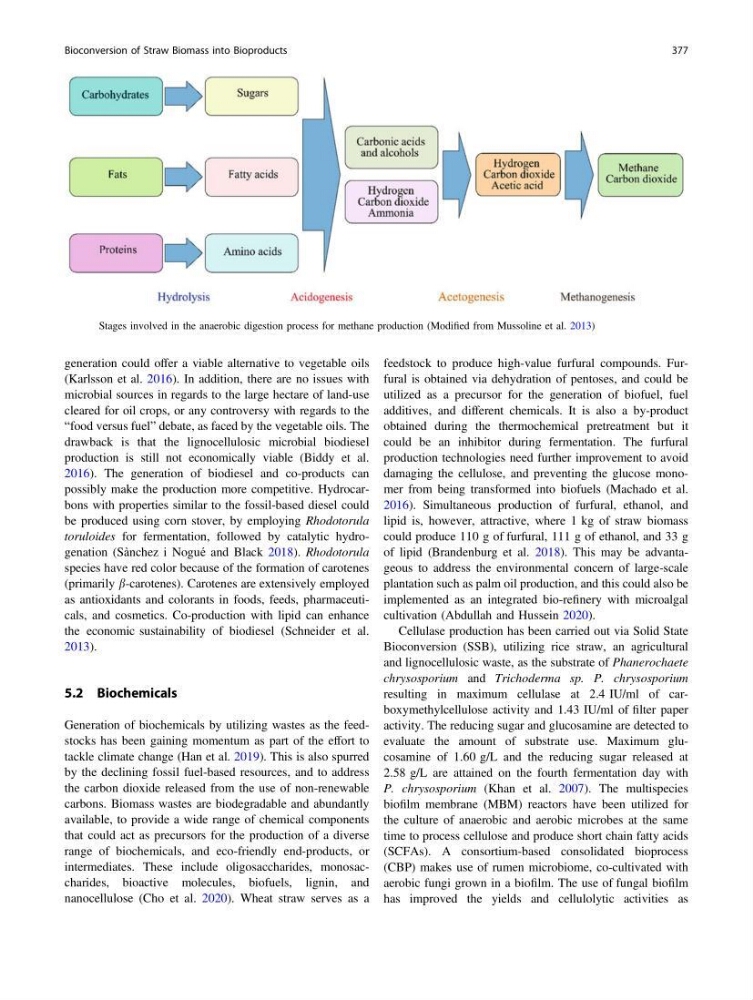
Fig. 6 Stages involved in the anaerobic digestion process for methane production (Modified from Mussoline et al. 2013)
Bioconversion of Straw Biomass into Bioproducts
377
(Karlsson et al. 2016). In addition, there are no issues with
microbial sources in regards to the large hectare of land-use
cleared for oil crops, or any controversy with regards to the
“food versus fuel” debate, as faced by the vegetable oils. The
drawback is that the lignocellulosic microbial biodiesel
production is still not economically viable (Biddy et al.
2016). The generation of biodiesel and co-products can
possibly make the production more competitive. Hydrocarbons with properties similar to the fossil-based diesel could
be produced using corn stover, by employing Rhodotorula
toruloides for fermentation, followed by catalytic hydrogenation (Sànchez i Nogué and Black 2018). Rhodotorula
species have red color because of the formation of carotenes
(primarily b-carotenes). Carotenes are extensively employed
as antioxidants and colorants in foods, feeds, pharmaceuticals, and cosmetics. Co-production with lipid can enhance
the economic sustainability of biodiesel (Schneider et al.
2013).
5.2 Biochemicals
Generation of biochemicals by utilizing wastes as the feedstocks has been gaining momentum as part of the effort to
tackle climate change (Han et al. 2019). This is also spurred
by the declining fossil fuel-based resources, and to address
the carbon dioxide released from the use of non-renewable
carbons. Biomass wastes are biodegradable and abundantly
available, to provide a wide range of chemical components
that could act as precursors for the production of a diverse
range of biochemicals, and eco-friendly end-products, or
intermediates. These include oligosaccharides, monosaccharides, bioactive molecules, biofuels, lignin, and
nanocellulose (Cho et al. 2020). Wheat straw serves as a
feedstock to produce high-value furfural compounds. Furfural is obtained via dehydration of pentoses, and could be
utilized as a precursor for the generation of biofuel, fuel
additives, and different chemicals. It is also a by-product
obtained during the thermochemical pretreatment but it
could be an inhibitor during fermentation. The furfural
production technologies need further improvement to avoid
damaging the cellulose, and preventing the glucose monomer from being transformed into biofuels (Machado et al.
2016). Simultaneous production of furfural, ethanol, and
lipid is, however, attractive, where 1 kg of straw biomass
could produce 110 g of furfural, 111 g of ethanol, and 33 g
of lipid (Brandenburg et al. 2018). This may be advantageous to address the environmental concern of large-scale
plantation such as palm oil production, and this could also be
implemented as an integrated bio-refinery with microalgal
cultivation (Abdullah and Hussein 2020).
Cellulase production has been carried out via Solid State
Bioconversion (SSB), utilizing rice straw, an agricultural
and lignocellulosic waste, as the substrate of Phanerochaete
chrysosporium and Trichoderma sp. P. chrysosporium
resulting in maximum cellulase at 2.4 IU/ml of carboxymethylcellulose activity and 1.43 IU/ml of filter paper
activity. The reducing sugar and glucosamine are detected to
evaluate the amount of substrate use. Maximum glucosamine of 1.60 g/L and the reducing sugar released at
2.58 g/L are attained on the fourth fermentation day with
P. chrysosporium (Khan et al. 2007). The multispecies
biofilm membrane (MBM) reactors have been utilized for
the culture of anaerobic and aerobic microbes at the same
time to process cellulose and produce short chain fatty acids
(SCFAs). A consortium-based consolidated bioprocess
(CBP) makes use of rumen microbiome, co-cultivated with
aerobic fungi grown in a biofilm. The use of fungal biofilm
has improved the yields and cellulolytic activities as
Fig. 6 Stages involved in the anaerobic digestion process for methane production (Modified from Mussoline et al. 2013)
Bioconversion of Straw Biomass into Bioproducts
377