

1.2 Oil Palm Industry Worldwide
Global consumption for oils and fats is projected to increase,
particularly from China and India, which are the major consumers of oils and fats. Out of the 17 major oils and fats
consumed in the world, 13 oils are from vegetable origin and
4 oils are from animal origin. The 13 common vegetable oils
are palm oil, PKO, soybean oil, sunflower oil, coconut oil,
olive oil, corn oil, groundnut oil, rapeseed oil, cottonseed oil,
sesame oil, castor oil and linseed oil; whereas the four most
consumed animal fats are butter, tallow, fish oil and lard.
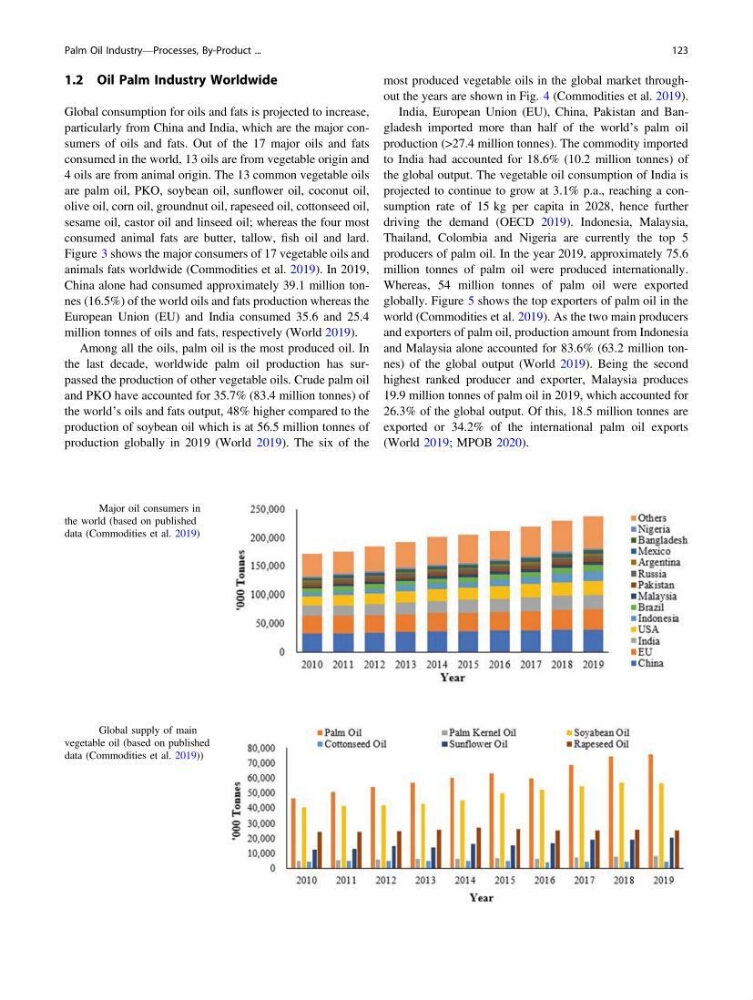
Figure 3 shows the major consumers of 17 vegetable oils and
animals fats worldwide (Commodities et al. 2019). In 2019,
China alone had consumed approximately 39.1 million tonnes (16.5%) of the world oils and fats production whereas the
European Union (EU) and India consumed 35.6 and 25.4
million tonnes of oils and fats, respectively (World 2019).
Among all the oils, palm oil is the most produced oil. In
the last decade, worldwide palm oil production has surpassed the production of other vegetable oils. Crude palm oil
and PKO have accounted for 35.7% (83.4 million tonnes) of
the world’s oils and fats output, 48% higher compared to the
production of soybean oil which is at 56.5 million tonnes of
production globally in 2019 (World 2019). The six of the
most produced vegetable oils in the global market throughout the years are shown in Fig. 4 (Commodities et al. 2019).
India, European Union (EU), China, Pakistan and Bangladesh imported more than half of the world’s palm oil
production (>27.4 million tonnes). The commodity imported
to India had accounted for 18.6% (10.2 million tonnes) of
the global output. The vegetable oil consumption of India is
projected to continue to grow at 3.1% p.a., reaching a consumption rate of 15 kg per capita in 2028, hence further
driving the demand (OECD 2019). Indonesia, Malaysia,
Thailand, Colombia and Nigeria are currently the top 5
producers of palm oil. In the year 2019, approximately 75.6
million tonnes of palm oil were produced internationally.
Whereas, 54 million tonnes of palm oil were exported
globally. Figure 5 shows the top exporters of palm oil in the
world (Commodities et al. 2019). As the two main producers
and exporters of palm oil, production amount from Indonesia
and Malaysia alone accounted for 83.6% (63.2 million tonnes) of the global output (World 2019). Being the second
highest ranked producer and exporter, Malaysia produces
19.9 million tonnes of palm oil in 2019, which accounted for
26.3% of the global output. Of this, 18.5 million tonnes are
exported or 34.2% of the international palm oil exports
(World 2019; MPOB 2020).
Fig. 3 Major oil consumers in
the world (based on published
data (Commodities et al. 2019)
Fig. 4 Global supply of main
vegetable oil (based on published
data (Commodities et al. 2019))
Palm Oil Industry—Processes, By-Product ...
123
Global consumption for oils and fats is projected to increase,
particularly from China and India, which are the major consumers of oils and fats. Out of the 17 major oils and fats
consumed in the world, 13 oils are from vegetable origin and
4 oils are from animal origin. The 13 common vegetable oils
are palm oil, PKO, soybean oil, sunflower oil, coconut oil,
olive oil, corn oil, groundnut oil, rapeseed oil, cottonseed oil,
sesame oil, castor oil and linseed oil; whereas the four most
consumed animal fats are butter, tallow, fish oil and lard.
Figure 3 shows the major consumers of 17 vegetable oils and
animals fats worldwide (Commodities et al. 2019). In 2019,
China alone had consumed approximately 39.1 million tonnes (16.5%) of the world oils and fats production whereas the
European Union (EU) and India consumed 35.6 and 25.4
million tonnes of oils and fats, respectively (World 2019).
Among all the oils, palm oil is the most produced oil. In
the last decade, worldwide palm oil production has surpassed the production of other vegetable oils. Crude palm oil
and PKO have accounted for 35.7% (83.4 million tonnes) of
the world’s oils and fats output, 48% higher compared to the
production of soybean oil which is at 56.5 million tonnes of
production globally in 2019 (World 2019). The six of the
most produced vegetable oils in the global market throughout the years are shown in Fig. 4 (Commodities et al. 2019).
India, European Union (EU), China, Pakistan and Bangladesh imported more than half of the world’s palm oil
production (>27.4 million tonnes). The commodity imported
to India had accounted for 18.6% (10.2 million tonnes) of
the global output. The vegetable oil consumption of India is
projected to continue to grow at 3.1% p.a., reaching a consumption rate of 15 kg per capita in 2028, hence further
driving the demand (OECD 2019). Indonesia, Malaysia,
Thailand, Colombia and Nigeria are currently the top 5
producers of palm oil. In the year 2019, approximately 75.6
million tonnes of palm oil were produced internationally.
Whereas, 54 million tonnes of palm oil were exported
globally. Figure 5 shows the top exporters of palm oil in the
world (Commodities et al. 2019). As the two main producers
and exporters of palm oil, production amount from Indonesia
and Malaysia alone accounted for 83.6% (63.2 million tonnes) of the global output (World 2019). Being the second
highest ranked producer and exporter, Malaysia produces
19.9 million tonnes of palm oil in 2019, which accounted for
26.3% of the global output. Of this, 18.5 million tonnes are
exported or 34.2% of the international palm oil exports
(World 2019; MPOB 2020).
Fig. 3 Major oil consumers in
the world (based on published
data (Commodities et al. 2019)
Fig. 4 Global supply of main
vegetable oil (based on published
data (Commodities et al. 2019))
Palm Oil Industry—Processes, By-Product ...
123