

79
sections of rails and roads cross through the corridors. This ignorance leads to sanction of more and more developmental projects and there is lack of funds for securing
the corridors by land purchase or allocation of funds for relocation of people or
community intervention (Rangarajan et al. 2010). The presence of railways and
roads is also not a small hurdle; it can eventually alter the entire dynamics of elephant habitats often leading to creation of edges and alienation of habitats, besides
hindering the movement of elephants through their corridors. Moreover, various
developmental activities on either side of the highways increases the anthropogenic
pressure (Rangarajan et al. 2010). Mining is also another detrimental factor that acts
like a big block across the routes used by elephants, creating impacts that are irreversible and cause environmental imbalance as it involves building of mining infrastructure (Rangarajan et al. 2010). Forest clearance is the first step taken while
undertaking any mining project, so it again leads to deforestation and fragmentation
of forest patches as there are many other associated activities such as dumping of
overburden, deposition of tailings, setting up of infrastructure for transport and surface facilities (Rangarajan et al. 2010). Carrying away substrate materials and creation of voids for mining also adds to the alteration of hydrology and topography of
the land (Rangarajan et al. 2010). Open cast mining (surface mining technique for
excavation of minerals) acted as a hinderance to the protection of elephant habitats
in central India such as in in Singhbhum (Jharkhand), Keonjhar, Mayurbhanj,
Dhenkanal, Angul and Phulbani (Orissa) and also in adjoining states of Chhattisgarh
and West Bengal (Rangarajan et al. 2010). Inspite of many rules and regulations, the
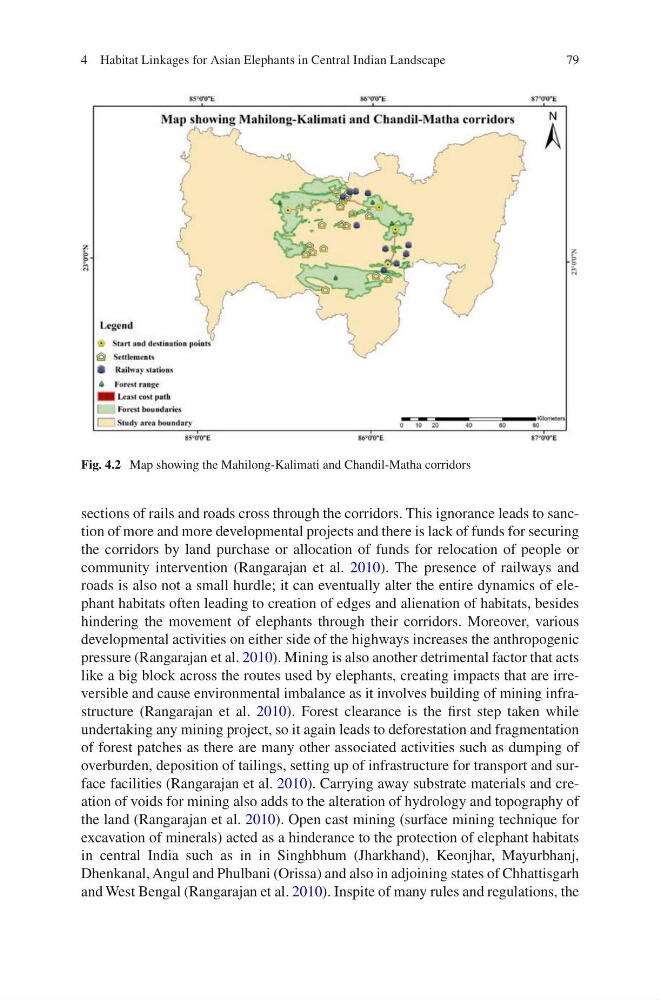
Fig. 4.2 Map showing the Mahilong-Kalimati and Chandil-Matha corridors
4 Habitat Linkages for Asian Elephants in Central Indian Landscape
sections of rails and roads cross through the corridors. This ignorance leads to sanction of more and more developmental projects and there is lack of funds for securing
the corridors by land purchase or allocation of funds for relocation of people or
community intervention (Rangarajan et al. 2010). The presence of railways and
roads is also not a small hurdle; it can eventually alter the entire dynamics of elephant habitats often leading to creation of edges and alienation of habitats, besides
hindering the movement of elephants through their corridors. Moreover, various
developmental activities on either side of the highways increases the anthropogenic
pressure (Rangarajan et al. 2010). Mining is also another detrimental factor that acts
like a big block across the routes used by elephants, creating impacts that are irreversible and cause environmental imbalance as it involves building of mining infrastructure (Rangarajan et al. 2010). Forest clearance is the first step taken while
undertaking any mining project, so it again leads to deforestation and fragmentation
of forest patches as there are many other associated activities such as dumping of
overburden, deposition of tailings, setting up of infrastructure for transport and surface facilities (Rangarajan et al. 2010). Carrying away substrate materials and creation of voids for mining also adds to the alteration of hydrology and topography of
the land (Rangarajan et al. 2010). Open cast mining (surface mining technique for
excavation of minerals) acted as a hinderance to the protection of elephant habitats
in central India such as in in Singhbhum (Jharkhand), Keonjhar, Mayurbhanj,
Dhenkanal, Angul and Phulbani (Orissa) and also in adjoining states of Chhattisgarh
and West Bengal (Rangarajan et al. 2010). Inspite of many rules and regulations, the
Fig. 4.2 Map showing the Mahilong-Kalimati and Chandil-Matha corridors
4 Habitat Linkages for Asian Elephants in Central Indian Landscape