

289
all the farmers of the village, is now almost abandoned. Most of the farmers informed
that due to lack of canal water supply, they have ceased to practice ahu rice cultivation. During the last 5–10 years, the upland rice fields, i.e. autumn rice fields, have
been almost converted into betel nut gardens due to insufficient water supply in the
ahu season. It is worth mentioning that the agricultural landholders are the main
players of the dong-bandh irrigation system and under the patronage of the DongBandh Committee they themselves decide the number of persons per household to
take part in the maintenance of the system. However, due to the rapid transformation
of the agricultural lands into betel nut plantations on the one hand and out-migration
of the young people of the area in search of non-farm activities on the other, people’s participation in dong-bandh activities has started declining notably.
Recently, quite a large number of people have settled in the upstream parts
(Bhangrikuchi Forest) of the foothill area after clearing the forest. They have
diverted water from the upper reach of the canal, as a result of which the people of
Chaulkara and other downstream villages are getting deprived of required water for
their agricultural activities. The people of the villages like Reclamation C block and
Pakharama in the downstream now do not receive any canal water.
It is also important to note that the raw materials required for constructing the
dong-bandhs are getting increasingly scarce due to extensive quarrying of boulders
from the riverbed and large-scale deforestation in the upper catchment areas.
Increasing demands of boulders for the construction of national and state highways
and also for building construction in Baksa and neighbouring districts have encouraged some outsiders to exploit these natural resources indiscriminately. Thus these
types of interventions caused by some external processes and policies have caused
serious problems to the century-old traditional irrigation practices of this area.
In addition to the above-mentioned human-induced problems, some other geoenvironmental problems are also there to affect the traditional system. During the
time of water supply through the canals, large amount of water gets lost due to high
seepage, especially in the downstream areas. Similarly, siltation also seriously
affects the dong irrigation system. Every year large quantity of sands gets deposited
in the dongs and the irrigated fields as well, particularly during the monsoon season
(Fig. 16.5). Therefore, the villagers have to clear sands from the dongs and
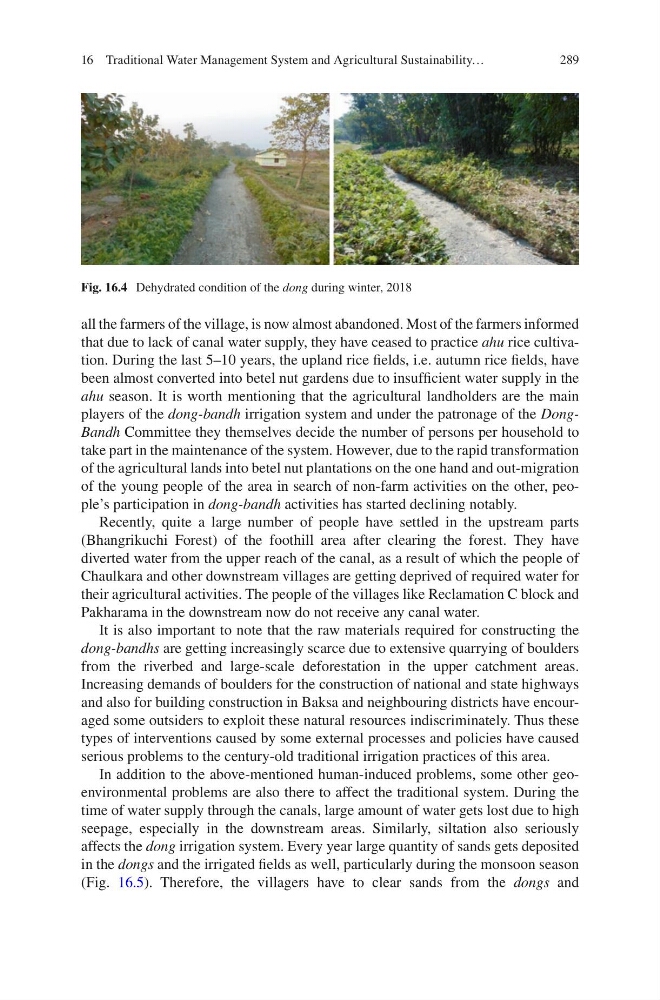
Fig. 16.4 Dehydrated condition of the dong during winter, 2018
16 Traditional Water Management System and Agricultural Sustainability…
all the farmers of the village, is now almost abandoned. Most of the farmers informed
that due to lack of canal water supply, they have ceased to practice ahu rice cultivation. During the last 5–10 years, the upland rice fields, i.e. autumn rice fields, have
been almost converted into betel nut gardens due to insufficient water supply in the
ahu season. It is worth mentioning that the agricultural landholders are the main
players of the dong-bandh irrigation system and under the patronage of the DongBandh Committee they themselves decide the number of persons per household to
take part in the maintenance of the system. However, due to the rapid transformation
of the agricultural lands into betel nut plantations on the one hand and out-migration
of the young people of the area in search of non-farm activities on the other, people’s participation in dong-bandh activities has started declining notably.
Recently, quite a large number of people have settled in the upstream parts
(Bhangrikuchi Forest) of the foothill area after clearing the forest. They have
diverted water from the upper reach of the canal, as a result of which the people of
Chaulkara and other downstream villages are getting deprived of required water for
their agricultural activities. The people of the villages like Reclamation C block and
Pakharama in the downstream now do not receive any canal water.
It is also important to note that the raw materials required for constructing the
dong-bandhs are getting increasingly scarce due to extensive quarrying of boulders
from the riverbed and large-scale deforestation in the upper catchment areas.
Increasing demands of boulders for the construction of national and state highways
and also for building construction in Baksa and neighbouring districts have encouraged some outsiders to exploit these natural resources indiscriminately. Thus these
types of interventions caused by some external processes and policies have caused
serious problems to the century-old traditional irrigation practices of this area.
In addition to the above-mentioned human-induced problems, some other geoenvironmental problems are also there to affect the traditional system. During the
time of water supply through the canals, large amount of water gets lost due to high
seepage, especially in the downstream areas. Similarly, siltation also seriously
affects the dong irrigation system. Every year large quantity of sands gets deposited
in the dongs and the irrigated fields as well, particularly during the monsoon season
(Fig. 16.5). Therefore, the villagers have to clear sands from the dongs and
Fig. 16.4 Dehydrated condition of the dong during winter, 2018
16 Traditional Water Management System and Agricultural Sustainability…