

73
Disorders of Amino Acid
Phenylketonuria
Phenylketonuria is an autosomal recessive disorder first reported by Ivar Asbjørn
Følling in 1934. It belongs to IEMs which is caused by genetic defect in phenylalanine hydroxylase enzyme [17]. Phenylalanine is converted into tyrosine in the presence of phenylalanine hydroxylase (PAH) in which tetrahydrobiopterin works as a
cofactor. Deficiency in the activity of PAH enzyme results in the accumulation of
toxins in brain along with the increased level of phenylalanine in the body. The
symptoms of phenylketonuria appears as the child grow includes intellectual disability, psychiatric symptoms, mental retardation, seizures, and behavior problems [18].
Molecular Genetics and Classification
There are 13 exons and their regulatory introns are present on PAH gene. The inheritance pattern of phenylketonuria is autosomal recessive. It means PKU is developed when mutation occurs in both of their alleles. The mutation can be occur either
in the promoter region or in any exons and intervening introns [19]. Classification
of PKU depends upon the concentration of phenylalanine in the blood as shown in
Table 4.3. Hyperphenylalaninemia is condition in which concentration of blood
phenylalanine is abnormally elevated from the normal concentration that is 50 to
110 μmol/L [20].
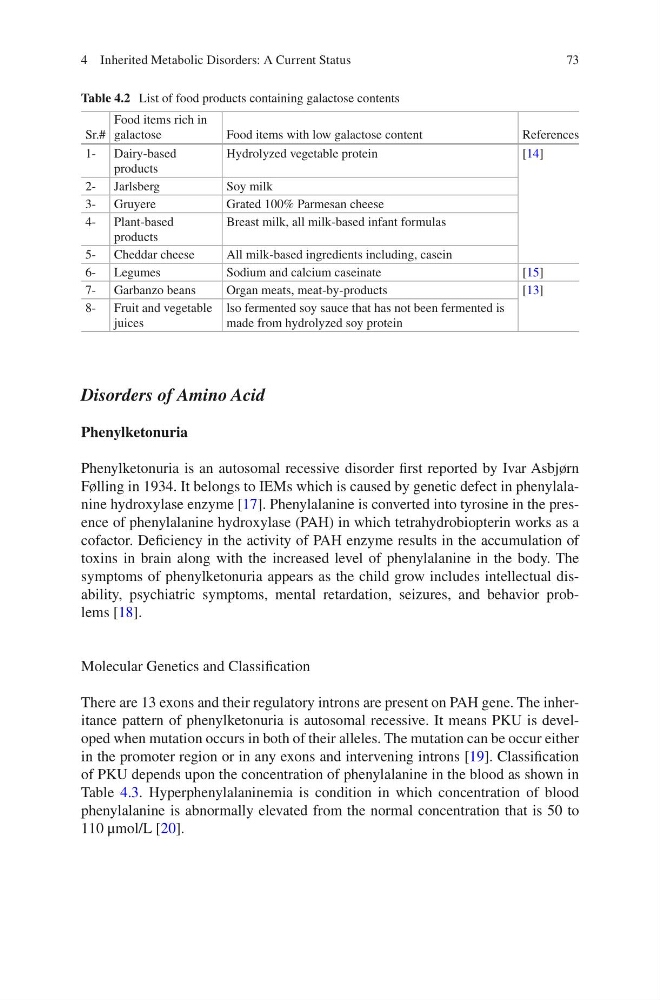
Table 4.2 List of food products containing galactose contents
Sr.#
Food items rich in
galactose
Food items with low galactose content
References
1- Dairy-based
products
Hydrolyzed vegetable protein
[14]
2- Jarlsberg
Soy milk
3- Gruyere
Grated 100% Parmesan cheese
4- Plant-based
products
Breast milk, all milk-based infant formulas
5- Cheddar cheese
All milk-based ingredients including, casein
6- Legumes
Sodium and calcium caseinate
[15]
7- Garbanzo beans
Organ meats, meat-by-products
[13]
8- Fruit and vegetable
juices
lso fermented soy sauce that has not been fermented is
made from hydrolyzed soy protein
4 Inherited Metabolic Disorders: A Current Status
Disorders of Amino Acid
Phenylketonuria
Phenylketonuria is an autosomal recessive disorder first reported by Ivar Asbjørn
Følling in 1934. It belongs to IEMs which is caused by genetic defect in phenylalanine hydroxylase enzyme [17]. Phenylalanine is converted into tyrosine in the presence of phenylalanine hydroxylase (PAH) in which tetrahydrobiopterin works as a
cofactor. Deficiency in the activity of PAH enzyme results in the accumulation of
toxins in brain along with the increased level of phenylalanine in the body. The
symptoms of phenylketonuria appears as the child grow includes intellectual disability, psychiatric symptoms, mental retardation, seizures, and behavior problems [18].
Molecular Genetics and Classification
There are 13 exons and their regulatory introns are present on PAH gene. The inheritance pattern of phenylketonuria is autosomal recessive. It means PKU is developed when mutation occurs in both of their alleles. The mutation can be occur either
in the promoter region or in any exons and intervening introns [19]. Classification
of PKU depends upon the concentration of phenylalanine in the blood as shown in
Table 4.3. Hyperphenylalaninemia is condition in which concentration of blood
phenylalanine is abnormally elevated from the normal concentration that is 50 to
110 μmol/L [20].
Table 4.2 List of food products containing galactose contents
Sr.#
Food items rich in
galactose
Food items with low galactose content
References
1- Dairy-based
products
Hydrolyzed vegetable protein
[14]
2- Jarlsberg
Soy milk
3- Gruyere
Grated 100% Parmesan cheese
4- Plant-based
products
Breast milk, all milk-based infant formulas
5- Cheddar cheese
All milk-based ingredients including, casein
6- Legumes
Sodium and calcium caseinate
[15]
7- Garbanzo beans
Organ meats, meat-by-products
[13]
8- Fruit and vegetable
juices
lso fermented soy sauce that has not been fermented is
made from hydrolyzed soy protein
4 Inherited Metabolic Disorders: A Current Status