

448
Cellular and Molecular Mechanisms of Fasting
1. Activation of adaptive cellular stress response signaling pathways that enhance
mitochondrial health
2. DNA rehabilitation and autophagy
3. Periodic fasting also supports stem cell-based transformation
4. Averting and handling main aging disorders
5. Enhanced cellular stress resistance [11]
Cellular and molecular benefits of intermittent fasting have a positive impact on
blood vessels, brain and cardiac cells which results in extended life span
(Fig. 26.5) [12].
Mechanism of Fasting
When fasting, the body is allowed to cleanse itself and reach its optimal function
levels (Fig. 26.6).
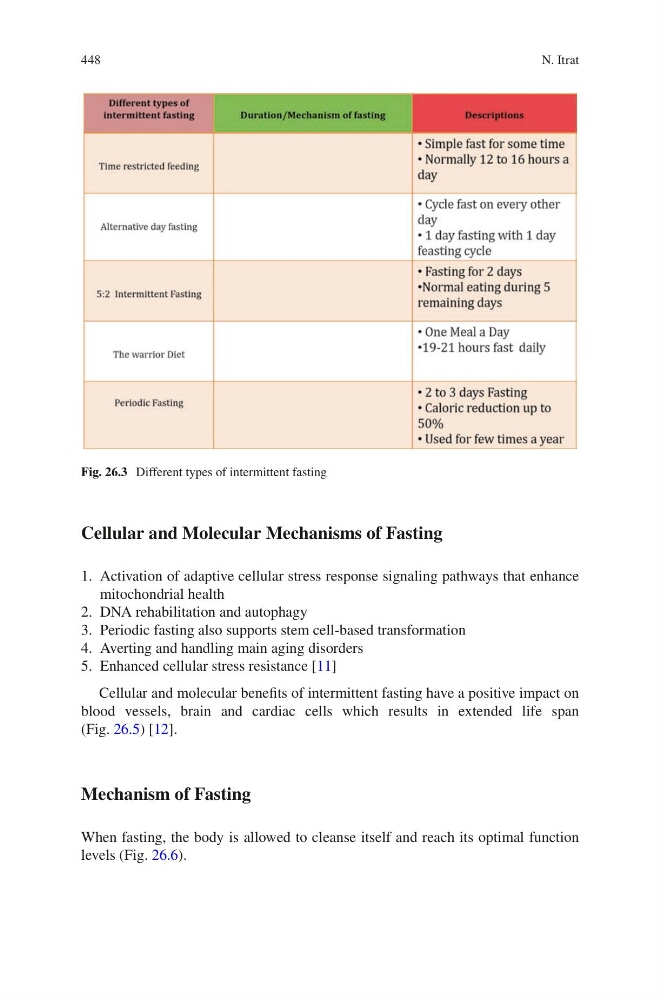
Fig. 26.3 Different types of intermittent fasting
N. Itrat
Cellular and Molecular Mechanisms of Fasting
1. Activation of adaptive cellular stress response signaling pathways that enhance
mitochondrial health
2. DNA rehabilitation and autophagy
3. Periodic fasting also supports stem cell-based transformation
4. Averting and handling main aging disorders
5. Enhanced cellular stress resistance [11]
Cellular and molecular benefits of intermittent fasting have a positive impact on
blood vessels, brain and cardiac cells which results in extended life span
(Fig. 26.5) [12].
Mechanism of Fasting
When fasting, the body is allowed to cleanse itself and reach its optimal function
levels (Fig. 26.6).
Fig. 26.3 Different types of intermittent fasting
N. Itrat