

289
Pesticides such as paraquat mostly used in agricultural areas interferes with electron transport chain of photosystem thereby inducing mitochondrial toxicity. In
cytosolic compartments and plasma membrane, paraquat acts as redox cycling compound that is initiated by NADPH oxidase, nitric oxide synthase, and NADPHcytochrome P450 reductase. The reduction of paraquat into PQ˙ + is catalyzed by
NADPH-cytochrome P450 reductase that leads to generation of O 2 ˙
−
that takes part
in oxidation and reduction cycle. All NADPH-dependent enzymes that take part in
metabolism of paraquat also affect glutathione disulfide recycling to GSH. Just like
to permethrin, paraquat also causes changes in expression of Bcl-2 and Bax by
releasing cytochrome c into cytosol [118].
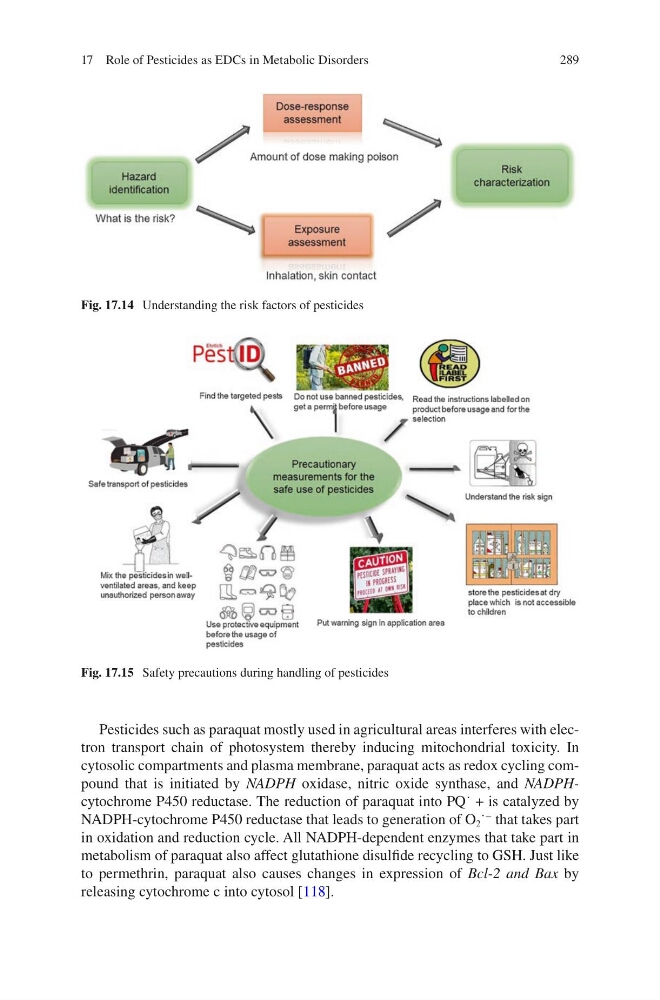
Fig. 17.14 Understanding the risk factors of pesticides
Fig. 17.15 Safety precautions during handling of pesticides
17 Role of Pesticides as EDCs in Metabolic Disorders
Pesticides such as paraquat mostly used in agricultural areas interferes with electron transport chain of photosystem thereby inducing mitochondrial toxicity. In
cytosolic compartments and plasma membrane, paraquat acts as redox cycling compound that is initiated by NADPH oxidase, nitric oxide synthase, and NADPHcytochrome P450 reductase. The reduction of paraquat into PQ˙ + is catalyzed by
NADPH-cytochrome P450 reductase that leads to generation of O 2 ˙
−
that takes part
in oxidation and reduction cycle. All NADPH-dependent enzymes that take part in
metabolism of paraquat also affect glutathione disulfide recycling to GSH. Just like
to permethrin, paraquat also causes changes in expression of Bcl-2 and Bax by
releasing cytochrome c into cytosol [118].
Fig. 17.14 Understanding the risk factors of pesticides
Fig. 17.15 Safety precautions during handling of pesticides
17 Role of Pesticides as EDCs in Metabolic Disorders