

285
well as endocrine function of adipocytes in females dramatically differs from males,
e.g., females have high concentration of adiponectin and leptin [101]. Literature
reported that type, dose, time, and metabolic challenge of tested MDCs could feminize or masculinize the energy balancing traits. A significant change in sex dependent body weight has been reported in the experimental animals with exposure of
very small concentration of DES or BPA in both pre-natal or post-natal stages. Both,
DES and BPA increase the body weight of female rodents without affecting the
male rodents [102]. It has further reported that BPA hyper masculinized both male
and female mice. Mediobasal hypothalamus (MBH) and pre-optic area (POA) are
robustly affected regions of the brain. These results indicated that the brain is the
most studied and very sensitive organ for BPA actions [101].
In short, MDCs exposure interferes with normal sexual distinctions of the brain
that may reverse or eliminate, diminish or widen the behavioral differences. These
behavioral differences may alter metabolic processes. Sexually dimorphic regions
of the brain are hypothalamus, cerebral cortex, and hippocampus and these regions
are very sensitive to the both pre-natal and post-natal exposure of MDCs. The
effects of these MDCs can be observed before the development of gonadal hormones during puberty. Thence, the outcomes of limited research incited the scientists for detail working to determine the sex differences with the exposure of MDCs.
Effects on Energy Homeostasis
In addition to the effects of pesticide exposures on production and action of insulin, these pesticides as MDCs also influenced intermediary metabolic pathways,
e.g., TCDD in 3T3-F44a cell lines reduced the lipoprotein lipase expression via
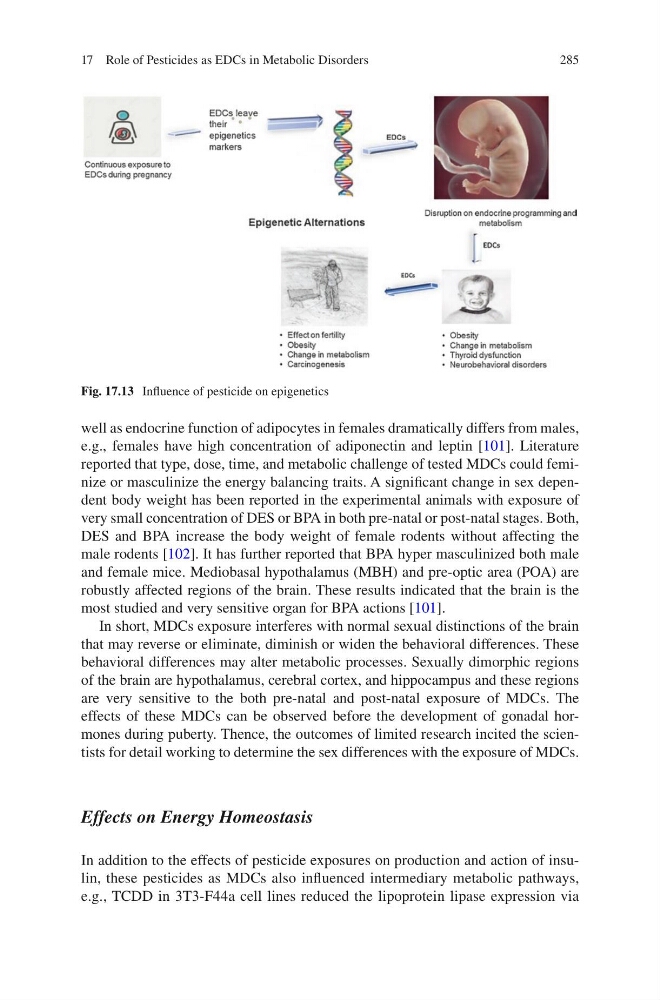
Fig. 17.13 Influence of pesticide on epigenetics
17 Role of Pesticides as EDCs in Metabolic Disorders
well as endocrine function of adipocytes in females dramatically differs from males,
e.g., females have high concentration of adiponectin and leptin [101]. Literature
reported that type, dose, time, and metabolic challenge of tested MDCs could feminize or masculinize the energy balancing traits. A significant change in sex dependent body weight has been reported in the experimental animals with exposure of
very small concentration of DES or BPA in both pre-natal or post-natal stages. Both,
DES and BPA increase the body weight of female rodents without affecting the
male rodents [102]. It has further reported that BPA hyper masculinized both male
and female mice. Mediobasal hypothalamus (MBH) and pre-optic area (POA) are
robustly affected regions of the brain. These results indicated that the brain is the
most studied and very sensitive organ for BPA actions [101].
In short, MDCs exposure interferes with normal sexual distinctions of the brain
that may reverse or eliminate, diminish or widen the behavioral differences. These
behavioral differences may alter metabolic processes. Sexually dimorphic regions
of the brain are hypothalamus, cerebral cortex, and hippocampus and these regions
are very sensitive to the both pre-natal and post-natal exposure of MDCs. The
effects of these MDCs can be observed before the development of gonadal hormones during puberty. Thence, the outcomes of limited research incited the scientists for detail working to determine the sex differences with the exposure of MDCs.
Effects on Energy Homeostasis
In addition to the effects of pesticide exposures on production and action of insulin, these pesticides as MDCs also influenced intermediary metabolic pathways,
e.g., TCDD in 3T3-F44a cell lines reduced the lipoprotein lipase expression via
Fig. 17.13 Influence of pesticide on epigenetics
17 Role of Pesticides as EDCs in Metabolic Disorders