

211
Lead
Sources and Exposure
Lead is a toxic metal, which is widely used and responsible for contamination in the
environment and many health-related problems. The common sources of lead are
found in the environment and mainly in food and smoking, drinking water, industrial process, and domestic sources [56]. The common route of exposure to lead is
inhalation and ingestion. Inhalation of lead particles may be due to the burning of
lead-containing materials. The lead may produce during the process of smelting,
deterioration of lead-coated paint and by using gasoline loaded with lead. The
ingestion of lead may take place due to lead-contaminated soil, water, and food
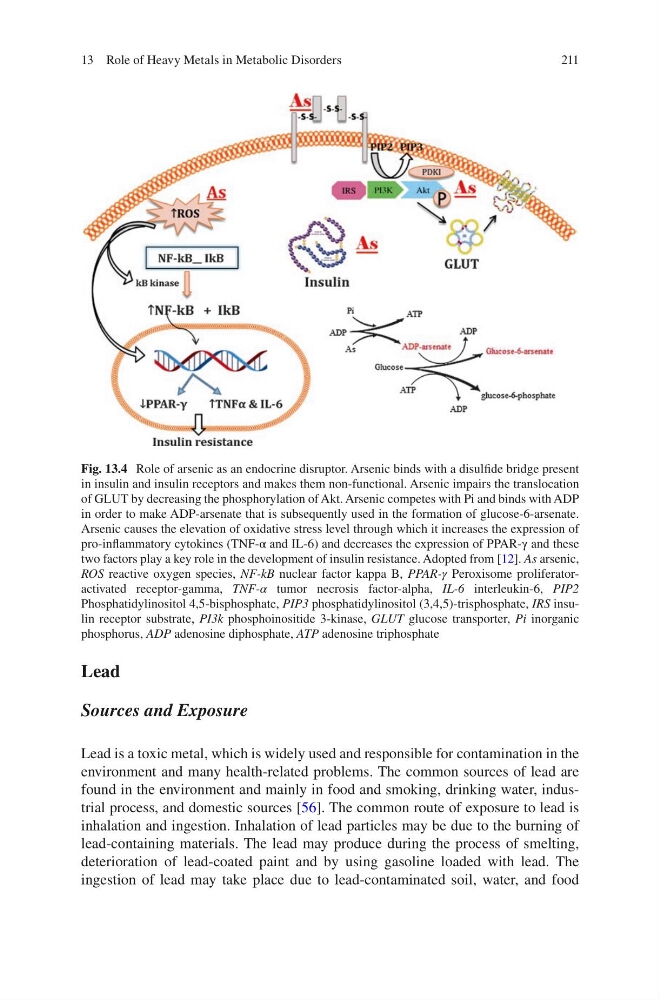
Fig. 13.4 Role of arsenic as an endocrine disruptor. Arsenic binds with a disulfide bridge present
in insulin and insulin receptors and makes them non-functional. Arsenic impairs the translocation
of GLUT by decreasing the phosphorylation of Akt. Arsenic competes with Pi and binds with ADP
in order to make ADP-arsenate that is subsequently used in the formation of glucose-6-arsenate.
Arsenic causes the elevation of oxidative stress level through which it increases the expression of
pro-inflammatory cytokines (TNF-α and IL-6) and decreases the expression of PPAR-γ and these
two factors play a key role in the development of insulin resistance. Adopted from [12]. As arsenic,
ROS reactive oxygen species, NF-kB nuclear factor kappa B, PPAR-γ Peroxisome proliferatoractivated receptor-gamma, TNF-α tumor necrosis factor-alpha, IL-6 interleukin-6, PIP2
Phosphatidylinositol 4,5-bisphosphate, PIP3 phosphatidylinositol (3,4,5)-trisphosphate, IRS insulin receptor substrate, PI3k phosphoinositide 3-kinase, GLUT glucose transporter, Pi inorganic
phosphorus, ADP adenosine diphosphate, ATP adenosine triphosphate
13 Role of Heavy Metals in Metabolic Disorders
Lead
Sources and Exposure
Lead is a toxic metal, which is widely used and responsible for contamination in the
environment and many health-related problems. The common sources of lead are
found in the environment and mainly in food and smoking, drinking water, industrial process, and domestic sources [56]. The common route of exposure to lead is
inhalation and ingestion. Inhalation of lead particles may be due to the burning of
lead-containing materials. The lead may produce during the process of smelting,
deterioration of lead-coated paint and by using gasoline loaded with lead. The
ingestion of lead may take place due to lead-contaminated soil, water, and food
Fig. 13.4 Role of arsenic as an endocrine disruptor. Arsenic binds with a disulfide bridge present
in insulin and insulin receptors and makes them non-functional. Arsenic impairs the translocation
of GLUT by decreasing the phosphorylation of Akt. Arsenic competes with Pi and binds with ADP
in order to make ADP-arsenate that is subsequently used in the formation of glucose-6-arsenate.
Arsenic causes the elevation of oxidative stress level through which it increases the expression of
pro-inflammatory cytokines (TNF-α and IL-6) and decreases the expression of PPAR-γ and these
two factors play a key role in the development of insulin resistance. Adopted from [12]. As arsenic,
ROS reactive oxygen species, NF-kB nuclear factor kappa B, PPAR-γ Peroxisome proliferatoractivated receptor-gamma, TNF-α tumor necrosis factor-alpha, IL-6 interleukin-6, PIP2
Phosphatidylinositol 4,5-bisphosphate, PIP3 phosphatidylinositol (3,4,5)-trisphosphate, IRS insulin receptor substrate, PI3k phosphoinositide 3-kinase, GLUT glucose transporter, Pi inorganic
phosphorus, ADP adenosine diphosphate, ATP adenosine triphosphate
13 Role of Heavy Metals in Metabolic Disorders