

(2–5 cm) black A horizon, a thick (to 50 cm) gray albic
(E) horizon, a strongly tongued, dark reddish brown Bh
horizon, and brown Bs horizons to 90 cm.
The Rubicon soil (Fig. 5.6c) is derived from sandy lacustrine and outwash deposits and has a black A horizon
from 0 to 1 in. (0–2.5 cm), a light brownish gray E horizon
from 1 to 6 in. (2.5–15 cm), brown and dark yellowish
brown Bs (spodic) horizons from 6 to 21 in. (15–53 cm),
and a light yellowish brown C horizon from 21 to 48 in. (53–
122 cm). The Manistee soil series (Fig. 5.6d) is an Alfic
Haplorthods developed in sandy over clayey lacustrine
deposits. The profile is bisequal; the upper sequum has an
Ap, E, and Bs horizons to 8, 11, and 28 in. (20, 27, and
71 cm), respectively; the lower sequum has an E’ and a 2Bt
horizon developed in the reddish brown clayey materials.
The Michigamme soil series (Fig. 5.6e) is a Fragic
Haplorthods derived from loamy sediment over loamy till
with metamorphic bedrock at 32 in. (81 cm). The profile is
bisequal; the upper sequum contains a thin grayish E horizon
or a series of Bhs and Bs horizons to 25 in. (64 cm). The
lower sequum has a weakly developed 2E/Bx, with roots
concentrated on top of the fragipan.
The Pipestone, Au Gres, Kinross, Wainola, Charlevoix,
Ingalls, Iosco, and Zeba soil series are commonly occurring
Endoaquods in the GLCZ. The Au Gres (Typic) and Iosco
(Argic) are shown in Fig. 5.7. The Au Gres soil series
(Fig. 5.7a) is a Typic Endoaquods derived from sandy lacustrine deposits, with a black A horizon to 3 in. (8 cm), a
grayish brown E horizon to 14 in. (36 cm), and a strong
brown spodic (Bhs, Bs) horizon to 30 in. (76 cm). Prominent
yellowish red masses of oxidized Fe appear as blotches in
the photo. The Iosco soil series (Fig. 5.7b) is an Agric
Endoaquods from sandy over loamy lacustrine deposits. The
Iosco is bisequal; the upper sequum contains a dark grayish
brown A horizon, a light brownish gray E horizon, and dark
reddish brown Bhs and Bs2 to 24 in. (64 cm); the lower
sequum has a pale brown E’ horizon underlain by a brown
argillic (2Bt) horizon.
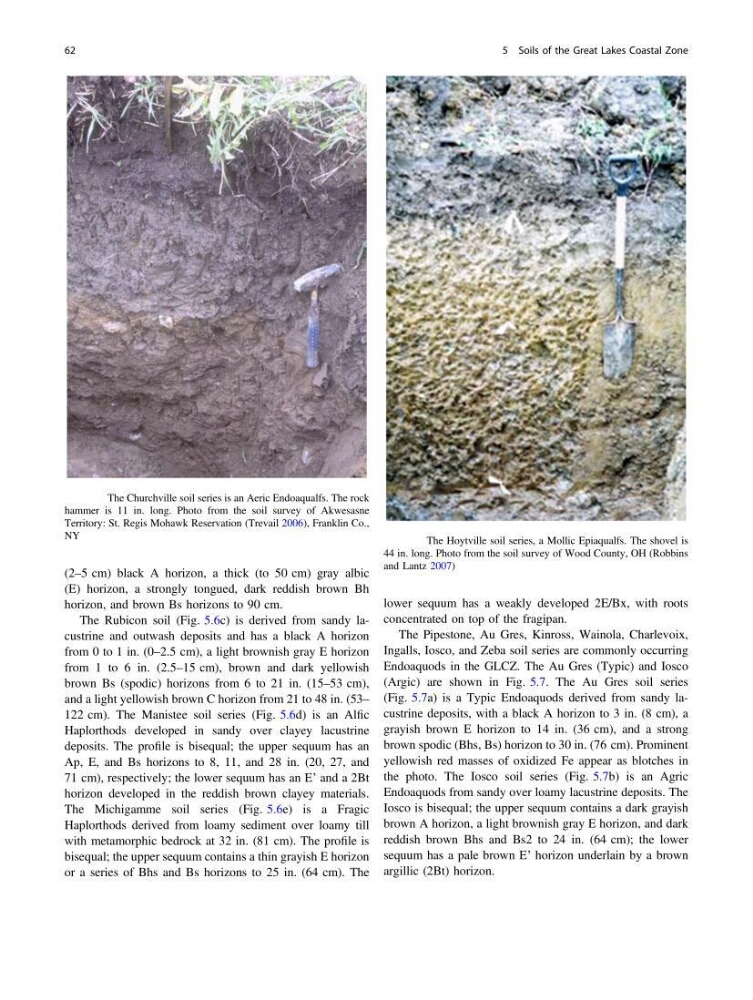
Fig. 5.3 The Churchville soil series is an Aeric Endoaqualfs. The rock
hammer is 11 in. long. Photo from the soil survey of Akwesasne
Territory: St. Regis Mohawk Reservation (Trevail 2006), Franklin Co.,
NY
Fig. 5.4 The Hoytville soil series, a Mollic Epiaqualfs. The shovel is
44 in. long. Photo from the soil survey of Wood County, OH (Robbins
and Lantz 2007)
62
5 Soils of the Great Lakes Coastal Zone
(E) horizon, a strongly tongued, dark reddish brown Bh
horizon, and brown Bs horizons to 90 cm.
The Rubicon soil (Fig. 5.6c) is derived from sandy lacustrine and outwash deposits and has a black A horizon
from 0 to 1 in. (0–2.5 cm), a light brownish gray E horizon
from 1 to 6 in. (2.5–15 cm), brown and dark yellowish
brown Bs (spodic) horizons from 6 to 21 in. (15–53 cm),
and a light yellowish brown C horizon from 21 to 48 in. (53–
122 cm). The Manistee soil series (Fig. 5.6d) is an Alfic
Haplorthods developed in sandy over clayey lacustrine
deposits. The profile is bisequal; the upper sequum has an
Ap, E, and Bs horizons to 8, 11, and 28 in. (20, 27, and
71 cm), respectively; the lower sequum has an E’ and a 2Bt
horizon developed in the reddish brown clayey materials.
The Michigamme soil series (Fig. 5.6e) is a Fragic
Haplorthods derived from loamy sediment over loamy till
with metamorphic bedrock at 32 in. (81 cm). The profile is
bisequal; the upper sequum contains a thin grayish E horizon
or a series of Bhs and Bs horizons to 25 in. (64 cm). The
lower sequum has a weakly developed 2E/Bx, with roots
concentrated on top of the fragipan.
The Pipestone, Au Gres, Kinross, Wainola, Charlevoix,
Ingalls, Iosco, and Zeba soil series are commonly occurring
Endoaquods in the GLCZ. The Au Gres (Typic) and Iosco
(Argic) are shown in Fig. 5.7. The Au Gres soil series
(Fig. 5.7a) is a Typic Endoaquods derived from sandy lacustrine deposits, with a black A horizon to 3 in. (8 cm), a
grayish brown E horizon to 14 in. (36 cm), and a strong
brown spodic (Bhs, Bs) horizon to 30 in. (76 cm). Prominent
yellowish red masses of oxidized Fe appear as blotches in
the photo. The Iosco soil series (Fig. 5.7b) is an Agric
Endoaquods from sandy over loamy lacustrine deposits. The
Iosco is bisequal; the upper sequum contains a dark grayish
brown A horizon, a light brownish gray E horizon, and dark
reddish brown Bhs and Bs2 to 24 in. (64 cm); the lower
sequum has a pale brown E’ horizon underlain by a brown
argillic (2Bt) horizon.
Fig. 5.3 The Churchville soil series is an Aeric Endoaqualfs. The rock
hammer is 11 in. long. Photo from the soil survey of Akwesasne
Territory: St. Regis Mohawk Reservation (Trevail 2006), Franklin Co.,
NY
Fig. 5.4 The Hoytville soil series, a Mollic Epiaqualfs. The shovel is
44 in. long. Photo from the soil survey of Wood County, OH (Robbins
and Lantz 2007)
62
5 Soils of the Great Lakes Coastal Zone