

The Rousseau has a black A horizon to 1 in., a pinkish gray
E horizon to 7 in., and a dark reddish brown to yellowish red
spodic horizon to 25.
The Markey soil series is a Terric Haplosaprists derived
from organic sediments in depression on lake plains
(Fig. 7.5). The Markey soil has 32 in. of organic materials
over gleyed C. The Namur and Carbondale soil series are
shown in Chap. 5 (Fig. 5.21B and 5.22, respectively). The
Emmet soil series is an Inceptic Hapludalfs derived from
sandy loam till on drumlins and till plains (Fig. 7.6). The
Emmet soils is bisequal and the profile shown in Fig. 7.6 has
a very thin, grayish brown Ap horizon over a brown Bw, a
grayish brown E′, and a brown Bt. The Cunard soil series is
a Typic Hapludalfs originating from loamy till over limestone bedrock on a glacial bench (Fig. 7.7). The Shawano
soil series is a Typic Udipsamments derived from eolian or
outwash sand on a lake plain (Fig. 7.8).
The third segment, part of MLRA 94B, Michigan Eastern
Upper Peninsula Sandy Drift region, extends from Escanaba
across the north shore of Lake Michigan to Mackinaw City.
This segment contains primarily sandy lacustrine deposits
with extensive beach ridges. Many of the soils have
restricted drainage. The sandy lacustrine deposits contain
mainly Endoaquods (Au Gres and Wainola soil series) and
Psammaquents (Deford). Haplosaprists (Carbondale,
Fig. 7.1 Key segments of the Lake Michigan Coastal Zone
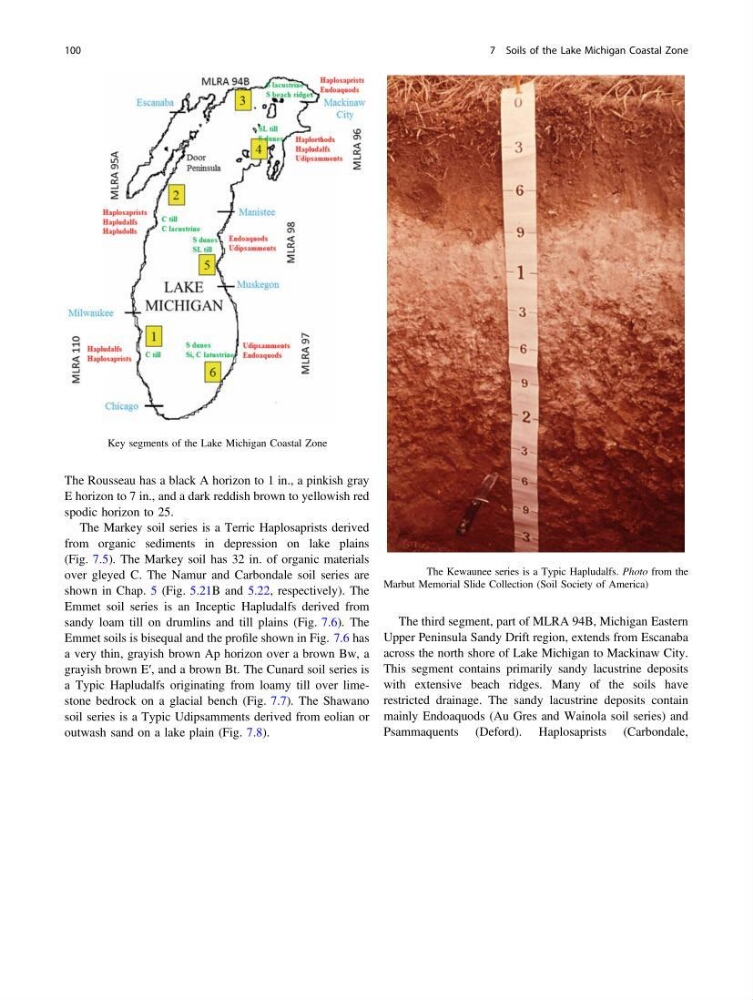
Fig. 7.2 The Kewaunee series is a Typic Hapludalfs. Photo from the
Marbut Memorial Slide Collection (Soil Society of America)
100
7 Soils of the Lake Michigan Coastal Zone
E horizon to 7 in., and a dark reddish brown to yellowish red
spodic horizon to 25.
The Markey soil series is a Terric Haplosaprists derived
from organic sediments in depression on lake plains
(Fig. 7.5). The Markey soil has 32 in. of organic materials
over gleyed C. The Namur and Carbondale soil series are
shown in Chap. 5 (Fig. 5.21B and 5.22, respectively). The
Emmet soil series is an Inceptic Hapludalfs derived from
sandy loam till on drumlins and till plains (Fig. 7.6). The
Emmet soils is bisequal and the profile shown in Fig. 7.6 has
a very thin, grayish brown Ap horizon over a brown Bw, a
grayish brown E′, and a brown Bt. The Cunard soil series is
a Typic Hapludalfs originating from loamy till over limestone bedrock on a glacial bench (Fig. 7.7). The Shawano
soil series is a Typic Udipsamments derived from eolian or
outwash sand on a lake plain (Fig. 7.8).
The third segment, part of MLRA 94B, Michigan Eastern
Upper Peninsula Sandy Drift region, extends from Escanaba
across the north shore of Lake Michigan to Mackinaw City.
This segment contains primarily sandy lacustrine deposits
with extensive beach ridges. Many of the soils have
restricted drainage. The sandy lacustrine deposits contain
mainly Endoaquods (Au Gres and Wainola soil series) and
Psammaquents (Deford). Haplosaprists (Carbondale,
Fig. 7.1 Key segments of the Lake Michigan Coastal Zone
Fig. 7.2 The Kewaunee series is a Typic Hapludalfs. Photo from the
Marbut Memorial Slide Collection (Soil Society of America)
100
7 Soils of the Lake Michigan Coastal Zone