

90
S. H. Sadeghi and E. Sharifi Moghadam
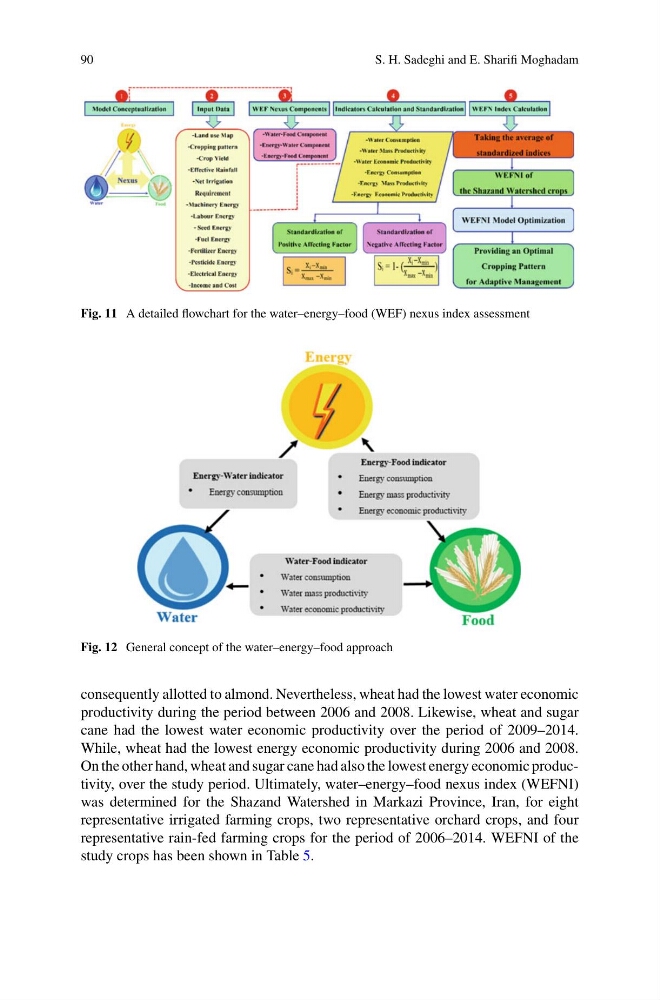
Fig. 11 A detailed flowchart for the water–energy–food (WEF) nexus index assessment
Fig. 12 General concept of the water–energy–food approach
consequently allotted to almond. Nevertheless, wheat had the lowest water economic
productivity during the period between 2006 and 2008. Likewise, wheat and sugar
cane had the lowest water economic productivity over the period of 2009–2014.
While, wheat had the lowest energy economic productivity during 2006 and 2008.
On the other hand, wheat and sugar cane had also the lowest energy economic productivity, over the study period. Ultimately, water–energy–food nexus index (WEFNI)
was determined for the Shazand Watershed in Markazi Province, Iran, for eight
representative irrigated farming crops, two representative orchard crops, and four
representative rain-fed farming crops for the period of 2006–2014. WEFNI of the
study crops has been shown in Table 5.
S. H. Sadeghi and E. Sharifi Moghadam
Fig. 11 A detailed flowchart for the water–energy–food (WEF) nexus index assessment
Fig. 12 General concept of the water–energy–food approach
consequently allotted to almond. Nevertheless, wheat had the lowest water economic
productivity during the period between 2006 and 2008. Likewise, wheat and sugar
cane had the lowest water economic productivity over the period of 2009–2014.
While, wheat had the lowest energy economic productivity during 2006 and 2008.
On the other hand, wheat and sugar cane had also the lowest energy economic productivity, over the study period. Ultimately, water–energy–food nexus index (WEFNI)
was determined for the Shazand Watershed in Markazi Province, Iran, for eight
representative irrigated farming crops, two representative orchard crops, and four
representative rain-fed farming crops for the period of 2006–2014. WEFNI of the
study crops has been shown in Table 5.