

42
S. Liphadzi et al.
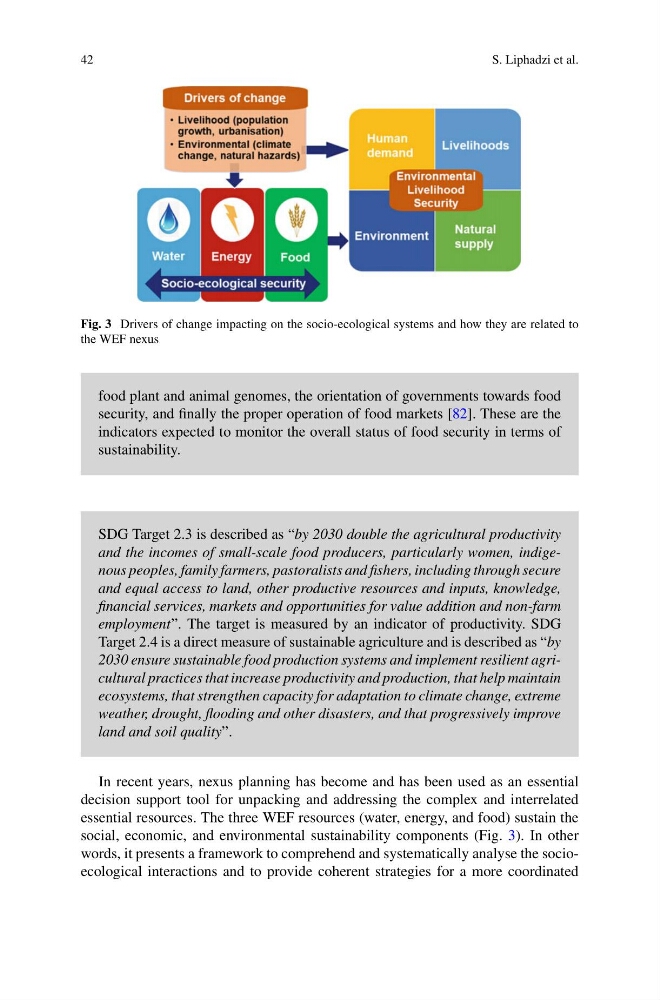
Fig. 3 Drivers of change impacting on the socio-ecological systems and how they are related to
the WEF nexus
food plant and animal genomes, the orientation of governments towards food
security, and finally the proper operation of food markets [82]. These are the
indicators expected to monitor the overall status of food security in terms of
sustainability.
SDG Target 2.3 is described as “by 2030 double the agricultural productivity
and the incomes of small-scale food producers, particularly women, indigenous peoples, family farmers, pastoralists and fishers, including through secure
and equal access to land, other productive resources and inputs, knowledge,
financial services, markets and opportunities for value addition and non-farm
employment”. The target is measured by an indicator of productivity. SDG
Target 2.4 is a direct measure of sustainable agriculture and is described as “by
2030 ensure sustainable food production systems and implement resilient agricultural practices that increase productivity and production, that help maintain
ecosystems, that strengthen capacity for adaptation to climate change, extreme
weather, drought, flooding and other disasters, and that progressively improve
land and soil quality”.
In recent years, nexus planning has become and has been used as an essential
decision support tool for unpacking and addressing the complex and interrelated
essential resources. The three WEF resources (water, energy, and food) sustain the
social, economic, and environmental sustainability components (Fig. 3). In other
words, it presents a framework to comprehend and systematically analyse the socioecological interactions and to provide coherent strategies for a more coordinated
S. Liphadzi et al.
Fig. 3 Drivers of change impacting on the socio-ecological systems and how they are related to
the WEF nexus
food plant and animal genomes, the orientation of governments towards food
security, and finally the proper operation of food markets [82]. These are the
indicators expected to monitor the overall status of food security in terms of
sustainability.
SDG Target 2.3 is described as “by 2030 double the agricultural productivity
and the incomes of small-scale food producers, particularly women, indigenous peoples, family farmers, pastoralists and fishers, including through secure
and equal access to land, other productive resources and inputs, knowledge,
financial services, markets and opportunities for value addition and non-farm
employment”. The target is measured by an indicator of productivity. SDG
Target 2.4 is a direct measure of sustainable agriculture and is described as “by
2030 ensure sustainable food production systems and implement resilient agricultural practices that increase productivity and production, that help maintain
ecosystems, that strengthen capacity for adaptation to climate change, extreme
weather, drought, flooding and other disasters, and that progressively improve
land and soil quality”.
In recent years, nexus planning has become and has been used as an essential
decision support tool for unpacking and addressing the complex and interrelated
essential resources. The three WEF resources (water, energy, and food) sustain the
social, economic, and environmental sustainability components (Fig. 3). In other
words, it presents a framework to comprehend and systematically analyse the socioecological interactions and to provide coherent strategies for a more coordinated