

61
5.3 Connection to Country: Historical Context
Along the Australian coast, as well as in the harsh interior of this vast continent, for centuries
Aboriginal people have been confronted with environmental, climate as well as annual seasonal
weather variations. People living in settlements withstood harsh ecological, climate and geological
changes; they believed that the natural phenomena of Country
3
are integrally connected with their
spiritual and physical wellbeing (Roberts, 1975). ‘Country’ is not only the physical landscape, but the
term also embodies the tangible and intangible; it includes everything in time and space, the before,
the now and after, below, here, the above and beyond, the realms of both day and night (Johnson &
Jones, 2014). Changes in natural phenomena meant changes in a holistic context; changes to Country
meant changes to the Aboriginal people themselves. Many of these changes have been captured in the
cultural traditions of the people and the knowledge that has been transferred from generation to generation through Dreaming stories. Dreaming stories recount the forming of the main landscape
Country and the coastal landscape Sea Country. The following example of one of these spiritual
reflections of a Dreamtime story indicates the closeness to land and the importance of the changing
environment. It relates the story of the creation of Punjil (also written Bundjil, Bungil, or Bunjil) and
Pallian (Fig. 6.3), and the interconnection of nature and people:
Punjil is the maker of earth, trees, animals, man and woman. Punjil had a wife named Boi Boi, but he never saw
her face. She bore him two children, one a son named Binbeal and the other a daughter named Kara-karook. To
Binbeal is committed the sovereignty of the heaven and to Kara-karook the incidental occurrences on earth;
while great Punjil stalks like a big gentleman in the clouds, on the earth, and always carrying a big sword.
Pallian, brother of Punjil, made all seas, rivers, creeks and waters, also all the fish in the oceans, seas and rivers.
He governs the waters, was always in the waters, walking, bathing, and going over the seas. One day when our
3 Country is a term used by the Aboriginal people of Australia to refer to the land to which they belong and the place of
their dreaming (Smyth, 2004).
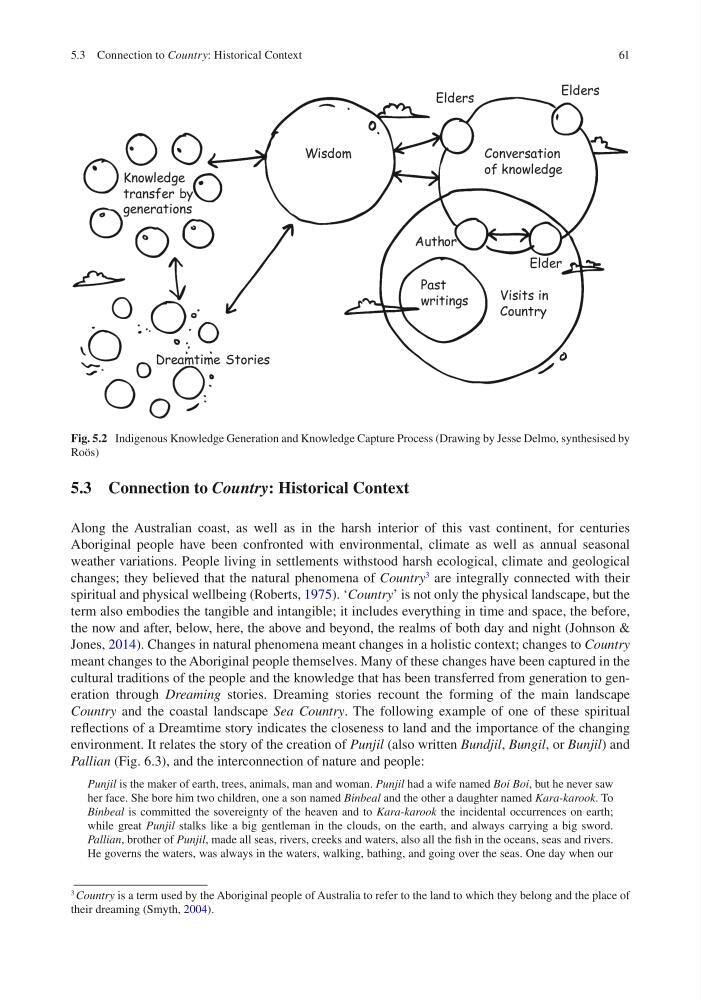
Fig. 5.2 Indigenous Knowledge Generation and Knowledge Capture Process (Drawing by Jesse Delmo, synthesised by
Roös)
5.3 Connection to Country: Historical Context
5.3 Connection to Country: Historical Context
Along the Australian coast, as well as in the harsh interior of this vast continent, for centuries
Aboriginal people have been confronted with environmental, climate as well as annual seasonal
weather variations. People living in settlements withstood harsh ecological, climate and geological
changes; they believed that the natural phenomena of Country
3
are integrally connected with their
spiritual and physical wellbeing (Roberts, 1975). ‘Country’ is not only the physical landscape, but the
term also embodies the tangible and intangible; it includes everything in time and space, the before,
the now and after, below, here, the above and beyond, the realms of both day and night (Johnson &
Jones, 2014). Changes in natural phenomena meant changes in a holistic context; changes to Country
meant changes to the Aboriginal people themselves. Many of these changes have been captured in the
cultural traditions of the people and the knowledge that has been transferred from generation to generation through Dreaming stories. Dreaming stories recount the forming of the main landscape
Country and the coastal landscape Sea Country. The following example of one of these spiritual
reflections of a Dreamtime story indicates the closeness to land and the importance of the changing
environment. It relates the story of the creation of Punjil (also written Bundjil, Bungil, or Bunjil) and
Pallian (Fig. 6.3), and the interconnection of nature and people:
Punjil is the maker of earth, trees, animals, man and woman. Punjil had a wife named Boi Boi, but he never saw
her face. She bore him two children, one a son named Binbeal and the other a daughter named Kara-karook. To
Binbeal is committed the sovereignty of the heaven and to Kara-karook the incidental occurrences on earth;
while great Punjil stalks like a big gentleman in the clouds, on the earth, and always carrying a big sword.
Pallian, brother of Punjil, made all seas, rivers, creeks and waters, also all the fish in the oceans, seas and rivers.
He governs the waters, was always in the waters, walking, bathing, and going over the seas. One day when our
3 Country is a term used by the Aboriginal people of Australia to refer to the land to which they belong and the place of
their dreaming (Smyth, 2004).
Fig. 5.2 Indigenous Knowledge Generation and Knowledge Capture Process (Drawing by Jesse Delmo, synthesised by
Roös)
5.3 Connection to Country: Historical Context