

187
tectural, engineering, planning, ecology, biology, geology, hydrology, agricultural and social-cultural,
social- psychological sectors – would be required (Mang & Reed, 2012; Reed, 2007; Landry, 2006).
Even with extensive collaboration, it will be necessary to apply a deep understanding of the principles
of regenerative-adaptive patterns, nature’s morphological sequences, and the systems of ecology to
reach adaptive, resilient outcomes. I argue that only then perhaps will plans and designs based on this
‘architecture for life’, rooted in nature’s systems and the conclusive whole, transcend the metaphor
into a deeper form of regenerative- adaptive design for sustainable development – one that will be able
to function as a whole entity, continuously evolving to be resilient, becoming part of and supporting
the self-regulating mother earth, Gaia.
12.3 Opportunities for the Future
As noted, this book put in place the fundamentals for the further continuation of the regenerativeadaptive pattern language theory discourse and applications of regenerative-adaptive design. While
the philosophical basis of the theory appears to be a logical approach for the adaptation planning,
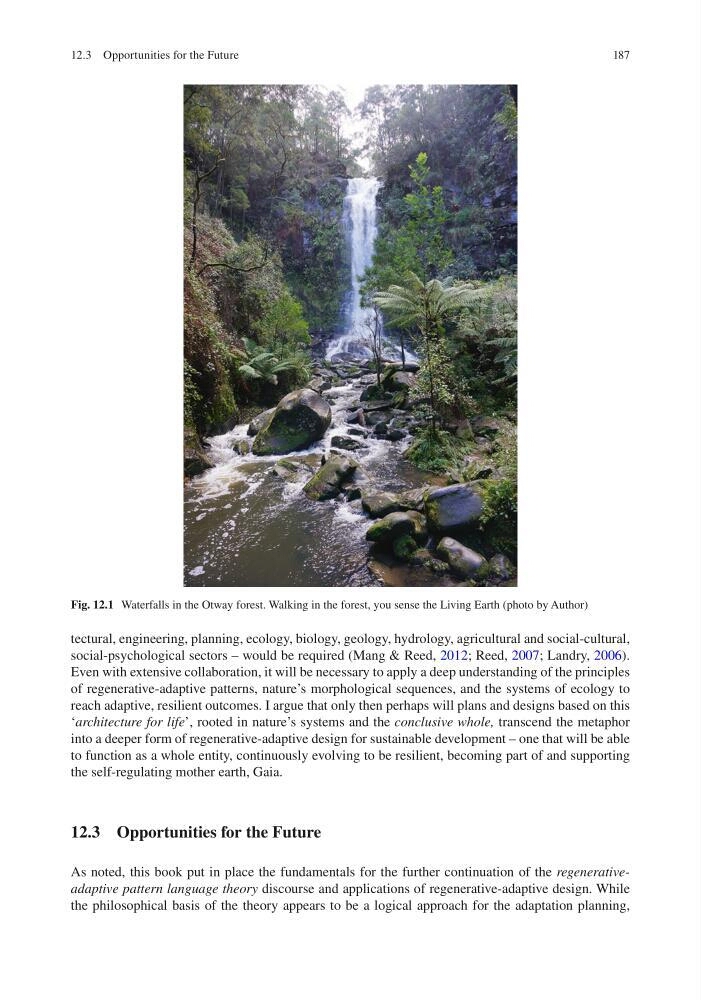
Fig. 12.1 Waterfalls in the Otway forest. Walking in the forest, you sense the Living Earth (photo by Author)
12.3 Opportunities for the Future
tectural, engineering, planning, ecology, biology, geology, hydrology, agricultural and social-cultural,
social- psychological sectors – would be required (Mang & Reed, 2012; Reed, 2007; Landry, 2006).
Even with extensive collaboration, it will be necessary to apply a deep understanding of the principles
of regenerative-adaptive patterns, nature’s morphological sequences, and the systems of ecology to
reach adaptive, resilient outcomes. I argue that only then perhaps will plans and designs based on this
‘architecture for life’, rooted in nature’s systems and the conclusive whole, transcend the metaphor
into a deeper form of regenerative- adaptive design for sustainable development – one that will be able
to function as a whole entity, continuously evolving to be resilient, becoming part of and supporting
the self-regulating mother earth, Gaia.
12.3 Opportunities for the Future
As noted, this book put in place the fundamentals for the further continuation of the regenerativeadaptive pattern language theory discourse and applications of regenerative-adaptive design. While
the philosophical basis of the theory appears to be a logical approach for the adaptation planning,
Fig. 12.1 Waterfalls in the Otway forest. Walking in the forest, you sense the Living Earth (photo by Author)
12.3 Opportunities for the Future