

123
In biology the step-by-step process is well analysed and understood in the context of the natural
processes, chemical composition, DNA structure and so forth, but the context of configurations and
form is less known (Alexander, 2004, p. 20). To deal with the similar step-by-step process in the context of the built environment and the natural environment in form-making, Alexander developed and
used 15 fundamental properties (Alexander, 2001–2005b, p. 32).
9.6 Fifteen Fundamental Properties
To explain the creation of geometry and form, 15 fundamental properties in nature can be identified,
and are always present. The 15 fundamental properties
3
occur in nature as well as in buildings, places
and situations that sustain the wholeness and life (Alexander, 2001–2005a, pp. 244–296):
3 The 15 fundamental properties are described and referred to in various publications of Alexander, starting in The
Nature of Order, Book 1, The Phenomenon of Life (2001-Alexander, 2005a) as the 15 fundamental properties (p. 143–
242), and the 15 properties in nature (pp. 244–296). In The Nature of Order, Book 2, The Process of Creating Life
(2001-Alexander, 2005b) as the structure-preserving transformations (pp. 65–84). In The Battle for the Life and Beauty
of the Earth (Alexander et al., 2012), the properties are referred to as the 15 geometric properties of wholeness (pp. 421–
430), and the 15 transformations (pp. 431–436).
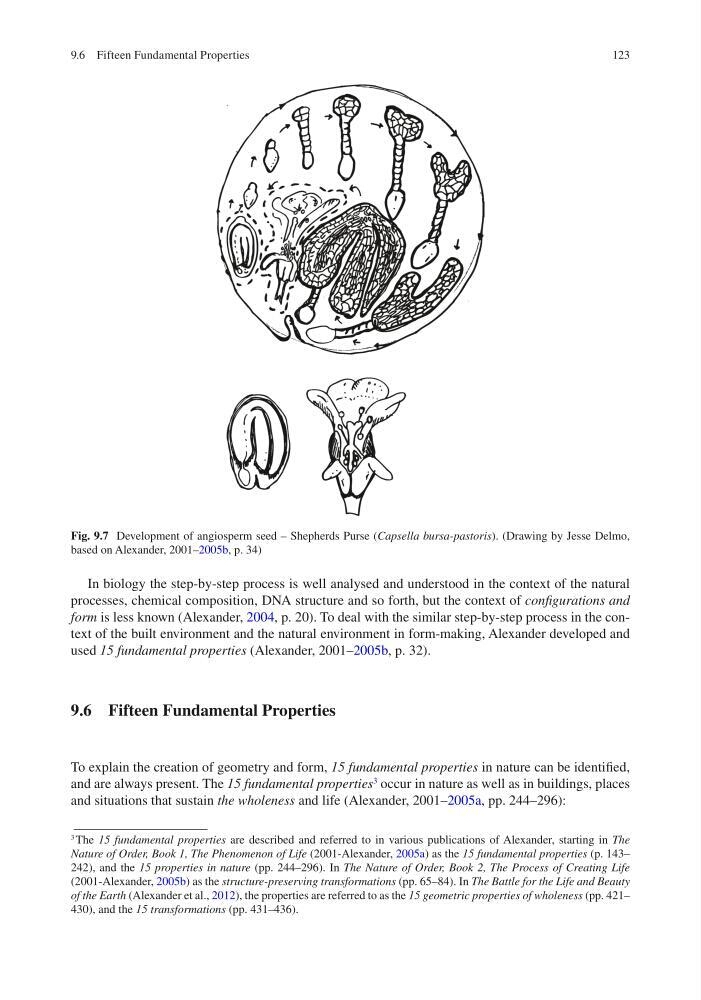
Fig. 9.7 Development of angiosperm seed – Shepherds Purse (Capsella bursa-pastoris). (Drawing by Jesse Delmo,
based on Alexander, 2001–2005b, p. 34)
9.6 Fifteen Fundamental Properties
In biology the step-by-step process is well analysed and understood in the context of the natural
processes, chemical composition, DNA structure and so forth, but the context of configurations and
form is less known (Alexander, 2004, p. 20). To deal with the similar step-by-step process in the context of the built environment and the natural environment in form-making, Alexander developed and
used 15 fundamental properties (Alexander, 2001–2005b, p. 32).
9.6 Fifteen Fundamental Properties
To explain the creation of geometry and form, 15 fundamental properties in nature can be identified,
and are always present. The 15 fundamental properties
3
occur in nature as well as in buildings, places
and situations that sustain the wholeness and life (Alexander, 2001–2005a, pp. 244–296):
3 The 15 fundamental properties are described and referred to in various publications of Alexander, starting in The
Nature of Order, Book 1, The Phenomenon of Life (2001-Alexander, 2005a) as the 15 fundamental properties (p. 143–
242), and the 15 properties in nature (pp. 244–296). In The Nature of Order, Book 2, The Process of Creating Life
(2001-Alexander, 2005b) as the structure-preserving transformations (pp. 65–84). In The Battle for the Life and Beauty
of the Earth (Alexander et al., 2012), the properties are referred to as the 15 geometric properties of wholeness (pp. 421–
430), and the 15 transformations (pp. 431–436).
Fig. 9.7 Development of angiosperm seed – Shepherds Purse (Capsella bursa-pastoris). (Drawing by Jesse Delmo,
based on Alexander, 2001–2005b, p. 34)
9.6 Fifteen Fundamental Properties