

154
between a whale and a thunderbird that caused a giant splash (large wave) that inundated coastal encampments. As an undergraduate student, and again as a PhD student, I found this all to be incredibly interesting, and I spent the better part of several
months in the field searching out geologic evidence of megathrust earthquakes. I
have to say this led to several unusual circumstances that, after some 20 years of
fieldwork in all sorts of exotic and interesting places, remain the most bizarre.
In the spring of 2005, I was conducting fieldwork in coastal Oregon (Fig. 10.2)
with another PhD student and my advisor, all with less than a year under our belts
living in the U.S (I am from Canada and my two colleagues are from the UK). This
kind of fieldwork generally entails finding access to many coastal salt marshes
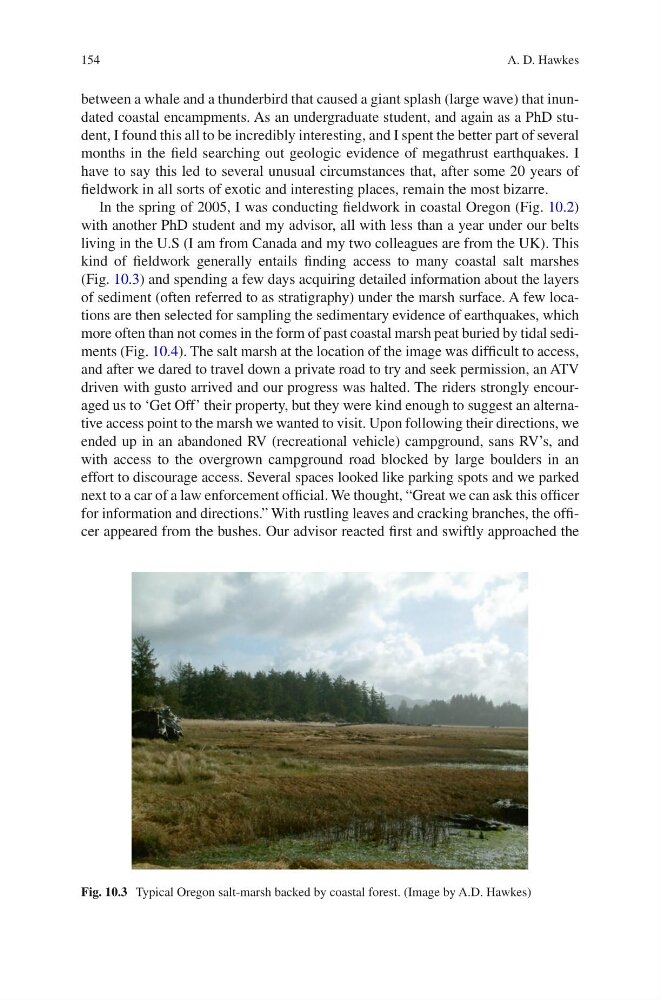
(Fig. 10.3) and spending a few days acquiring detailed information about the layers
of sediment (often referred to as stratigraphy) under the marsh surface. A few locations are then selected for sampling the sedimentary evidence of earthquakes, which
more often than not comes in the form of past coastal marsh peat buried by tidal sediments (Fig. 10.4). The salt marsh at the location of the image was difficult to access,
and after we dared to travel down a private road to try and seek permission, an ATV
driven with gusto arrived and our progress was halted. The riders strongly encouraged us to ‘Get Off’ their property, but they were kind enough to suggest an alternative access point to the marsh we wanted to visit. Upon following their directions, we
ended up in an abandoned RV (recreational vehicle) campground, sans RV’s, and
with access to the overgrown campground road blocked by large boulders in an
effort to discourage access. Several spaces looked like parking spots and we parked
next to a car of a law enforcement official. We thought, “Great we can ask this officer
for information and directions.” With rustling leaves and cracking branches, the officer appeared from the bushes. Our advisor reacted first and swiftly approached the
Fig. 10.3 Typical Oregon salt-marsh backed by coastal forest. (Image by A.D. Hawkes)
A. D. Hawkes
between a whale and a thunderbird that caused a giant splash (large wave) that inundated coastal encampments. As an undergraduate student, and again as a PhD student, I found this all to be incredibly interesting, and I spent the better part of several
months in the field searching out geologic evidence of megathrust earthquakes. I
have to say this led to several unusual circumstances that, after some 20 years of
fieldwork in all sorts of exotic and interesting places, remain the most bizarre.
In the spring of 2005, I was conducting fieldwork in coastal Oregon (Fig. 10.2)
with another PhD student and my advisor, all with less than a year under our belts
living in the U.S (I am from Canada and my two colleagues are from the UK). This
kind of fieldwork generally entails finding access to many coastal salt marshes
(Fig. 10.3) and spending a few days acquiring detailed information about the layers
of sediment (often referred to as stratigraphy) under the marsh surface. A few locations are then selected for sampling the sedimentary evidence of earthquakes, which
more often than not comes in the form of past coastal marsh peat buried by tidal sediments (Fig. 10.4). The salt marsh at the location of the image was difficult to access,
and after we dared to travel down a private road to try and seek permission, an ATV
driven with gusto arrived and our progress was halted. The riders strongly encouraged us to ‘Get Off’ their property, but they were kind enough to suggest an alternative access point to the marsh we wanted to visit. Upon following their directions, we
ended up in an abandoned RV (recreational vehicle) campground, sans RV’s, and
with access to the overgrown campground road blocked by large boulders in an
effort to discourage access. Several spaces looked like parking spots and we parked
next to a car of a law enforcement official. We thought, “Great we can ask this officer
for information and directions.” With rustling leaves and cracking branches, the officer appeared from the bushes. Our advisor reacted first and swiftly approached the
Fig. 10.3 Typical Oregon salt-marsh backed by coastal forest. (Image by A.D. Hawkes)
A. D. Hawkes