

Narrow strips of Tephric Raw Soils also occur on secondary lacustrine tephric materials around the southern and
eastern shores of Lake Taupo, and on recently deposited
lahars on Mounts Ruapehu and Taranaki. Lahars are rapidly
moving, water-laden flows, other than normal stream flow,
that carry poorly sorted pyroclastic and volcanic debris.
A good example is the young laharic deposits in the
Whangaehu River valley that were emplaced following the
breaching of the tephra-impounded Crater Lake of Mt
Ruapehu in March 2007. Such secondary materials typically
contain at least some tephra material and are, therefore,
appropriately classed as Tephric Raw Soils (in the widest
sense of ‘tephric’), but they potentially cross over to Fluvial
Raw Soils given their fluvial-like origins.
Orthic Raw Soils are scattered throughout New Zealand
on erosion scars, and the debris (runout materials) deposited
in the lower reaches of areas of hillslope mass movement
(Fig. 13.9). Within the New Zealand hill country, particularly
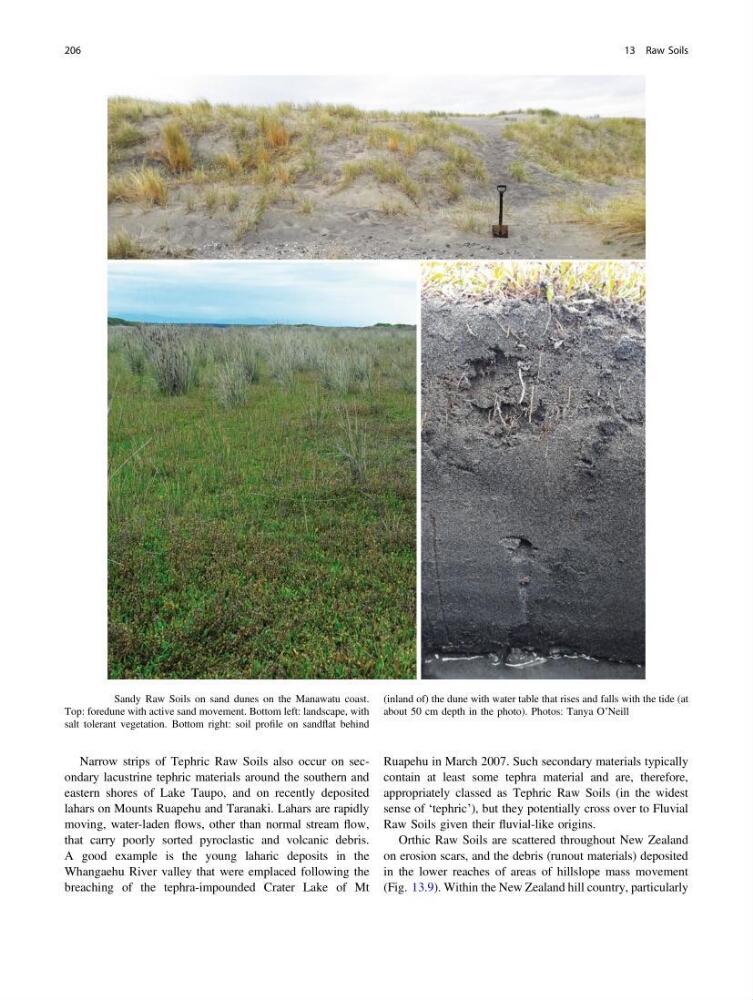
Fig. 13.6 Sandy Raw Soils on sand dunes on the Manawatu coast.
Top: foredune with active sand movement. Bottom left: landscape, with
salt tolerant vegetation. Bottom right: soil profile on sandflat behind
(inland of) the dune with water table that rises and falls with the tide (at
about 50 cm depth in the photo). Photos: Tanya O’Neill
206
13 Raw Soils
eastern shores of Lake Taupo, and on recently deposited
lahars on Mounts Ruapehu and Taranaki. Lahars are rapidly
moving, water-laden flows, other than normal stream flow,
that carry poorly sorted pyroclastic and volcanic debris.
A good example is the young laharic deposits in the
Whangaehu River valley that were emplaced following the
breaching of the tephra-impounded Crater Lake of Mt
Ruapehu in March 2007. Such secondary materials typically
contain at least some tephra material and are, therefore,
appropriately classed as Tephric Raw Soils (in the widest
sense of ‘tephric’), but they potentially cross over to Fluvial
Raw Soils given their fluvial-like origins.
Orthic Raw Soils are scattered throughout New Zealand
on erosion scars, and the debris (runout materials) deposited
in the lower reaches of areas of hillslope mass movement
(Fig. 13.9). Within the New Zealand hill country, particularly
Fig. 13.6 Sandy Raw Soils on sand dunes on the Manawatu coast.
Top: foredune with active sand movement. Bottom left: landscape, with
salt tolerant vegetation. Bottom right: soil profile on sandflat behind
(inland of) the dune with water table that rises and falls with the tide (at
about 50 cm depth in the photo). Photos: Tanya O’Neill
206
13 Raw Soils