

19.8.1 By-Products from Citrus Fruits
Rutaceae (citrus family plants) also known as agrumes are one of the largest fruit
crops worldwide. Citrus fruits are rich in vitamin C (citric acid) and vitamin B (like
thiamin, niacin, pyridoxine, riboflavin, pantothemic acid, and folate), as well as
flavonoids, limonoids, and carotenoids chemical constituents are present. These
ingredients are the major source of dietary fibers, lowered circulating cholesterol,
and gastrointestinal diseases. Citrus fruits contribute to human diet and exhibit good
antioxidant properties. From citrus family, some of them are eaten fresh such as
grapes, oranges, and tangerins, as well as others around 85% of industrial processed
consumption such as lemon and orange juices. Phytochemicals of these natural
sources are used for human color for skin, hair color, and eyes, as well as skin
protection from ultraviolet radiation. Ethanol extracts waste by-products from the
citrus family shown potential antimicrobial, antioxidant, and anti-inflammatory
properties, because these extracts are major source of essential oils and flavonoids.
Essential oils are used particularly as preservatives against spoilage, pharmaceuticals, and cosmetics. For example, C. unshiu peel essential oils composed of
limonene (80.5%), c-terpinene (6.80%), and cymene (4.02%) are major compounds. These essential oils exhibit potential antibacterial activity, antiinflammatory, antimicrobial, and antioxidant properties. Essential oils and
extracts of citrus family by-products are used as hair and skin care products.
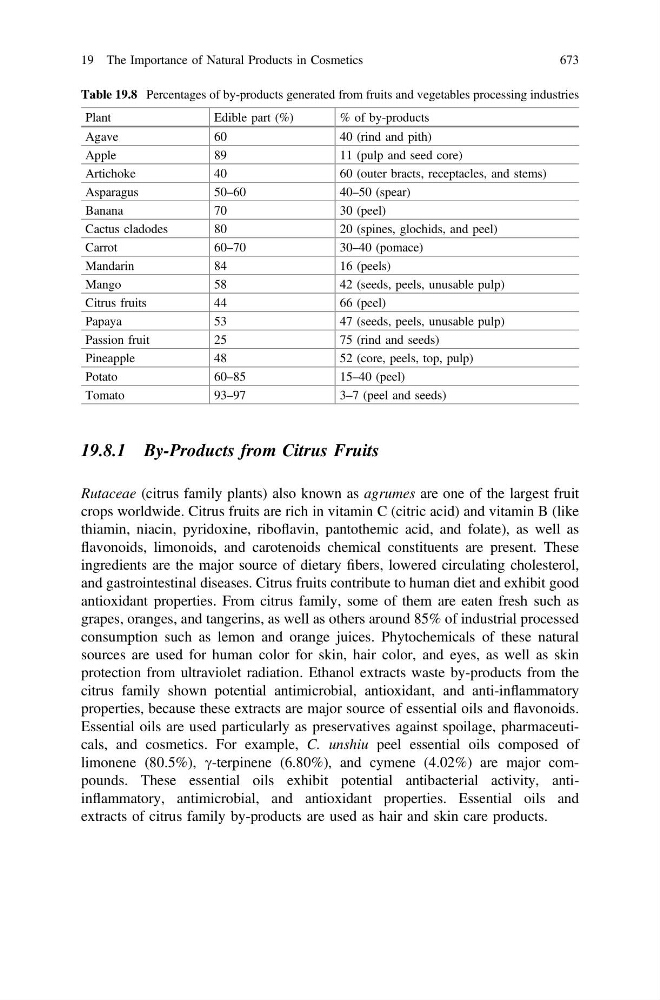
Table 19.8 Percentages of by-products generated from fruits and vegetables processing industries
Plant
Edible part (%)
% of by-products
Agave
60
40 (rind and pith)
Apple
89
11 (pulp and seed core)
Artichoke
40
60 (outer bracts, receptacles, and stems)
Asparagus
50–60
40–50 (spear)
Banana
70
30 (peel)
Cactus cladodes
80
20 (spines, glochids, and peel)
Carrot
60–70
30–40 (pomace)
Mandarin
84
16 (peels)
Mango
58
42 (seeds, peels, unusable pulp)
Citrus fruits
44
66 (peel)
Papaya
53
47 (seeds, peels, unusable pulp)
Passion fruit
25
75 (rind and seeds)
Pineapple
48
52 (core, peels, top, pulp)
Potato
60–85
15–40 (peel)
Tomato
93–97
3–7 (peel and seeds)
19 The Importance of Natural Products in Cosmetics
673