

chrysene -2-ol derivatives. Hence, essential oils are used for face masks, massage
oils, lotions, creams, scrubs, facial tones, antidandruff shampoos and conditioners,
lip blames as well as used for treatment for insect bites, chicken fox, acne, eczema,
and blemishes (Chukwuma et al. 2015; Essiett et al. 2011; Lans 2007; Okereke
et al. 2017; Oloyede 2016; Oloyede and Ayanbadejo 2014).
Lenotis nepetifolia (L.)
L. nepetifolia (Fig. 19.4) plants parts (sepals, leaves, flowers, and roots) are used in
traditional medicinal system. Hence, extracts are composed of active ingredients
such as terpenes, terpenoids, quinines, alkaloids, Saponins, and coumarins as well
as essential oils. Because of these active chemical constituents, they exhibit
antibacterial, antioxidant, insecticidal, radical scavenging anti-inflammatory, and
cosmetic properties. L. neperifolia has been used for skin allergies, calm agitation,
counteract muscle spasms, treatment for bronchial asthma, heal burns, pain, fever,
cold, anti-malaria, and arthritis as well as it used for cosmetics such as skin
regenerating agents, skin rashes, skin infections, and skin rejuvenating. Essential
oils from this plant shown pleasant fragrance, it could be used for preparation of
perfumes, because of the diterpenens and coumarins (Imran et al. 2012; Niteshwar
and Kumari 2012; Oyedeji and Afolayan 2005; Oyedeji et al. 1999; Pedro et al.
1991; Udaya et al. 2013).
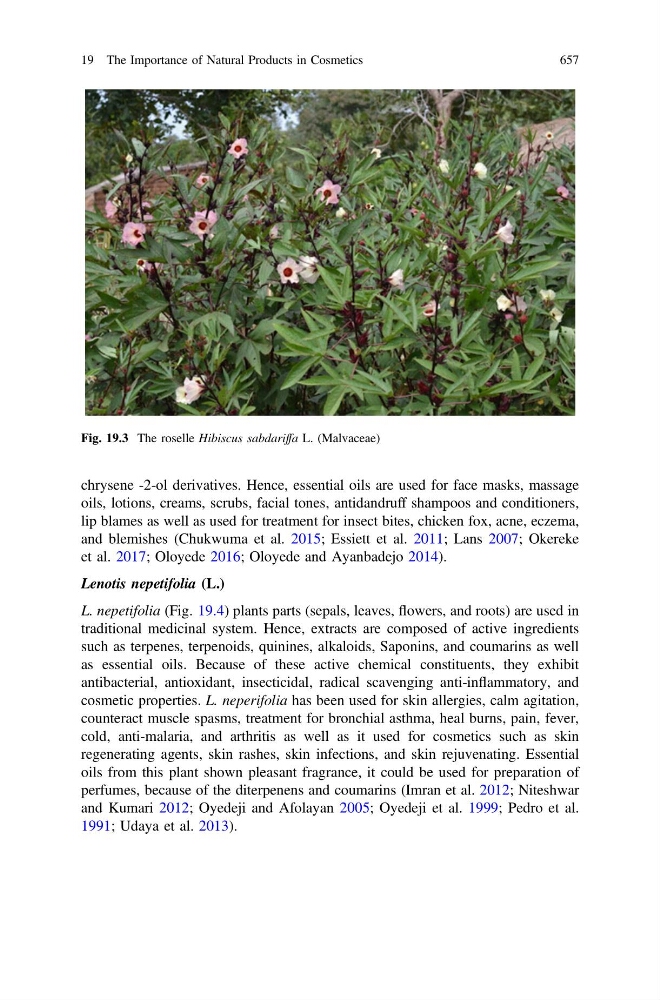
Fig. 19.3 The roselle Hibiscus sabdariffa L. (Malvaceae)
19 The Importance of Natural Products in Cosmetics
657