

the membrane proteins, which cause cell membrane distraction and breakdown of
cell wall and impairment of the electron transport chain. The antibacterial efficacy
of aqueous extracts is probably because of the anionic elements present such as
chlorides, nitrate, sulphates, and thiocyanate. The alcoholic extracts display
improved antimicrobial activity might be due to much solubility than the aqueous
extract solution. Curcumin potentially shows antimicrobial efficacy against a wide
range of gram-positive and gram-negative bacteria and it is generally much sensitive for gram-positive species than gram-negatives (Betts and Wareham 2014;
Kaur et al. 2010). This may be due to the specific cell wall structure of
gram-negative bacteria. The lipopolysaccharides of the superficial layer of cell wall
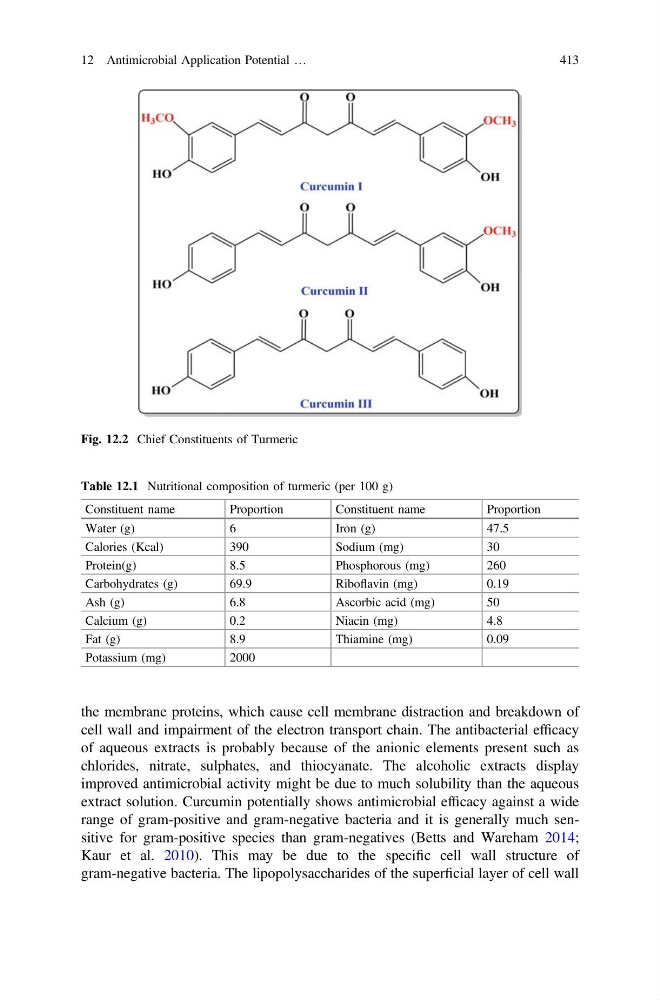
Fig. 12.2 Chief Constituents of Turmeric
Table 12.1 Nutritional composition of turmeric (per 100 g)
Constituent name
Proportion
Constituent name
Proportion
Water (g)
6
Iron (g)
47.5
Calories (Kcal)
390
Sodium (mg)
30
Protein(g)
8.5
Phosphorous (mg)
260
Carbohydrates (g)
69.9
Riboflavin (mg)
0.19
Ash (g)
6.8
Ascorbic acid (mg)
50
Calcium (g)
0.2
Niacin (mg)
4.8
Fat (g)
8.9
Thiamine (mg)
0.09
Potassium (mg)
2000
12 Antimicrobial Application Potential …
413
cell wall and impairment of the electron transport chain. The antibacterial efficacy
of aqueous extracts is probably because of the anionic elements present such as
chlorides, nitrate, sulphates, and thiocyanate. The alcoholic extracts display
improved antimicrobial activity might be due to much solubility than the aqueous
extract solution. Curcumin potentially shows antimicrobial efficacy against a wide
range of gram-positive and gram-negative bacteria and it is generally much sensitive for gram-positive species than gram-negatives (Betts and Wareham 2014;
Kaur et al. 2010). This may be due to the specific cell wall structure of
gram-negative bacteria. The lipopolysaccharides of the superficial layer of cell wall
Fig. 12.2 Chief Constituents of Turmeric
Table 12.1 Nutritional composition of turmeric (per 100 g)
Constituent name
Proportion
Constituent name
Proportion
Water (g)
6
Iron (g)
47.5
Calories (Kcal)
390
Sodium (mg)
30
Protein(g)
8.5
Phosphorous (mg)
260
Carbohydrates (g)
69.9
Riboflavin (mg)
0.19
Ash (g)
6.8
Ascorbic acid (mg)
50
Calcium (g)
0.2
Niacin (mg)
4.8
Fat (g)
8.9
Thiamine (mg)
0.09
Potassium (mg)
2000
12 Antimicrobial Application Potential …
413