

56
S. Kakkar et al.
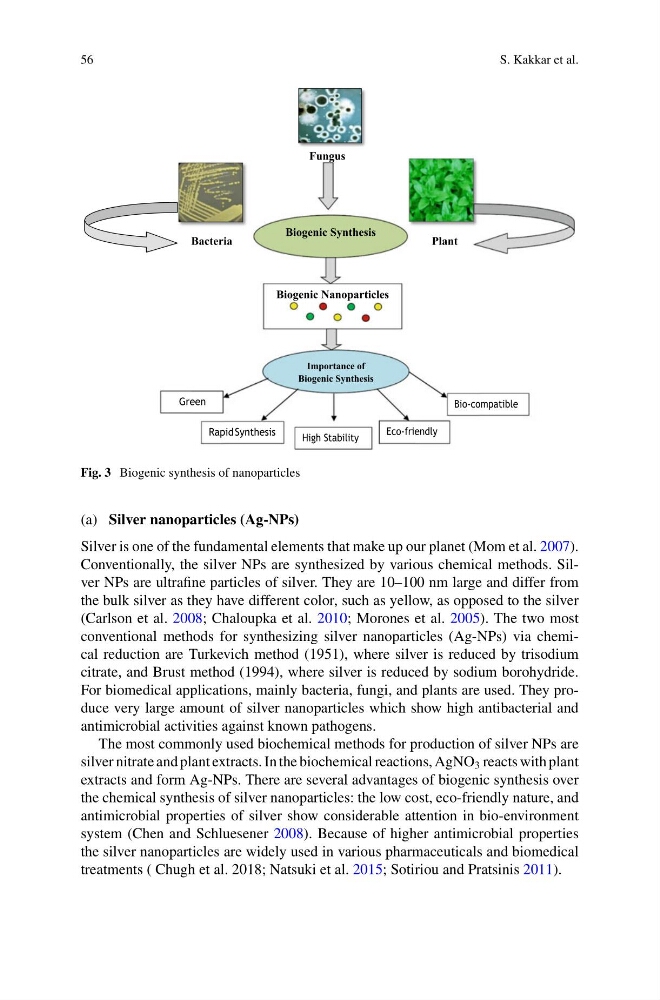
Fig. 3 Biogenic synthesis of nanoparticles
(a) Silver nanoparticles (Ag-NPs)
Silver is one of the fundamental elements that make up our planet (Mom et al. 2007).
Conventionally, the silver NPs are synthesized by various chemical methods. Silver NPs are ultrafine particles of silver. They are 10–100 nm large and differ from
the bulk silver as they have different color, such as yellow, as opposed to the silver
(Carlson et al. 2008; Chaloupka et al. 2010; Morones et al. 2005). The two most
conventional methods for synthesizing silver nanoparticles (Ag-NPs) via chemical reduction are Turkevich method (1951), where silver is reduced by trisodium
citrate, and Brust method (1994), where silver is reduced by sodium borohydride.
For biomedical applications, mainly bacteria, fungi, and plants are used. They produce very large amount of silver nanoparticles which show high antibacterial and
antimicrobial activities against known pathogens.
The most commonly used biochemical methods for production of silver NPs are
silver nitrate and plant extracts. In the biochemical reactions, AgNO 3 reacts with plant
extracts and form Ag-NPs. There are several advantages of biogenic synthesis over
the chemical synthesis of silver nanoparticles: the low cost, eco-friendly nature, and
antimicrobial properties of silver show considerable attention in bio-environment
system (Chen and Schluesener 2008). Because of higher antimicrobial properties
the silver nanoparticles are widely used in various pharmaceuticals and biomedical
treatments ( Chugh et al. 2018; Natsuki et al. 2015; Sotiriou and Pratsinis 2011).
S. Kakkar et al.
Fig. 3 Biogenic synthesis of nanoparticles
(a) Silver nanoparticles (Ag-NPs)
Silver is one of the fundamental elements that make up our planet (Mom et al. 2007).
Conventionally, the silver NPs are synthesized by various chemical methods. Silver NPs are ultrafine particles of silver. They are 10–100 nm large and differ from
the bulk silver as they have different color, such as yellow, as opposed to the silver
(Carlson et al. 2008; Chaloupka et al. 2010; Morones et al. 2005). The two most
conventional methods for synthesizing silver nanoparticles (Ag-NPs) via chemical reduction are Turkevich method (1951), where silver is reduced by trisodium
citrate, and Brust method (1994), where silver is reduced by sodium borohydride.
For biomedical applications, mainly bacteria, fungi, and plants are used. They produce very large amount of silver nanoparticles which show high antibacterial and
antimicrobial activities against known pathogens.
The most commonly used biochemical methods for production of silver NPs are
silver nitrate and plant extracts. In the biochemical reactions, AgNO 3 reacts with plant
extracts and form Ag-NPs. There are several advantages of biogenic synthesis over
the chemical synthesis of silver nanoparticles: the low cost, eco-friendly nature, and
antimicrobial properties of silver show considerable attention in bio-environment
system (Chen and Schluesener 2008). Because of higher antimicrobial properties
the silver nanoparticles are widely used in various pharmaceuticals and biomedical
treatments ( Chugh et al. 2018; Natsuki et al. 2015; Sotiriou and Pratsinis 2011).