

28
D. P. Barai et al.
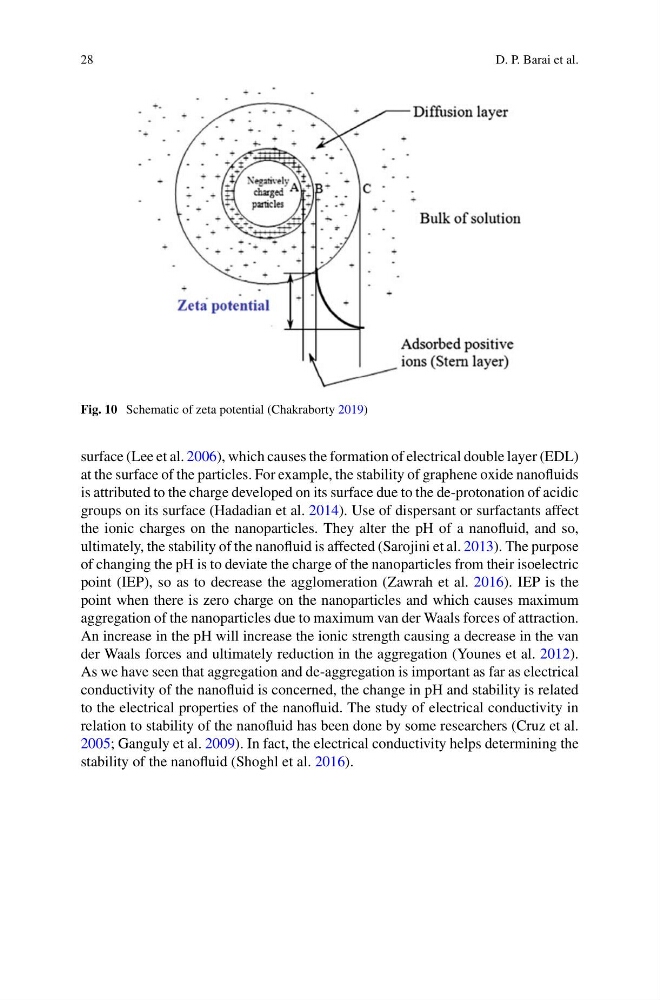
Fig. 10 Schematic of zeta potential (Chakraborty 2019)
surface (Lee et al. 2006), which causes the formation of electrical double layer (EDL)
at the surface of the particles. For example, the stability of graphene oxide nanofluids
is attributed to the charge developed on its surface due to the de-protonation of acidic
groups on its surface (Hadadian et al. 2014). Use of dispersant or surfactants affect
the ionic charges on the nanoparticles. They alter the pH of a nanofluid, and so,
ultimately, the stability of the nanofluid is affected (Sarojini et al. 2013). The purpose
of changing the pH is to deviate the charge of the nanoparticles from their isoelectric
point (IEP), so as to decrease the agglomeration (Zawrah et al. 2016). IEP is the
point when there is zero charge on the nanoparticles and which causes maximum
aggregation of the nanoparticles due to maximum van der Waals forces of attraction.
An increase in the pH will increase the ionic strength causing a decrease in the van
der Waals forces and ultimately reduction in the aggregation (Younes et al. 2012).
As we have seen that aggregation and de-aggregation is important as far as electrical
conductivity of the nanofluid is concerned, the change in pH and stability is related
to the electrical properties of the nanofluid. The study of electrical conductivity in
relation to stability of the nanofluid has been done by some researchers (Cruz et al.
2005; Ganguly et al. 2009). In fact, the electrical conductivity helps determining the
stability of the nanofluid (Shoghl et al. 2016).
D. P. Barai et al.
Fig. 10 Schematic of zeta potential (Chakraborty 2019)
surface (Lee et al. 2006), which causes the formation of electrical double layer (EDL)
at the surface of the particles. For example, the stability of graphene oxide nanofluids
is attributed to the charge developed on its surface due to the de-protonation of acidic
groups on its surface (Hadadian et al. 2014). Use of dispersant or surfactants affect
the ionic charges on the nanoparticles. They alter the pH of a nanofluid, and so,
ultimately, the stability of the nanofluid is affected (Sarojini et al. 2013). The purpose
of changing the pH is to deviate the charge of the nanoparticles from their isoelectric
point (IEP), so as to decrease the agglomeration (Zawrah et al. 2016). IEP is the
point when there is zero charge on the nanoparticles and which causes maximum
aggregation of the nanoparticles due to maximum van der Waals forces of attraction.
An increase in the pH will increase the ionic strength causing a decrease in the van
der Waals forces and ultimately reduction in the aggregation (Younes et al. 2012).
As we have seen that aggregation and de-aggregation is important as far as electrical
conductivity of the nanofluid is concerned, the change in pH and stability is related
to the electrical properties of the nanofluid. The study of electrical conductivity in
relation to stability of the nanofluid has been done by some researchers (Cruz et al.
2005; Ganguly et al. 2009). In fact, the electrical conductivity helps determining the
stability of the nanofluid (Shoghl et al. 2016).