

240
R. M. Jadhav and J. S. Sangwai
An example would be the use of optical properties of gold nanoparticles in the
field of medicine for photothermal therapy (Huang and El-Sayed 2010).
5. Magnetism: Nanomaterials exhibit magnetism which can be utilized in a number of ways. These can be used for magnetically induced heating in nanofluid
applications.
One of the fascinating aspects of nanoparticles and their properties is that they
can be crafted to suit particular requirements. There are several methods to attain
desirable properties (high surface area, selectivity) and shapes (clusters, nanowires,
etc.) in these materials. There are namely two broad classifications of processes
involved in nanoparticle production, top-down process and bottom-up process.
The top-down process can be visualized as breaking down of a particular material
until nanoscale is reached. Top-down processes usually involve more mechanical
input for achieving a reduction in size. Some examples are high energy milling, laser
ablation process, nano-lithography, etc.
The bottom-up methodology is the technique which proceeds from individual
molecules and atoms to nanoparticle formation. They are widely used because
they give high-purity particles and are more preferred for the structural stability of
nanoparticles. These processes also allow more control over the size distribution and
structure manipulation. Some examples would include the sol-gel process, epitaxial
growth processes (atomic, molecular liquid phase), vapor deposition techniques, etc.
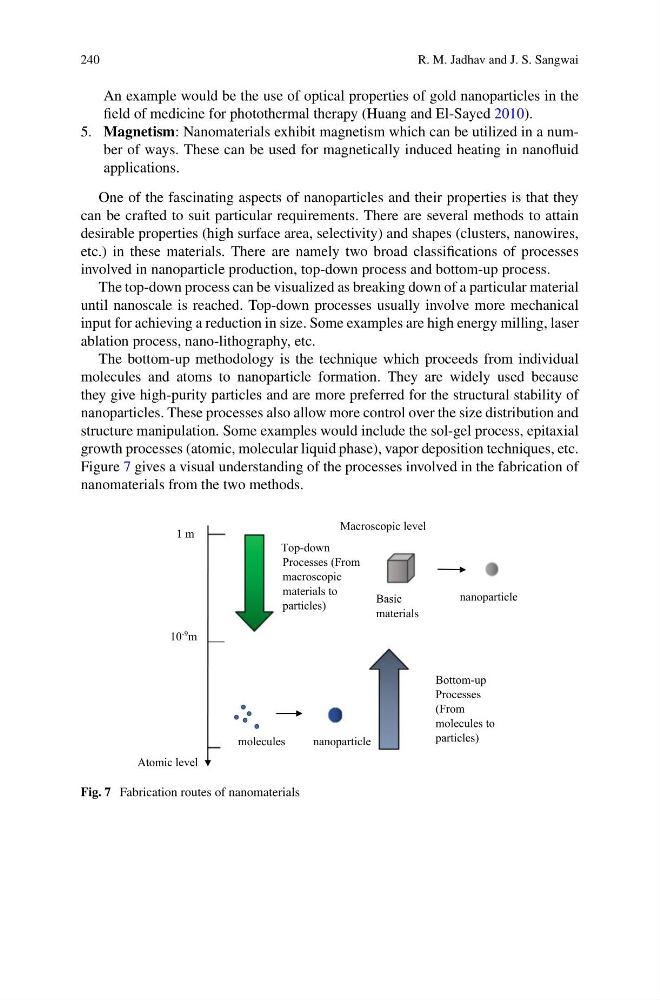
Figure 7 gives a visual understanding of the processes involved in the fabrication of
nanomaterials from the two methods.
1 m
Top-down
Macroscopic level
10
-9 m
Processes (From
macroscopic
materials to
particles)
Basic
materials
nanoparticle
Atomic level
molecules
nanoparticle
Bottom-up
Processes
(From
molecules to
particles)
Fig. 7 Fabrication routes of nanomaterials
R. M. Jadhav and J. S. Sangwai
An example would be the use of optical properties of gold nanoparticles in the
field of medicine for photothermal therapy (Huang and El-Sayed 2010).
5. Magnetism: Nanomaterials exhibit magnetism which can be utilized in a number of ways. These can be used for magnetically induced heating in nanofluid
applications.
One of the fascinating aspects of nanoparticles and their properties is that they
can be crafted to suit particular requirements. There are several methods to attain
desirable properties (high surface area, selectivity) and shapes (clusters, nanowires,
etc.) in these materials. There are namely two broad classifications of processes
involved in nanoparticle production, top-down process and bottom-up process.
The top-down process can be visualized as breaking down of a particular material
until nanoscale is reached. Top-down processes usually involve more mechanical
input for achieving a reduction in size. Some examples are high energy milling, laser
ablation process, nano-lithography, etc.
The bottom-up methodology is the technique which proceeds from individual
molecules and atoms to nanoparticle formation. They are widely used because
they give high-purity particles and are more preferred for the structural stability of
nanoparticles. These processes also allow more control over the size distribution and
structure manipulation. Some examples would include the sol-gel process, epitaxial
growth processes (atomic, molecular liquid phase), vapor deposition techniques, etc.
Figure 7 gives a visual understanding of the processes involved in the fabrication of
nanomaterials from the two methods.
1 m
Top-down
Macroscopic level
10
-9 m
Processes (From
macroscopic
materials to
particles)
Basic
materials
nanoparticle
Atomic level
molecules
nanoparticle
Bottom-up
Processes
(From
molecules to
particles)
Fig. 7 Fabrication routes of nanomaterials