

234
R. M. Jadhav and J. S. Sangwai
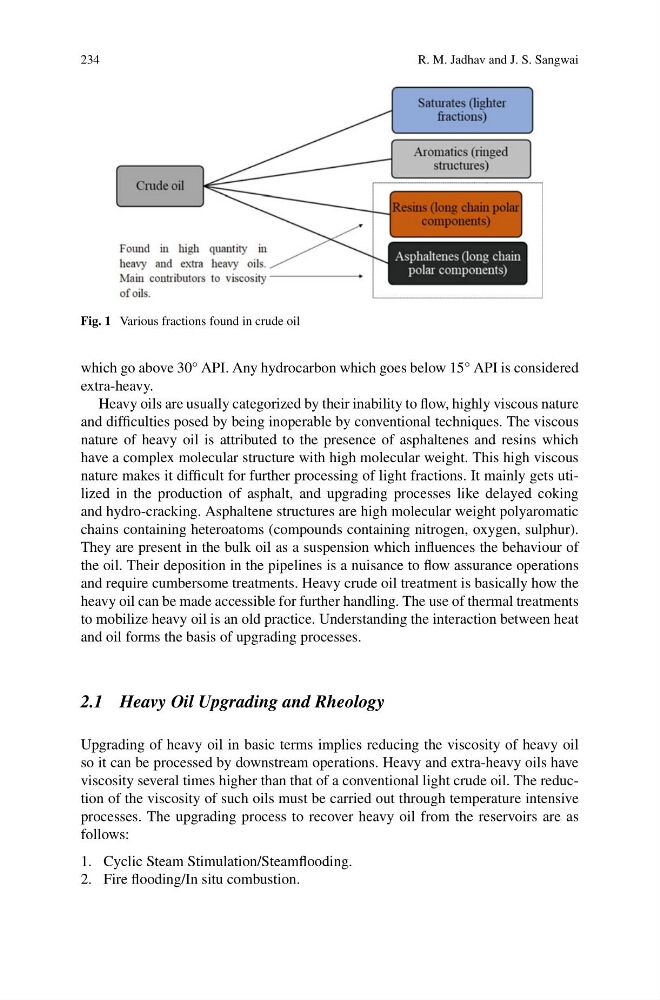
Fig. 1 Various fractions found in crude oil
which go above 30° API. Any hydrocarbon which goes below 15° API is considered
extra-heavy.
Heavy oils are usually categorized by their inability to flow, highly viscous nature
and difficulties posed by being inoperable by conventional techniques. The viscous
nature of heavy oil is attributed to the presence of asphaltenes and resins which
have a complex molecular structure with high molecular weight. This high viscous
nature makes it difficult for further processing of light fractions. It mainly gets utilized in the production of asphalt, and upgrading processes like delayed coking
and hydro-cracking. Asphaltene structures are high molecular weight polyaromatic
chains containing heteroatoms (compounds containing nitrogen, oxygen, sulphur).
They are present in the bulk oil as a suspension which influences the behaviour of
the oil. Their deposition in the pipelines is a nuisance to flow assurance operations
and require cumbersome treatments. Heavy crude oil treatment is basically how the
heavy oil can be made accessible for further handling. The use of thermal treatments
to mobilize heavy oil is an old practice. Understanding the interaction between heat
and oil forms the basis of upgrading processes.
2.1 Heavy Oil Upgrading and Rheology
Upgrading of heavy oil in basic terms implies reducing the viscosity of heavy oil
so it can be processed by downstream operations. Heavy and extra-heavy oils have
viscosity several times higher than that of a conventional light crude oil. The reduction of the viscosity of such oils must be carried out through temperature intensive
processes. The upgrading process to recover heavy oil from the reservoirs are as
follows:
1. Cyclic Steam Stimulation/Steamflooding.
2. Fire flooding/In situ combustion.
R. M. Jadhav and J. S. Sangwai
Fig. 1 Various fractions found in crude oil
which go above 30° API. Any hydrocarbon which goes below 15° API is considered
extra-heavy.
Heavy oils are usually categorized by their inability to flow, highly viscous nature
and difficulties posed by being inoperable by conventional techniques. The viscous
nature of heavy oil is attributed to the presence of asphaltenes and resins which
have a complex molecular structure with high molecular weight. This high viscous
nature makes it difficult for further processing of light fractions. It mainly gets utilized in the production of asphalt, and upgrading processes like delayed coking
and hydro-cracking. Asphaltene structures are high molecular weight polyaromatic
chains containing heteroatoms (compounds containing nitrogen, oxygen, sulphur).
They are present in the bulk oil as a suspension which influences the behaviour of
the oil. Their deposition in the pipelines is a nuisance to flow assurance operations
and require cumbersome treatments. Heavy crude oil treatment is basically how the
heavy oil can be made accessible for further handling. The use of thermal treatments
to mobilize heavy oil is an old practice. Understanding the interaction between heat
and oil forms the basis of upgrading processes.
2.1 Heavy Oil Upgrading and Rheology
Upgrading of heavy oil in basic terms implies reducing the viscosity of heavy oil
so it can be processed by downstream operations. Heavy and extra-heavy oils have
viscosity several times higher than that of a conventional light crude oil. The reduction of the viscosity of such oils must be carried out through temperature intensive
processes. The upgrading process to recover heavy oil from the reservoirs are as
follows:
1. Cyclic Steam Stimulation/Steamflooding.
2. Fire flooding/In situ combustion.