

52
X-Machines for Agent-Based Modeling: FLAME Perspectives
M e m o r y
F u n c t i o n 1 { . . . . }
F u n c t i o n 2 { . . . . }
F u n c t i o n 3 { . . . . }
L i s t o f f u n c t i o n s
t o p e r f o r m
S e n d a n d r e c e i v e
m e s s a g e s
S t r u c t u r e o f a n A g e n t
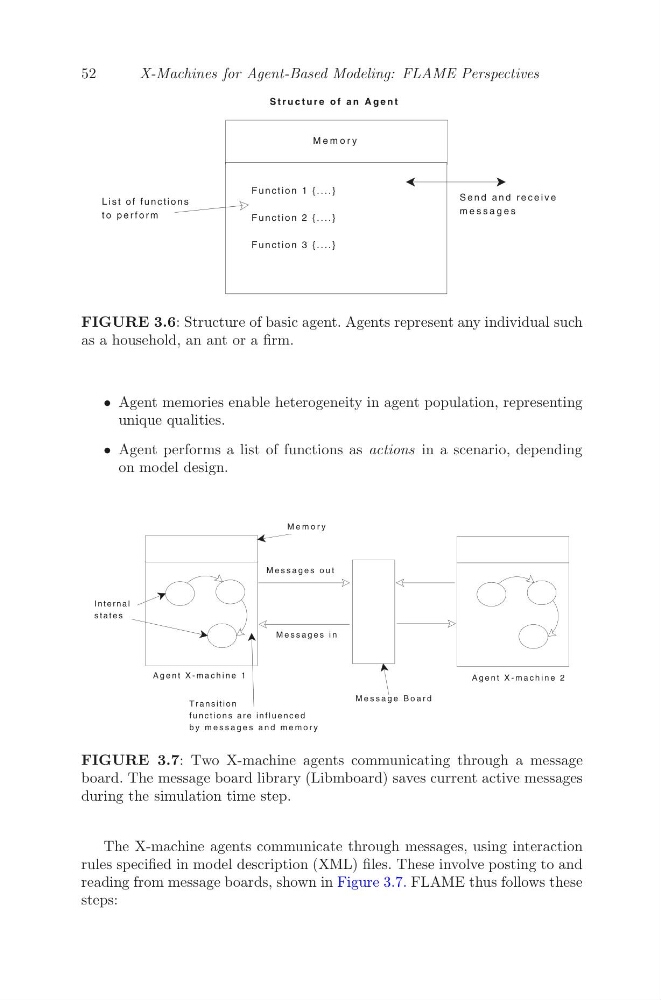
FIGURE 3.6: Structure of basic agent. Agents represent any individual such
as a household, an ant or a firm.
• Agent memories enable heterogeneity in agent population, representing
unique qualities.
• Agent performs a list of functions as actions in a scenario, depending
on model design.
M e m o r y
I n t e r n a l
s t a t e s
T r a n s i t i o n
f u n c t i o n s a r e i n f l u e n c e d
b y m e s s a g e s a n d m e m o r y
M e s s a g e s o u t
M e s s a g e s i n
A g e n t X - m a c h i n e 2
A g e n t X - m a c h i n e 1
M e s s a g e B o a r d
FIGURE 3.7: Two X-machine agents communicating through a message
board. The message board library (Libmboard) saves current active messages
during the simulation time step.
The X-machine agents communicate through messages, using interaction
rules specified in model description (XML) files. These involve posting to and
reading from message boards, shown in Figure 3.7. FLAME thus follows these
steps:
X-Machines for Agent-Based Modeling: FLAME Perspectives
M e m o r y
F u n c t i o n 1 { . . . . }
F u n c t i o n 2 { . . . . }
F u n c t i o n 3 { . . . . }
L i s t o f f u n c t i o n s
t o p e r f o r m
S e n d a n d r e c e i v e
m e s s a g e s
S t r u c t u r e o f a n A g e n t
FIGURE 3.6: Structure of basic agent. Agents represent any individual such
as a household, an ant or a firm.
• Agent memories enable heterogeneity in agent population, representing
unique qualities.
• Agent performs a list of functions as actions in a scenario, depending
on model design.
M e m o r y
I n t e r n a l
s t a t e s
T r a n s i t i o n
f u n c t i o n s a r e i n f l u e n c e d
b y m e s s a g e s a n d m e m o r y
M e s s a g e s o u t
M e s s a g e s i n
A g e n t X - m a c h i n e 2
A g e n t X - m a c h i n e 1
M e s s a g e B o a r d
FIGURE 3.7: Two X-machine agents communicating through a message
board. The message board library (Libmboard) saves current active messages
during the simulation time step.
The X-machine agents communicate through messages, using interaction
rules specified in model description (XML) files. These involve posting to and
reading from message boards, shown in Figure 3.7. FLAME thus follows these
steps: