

122
X-Machines for Agent-Based Modeling: FLAME Perspectives
I n p u t s 1 o r m o r e
O u t p u t s 1 o r m o r e
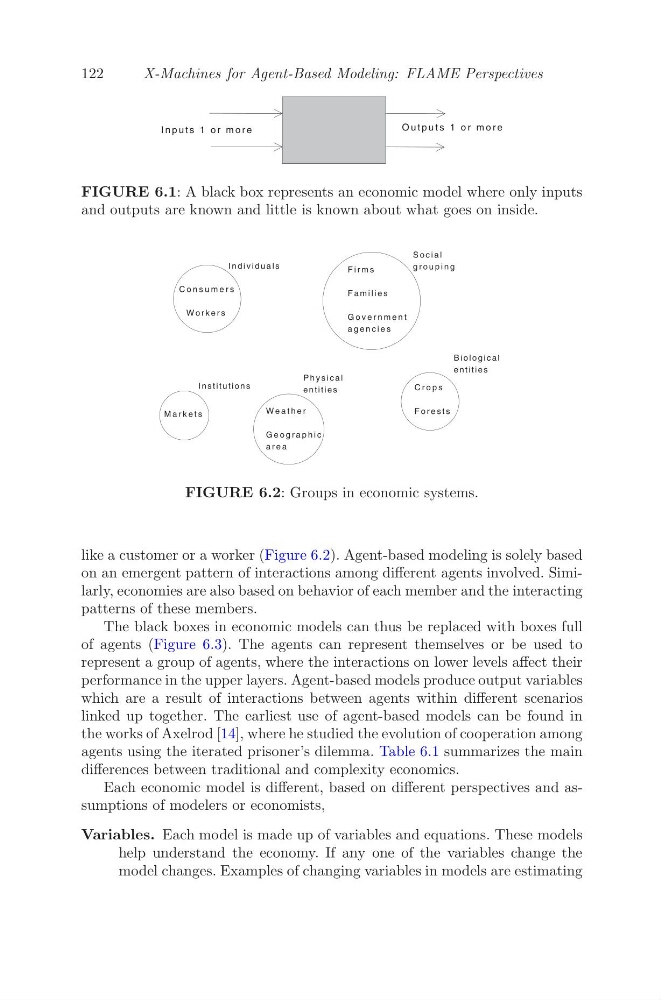
FIGURE 6.1: A black box represents an economic model where only inputs
and outputs are known and little is known about what goes on inside.
C o n s u m e r s
W o r k e r s
I n d i v i d u a l s
S o c i a l
g r o u p i n g
F i r m s
F a m i l i e s
G o v e r n m e n t
a g e n c i e s
C r o p s
F o r e s t s
B i o l o g i c a l
e n t i t i e s
W e a t h e r
G e o g r a p h i c
a r e a
P h y s i c a l
e n t i t i e s
M a r k e t s
I n s t i t u t i o n s
FIGURE 6.2: Groups in economic systems.
like a customer or a worker (Figure 6.2). Agent-based modeling is solely based
on an emergent pattern of interactions among different agents involved. Similarly, economies are also based on behavior of each member and the interacting
patterns of these members.
The black boxes in economic models can thus be replaced with boxes full
of agents (Figure 6.3). The agents can represent themselves or be used to
represent a group of agents, where the interactions on lower levels affect their
performance in the upper layers. Agent-based models produce output variables
which are a result of interactions between agents within different scenarios
linked up together. The earliest use of agent-based models can be found in
the works of Axelrod [14], where he studied the evolution of cooperation among
agents using the iterated prisoner’s dilemma. Table 6.1 summarizes the main
differences between traditional and complexity economics.
Each economic model is different, based on different perspectives and assumptions of modelers or economists,
Variables. Each model is made up of variables and equations. These models
help understand the economy. If any one of the variables change the
model changes. Examples of changing variables in models are estimating
X-Machines for Agent-Based Modeling: FLAME Perspectives
I n p u t s 1 o r m o r e
O u t p u t s 1 o r m o r e
FIGURE 6.1: A black box represents an economic model where only inputs
and outputs are known and little is known about what goes on inside.
C o n s u m e r s
W o r k e r s
I n d i v i d u a l s
S o c i a l
g r o u p i n g
F i r m s
F a m i l i e s
G o v e r n m e n t
a g e n c i e s
C r o p s
F o r e s t s
B i o l o g i c a l
e n t i t i e s
W e a t h e r
G e o g r a p h i c
a r e a
P h y s i c a l
e n t i t i e s
M a r k e t s
I n s t i t u t i o n s
FIGURE 6.2: Groups in economic systems.
like a customer or a worker (Figure 6.2). Agent-based modeling is solely based
on an emergent pattern of interactions among different agents involved. Similarly, economies are also based on behavior of each member and the interacting
patterns of these members.
The black boxes in economic models can thus be replaced with boxes full
of agents (Figure 6.3). The agents can represent themselves or be used to
represent a group of agents, where the interactions on lower levels affect their
performance in the upper layers. Agent-based models produce output variables
which are a result of interactions between agents within different scenarios
linked up together. The earliest use of agent-based models can be found in
the works of Axelrod [14], where he studied the evolution of cooperation among
agents using the iterated prisoner’s dilemma. Table 6.1 summarizes the main
differences between traditional and complexity economics.
Each economic model is different, based on different perspectives and assumptions of modelers or economists,
Variables. Each model is made up of variables and equations. These models
help understand the economy. If any one of the variables change the
model changes. Examples of changing variables in models are estimating