

A Framework for Quantifying Effects of Characterization Error on the. . .
245
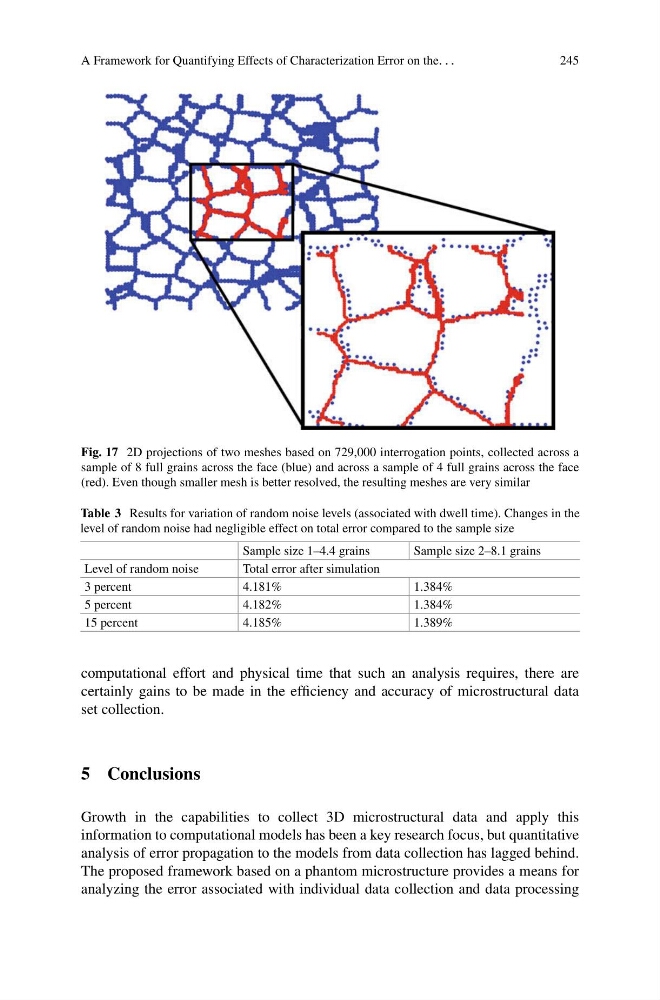
Fig. 17 2D projections of two meshes based on 729,000 interrogation points, collected across a
sample of 8 full grains across the face (blue) and across a sample of 4 full grains across the face
(red). Even though smaller mesh is better resolved, the resulting meshes are very similar
Table 3 Results for variation of random noise levels (associated with dwell time). Changes in the
level of random noise had negligible effect on total error compared to the sample size
Sample size 1–4.4 grains
Sample size 2–8.1 grains
Level of random noise
Total error after simulation
3 percent
4.181%
1.384%
5 percent
4.182%
1.384%
15 percent
4.185%
1.389%
computational effort and physical time that such an analysis requires, there are
certainly gains to be made in the efficiency and accuracy of microstructural data
set collection.
5 Conclusions
Growth in the capabilities to collect 3D microstructural data and apply this
information to computational models has been a key research focus, but quantitative
analysis of error propagation to the models from data collection has lagged behind.
The proposed framework based on a phantom microstructure provides a means for
analyzing the error associated with individual data collection and data processing
245
Fig. 17 2D projections of two meshes based on 729,000 interrogation points, collected across a
sample of 8 full grains across the face (blue) and across a sample of 4 full grains across the face
(red). Even though smaller mesh is better resolved, the resulting meshes are very similar
Table 3 Results for variation of random noise levels (associated with dwell time). Changes in the
level of random noise had negligible effect on total error compared to the sample size
Sample size 1–4.4 grains
Sample size 2–8.1 grains
Level of random noise
Total error after simulation
3 percent
4.181%
1.384%
5 percent
4.182%
1.384%
15 percent
4.185%
1.389%
computational effort and physical time that such an analysis requires, there are
certainly gains to be made in the efficiency and accuracy of microstructural data
set collection.
5 Conclusions
Growth in the capabilities to collect 3D microstructural data and apply this
information to computational models has been a key research focus, but quantitative
analysis of error propagation to the models from data collection has lagged behind.
The proposed framework based on a phantom microstructure provides a means for
analyzing the error associated with individual data collection and data processing