

72
Chapter 6. Modelling asymmetric relationships with multiple types
6.3 Applying directed typed embeddings
We will continue to use the Florentine families dataset, in its full richness with edges
typed by social and financial connections, and directed by power.
In the embedding of networks that are both directed and have typed edges,
there are four versions of each node, and it becomes increasingly difficult to interpret
visualization of the figures. However, if a particular small set of nodes are of interest,
and an interactive environment is available, it is still possible to learn much from the
renderings themselves.
It is also useful to compute the distances between the embedded points and
consider these distances as markers for interesting properties of nodes. Here we use
the normalized edge length of the edges (mentioned earlier) for further comparison.
6.3.1 Florentine families
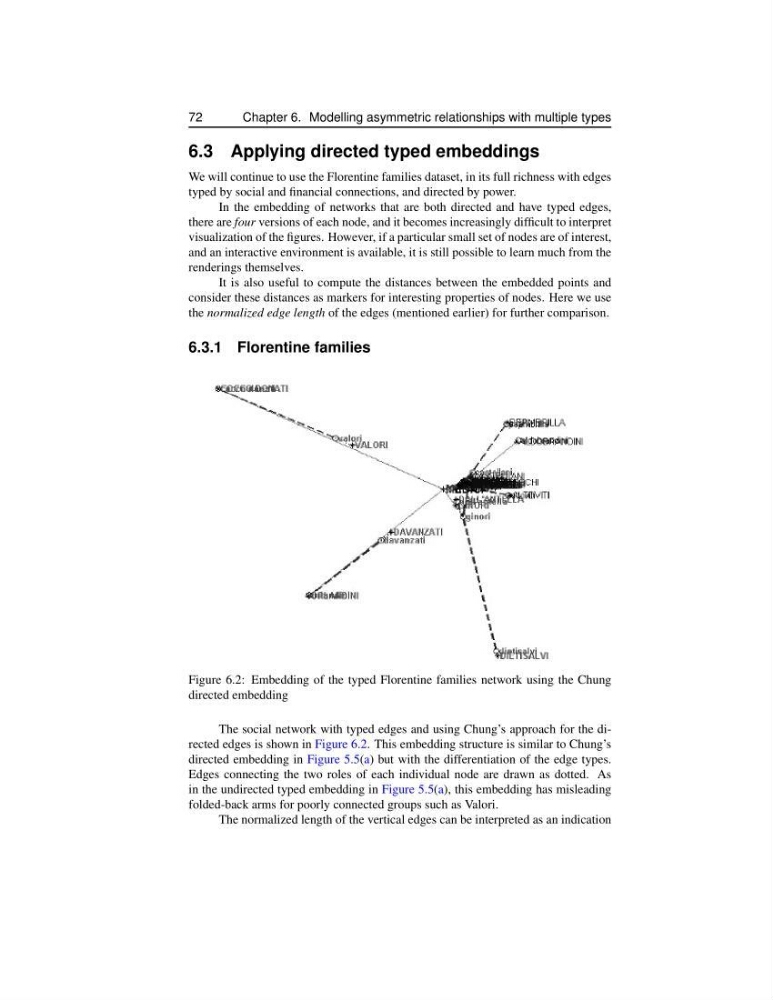
Figure 6.2: Embedding of the typed Florentine families network using the Chung
directed embedding
The social network with typed edges and using Chung’s approach for the directed edges is shown in Figure 6.2. This embedding structure is similar to Chung’s
directed embedding in Figure 5.5(a) but with the differentiation of the edge types.
Edges connecting the two roles of each individual node are drawn as dotted. As
in the undirected typed embedding in Figure 5.5(a), this embedding has misleading
folded-back arms for poorly connected groups such as Valori.
The normalized length of the vertical edges can be interpreted as an indication
Chapter 6. Modelling asymmetric relationships with multiple types
6.3 Applying directed typed embeddings
We will continue to use the Florentine families dataset, in its full richness with edges
typed by social and financial connections, and directed by power.
In the embedding of networks that are both directed and have typed edges,
there are four versions of each node, and it becomes increasingly difficult to interpret
visualization of the figures. However, if a particular small set of nodes are of interest,
and an interactive environment is available, it is still possible to learn much from the
renderings themselves.
It is also useful to compute the distances between the embedded points and
consider these distances as markers for interesting properties of nodes. Here we use
the normalized edge length of the edges (mentioned earlier) for further comparison.
6.3.1 Florentine families
Figure 6.2: Embedding of the typed Florentine families network using the Chung
directed embedding
The social network with typed edges and using Chung’s approach for the directed edges is shown in Figure 6.2. This embedding structure is similar to Chung’s
directed embedding in Figure 5.5(a) but with the differentiation of the edge types.
Edges connecting the two roles of each individual node are drawn as dotted. As
in the undirected typed embedding in Figure 5.5(a), this embedding has misleading
folded-back arms for poorly connected groups such as Valori.
The normalized length of the vertical edges can be interpreted as an indication