

150
Chapter 10. Combining directed and signed embeddings
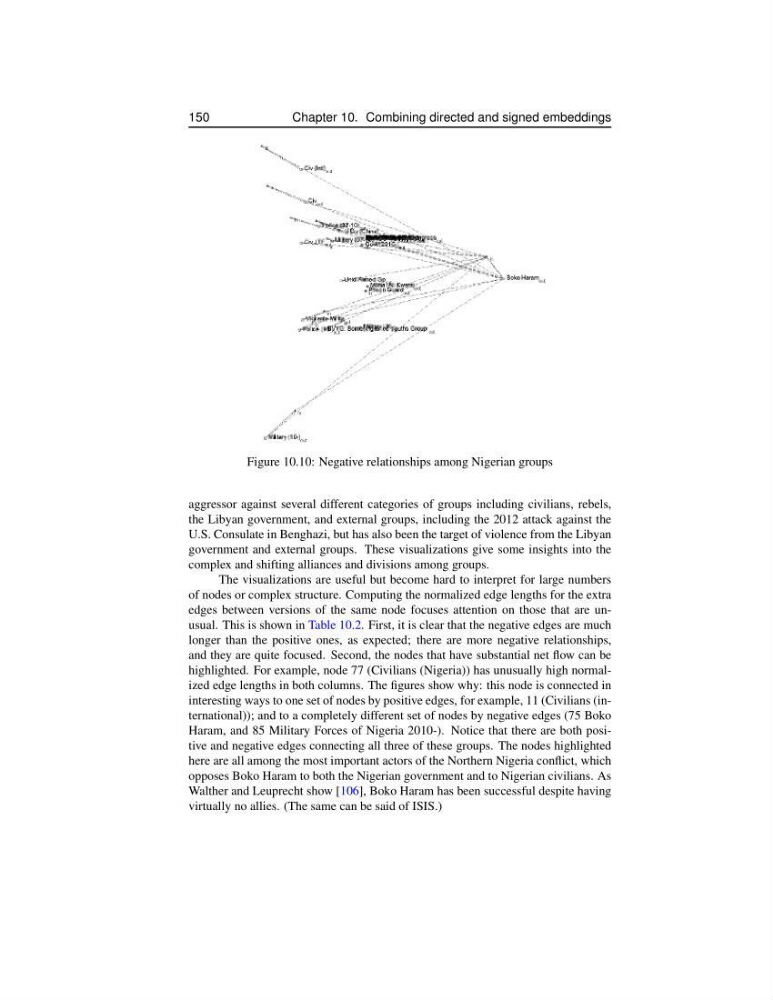
Figure 10.10: Negative relationships among Nigerian groups
aggressor against several different categories of groups including civilians, rebels,
the Libyan government, and external groups, including the 2012 attack against the
U.S. Consulate in Benghazi, but has also been the target of violence from the Libyan
government and external groups. These visualizations give some insights into the
complex and shifting alliances and divisions among groups.
The visualizations are useful but become hard to interpret for large numbers
of nodes or complex structure. Computing the normalized edge lengths for the extra
edges between versions of the same node focuses attention on those that are unusual. This is shown in Table 10.2. First, it is clear that the negative edges are much
longer than the positive ones, as expected; there are more negative relationships,
and they are quite focused. Second, the nodes that have substantial net flow can be
highlighted. For example, node 77 (Civilians (Nigeria)) has unusually high normalized edge lengths in both columns. The figures show why: this node is connected in
interesting ways to one set of nodes by positive edges, for example, 11 (Civilians (international)); and to a completely different set of nodes by negative edges (75 Boko
Haram, and 85 Military Forces of Nigeria 2010-). Notice that there are both positive and negative edges connecting all three of these groups. The nodes highlighted
here are all among the most important actors of the Northern Nigeria conflict, which
opposes Boko Haram to both the Nigerian government and to Nigerian civilians. As
Walther and Leuprecht show [106], Boko Haram has been successful despite having
virtually no allies. (The same can be said of ISIS.)
Chapter 10. Combining directed and signed embeddings
Figure 10.10: Negative relationships among Nigerian groups
aggressor against several different categories of groups including civilians, rebels,
the Libyan government, and external groups, including the 2012 attack against the
U.S. Consulate in Benghazi, but has also been the target of violence from the Libyan
government and external groups. These visualizations give some insights into the
complex and shifting alliances and divisions among groups.
The visualizations are useful but become hard to interpret for large numbers
of nodes or complex structure. Computing the normalized edge lengths for the extra
edges between versions of the same node focuses attention on those that are unusual. This is shown in Table 10.2. First, it is clear that the negative edges are much
longer than the positive ones, as expected; there are more negative relationships,
and they are quite focused. Second, the nodes that have substantial net flow can be
highlighted. For example, node 77 (Civilians (Nigeria)) has unusually high normalized edge lengths in both columns. The figures show why: this node is connected in
interesting ways to one set of nodes by positive edges, for example, 11 (Civilians (international)); and to a completely different set of nodes by negative edges (75 Boko
Haram, and 85 Military Forces of Nigeria 2010-). Notice that there are both positive and negative edges connecting all three of these groups. The nodes highlighted
here are all among the most important actors of the Northern Nigeria conflict, which
opposes Boko Haram to both the Nigerian government and to Nigerian civilians. As
Walther and Leuprecht show [106], Boko Haram has been successful despite having
virtually no allies. (The same can be said of ISIS.)