

10.2. Application to signed directed networks
149
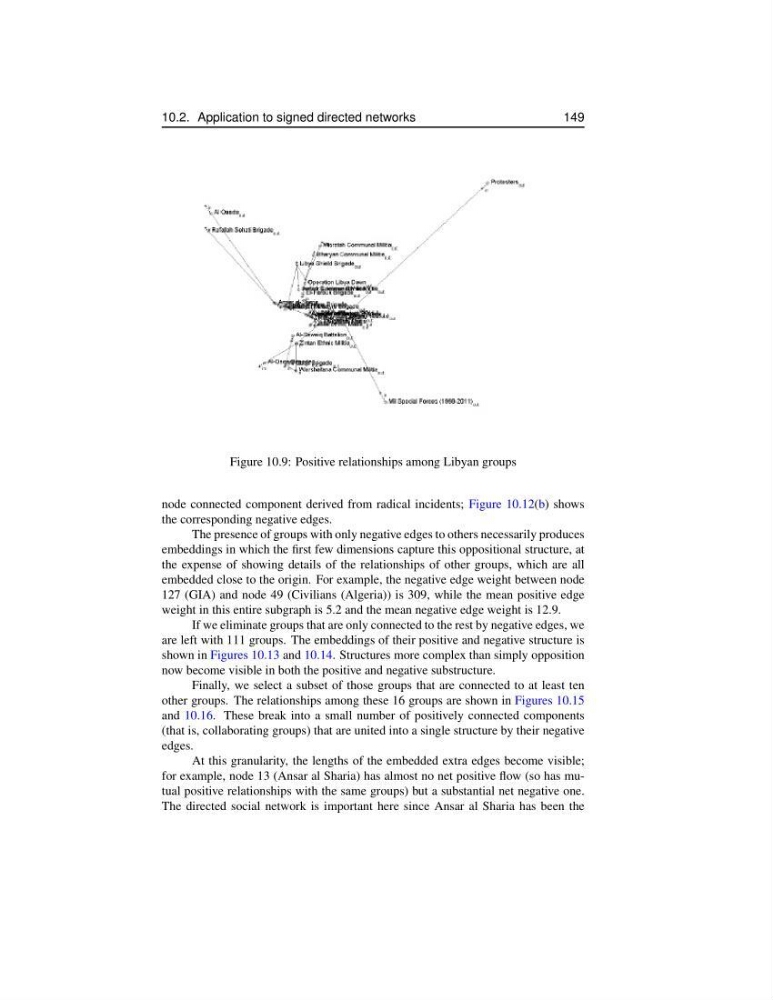
Figure 10.9: Positive relationships among Libyan groups
node connected component derived from radical incidents; Figure 10.12(b) shows
the corresponding negative edges.
The presence of groups with only negative edges to others necessarily produces
embeddings in which the first few dimensions capture this oppositional structure, at
the expense of showing details of the relationships of other groups, which are all
embedded close to the origin. For example, the negative edge weight between node
127 (GIA) and node 49 (Civilians (Algeria)) is 309, while the mean positive edge
weight in this entire subgraph is 5.2 and the mean negative edge weight is 12.9.
If we eliminate groups that are only connected to the rest by negative edges, we
are left with 111 groups. The embeddings of their positive and negative structure is
shown in Figures 10.13 and 10.14. Structures more complex than simply opposition
now become visible in both the positive and negative substructure.
Finally, we select a subset of those groups that are connected to at least ten
other groups. The relationships among these 16 groups are shown in Figures 10.15
and 10.16. These break into a small number of positively connected components
(that is, collaborating groups) that are united into a single structure by their negative
edges.
At this granularity, the lengths of the embedded extra edges become visible;
for example, node 13 (Ansar al Sharia) has almost no net positive flow (so has mutual positive relationships with the same groups) but a substantial net negative one.
The directed social network is important here since Ansar al Sharia has been the
149
Figure 10.9: Positive relationships among Libyan groups
node connected component derived from radical incidents; Figure 10.12(b) shows
the corresponding negative edges.
The presence of groups with only negative edges to others necessarily produces
embeddings in which the first few dimensions capture this oppositional structure, at
the expense of showing details of the relationships of other groups, which are all
embedded close to the origin. For example, the negative edge weight between node
127 (GIA) and node 49 (Civilians (Algeria)) is 309, while the mean positive edge
weight in this entire subgraph is 5.2 and the mean negative edge weight is 12.9.
If we eliminate groups that are only connected to the rest by negative edges, we
are left with 111 groups. The embeddings of their positive and negative structure is
shown in Figures 10.13 and 10.14. Structures more complex than simply opposition
now become visible in both the positive and negative substructure.
Finally, we select a subset of those groups that are connected to at least ten
other groups. The relationships among these 16 groups are shown in Figures 10.15
and 10.16. These break into a small number of positively connected components
(that is, collaborating groups) that are united into a single structure by their negative
edges.
At this granularity, the lengths of the embedded extra edges become visible;
for example, node 13 (Ansar al Sharia) has almost no net positive flow (so has mutual positive relationships with the same groups) but a substantial net negative one.
The directed social network is important here since Ansar al Sharia has been the