

Smart Tourism: Towards the Concept of a Data-Based Travel Experience
291
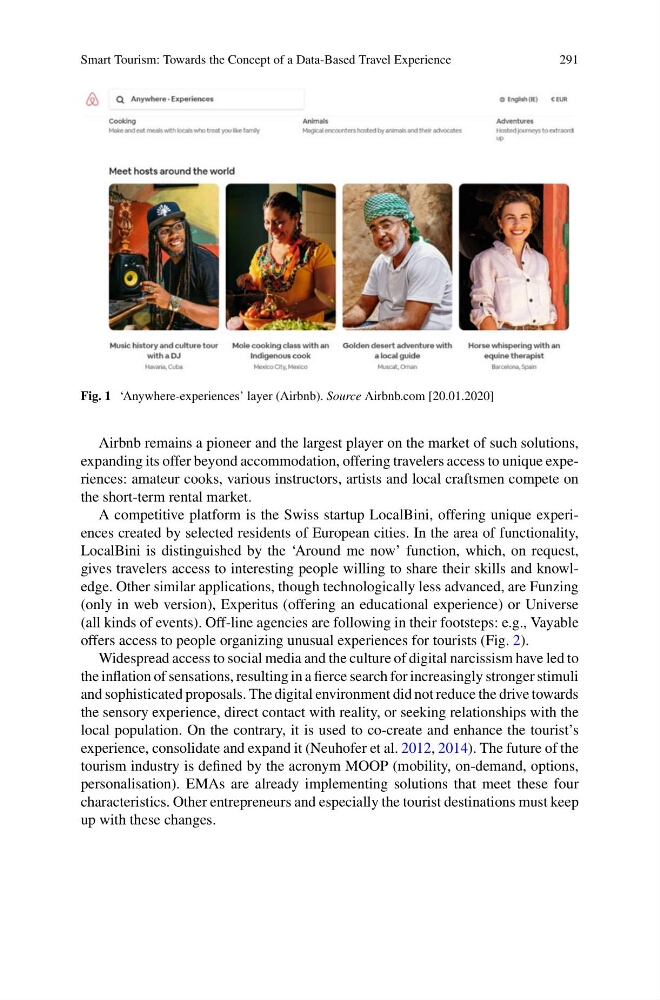
Fig. 1 ‘Anywhere-experiences’ layer (Airbnb). Source Airbnb.com [20.01.2020]
Airbnb remains a pioneer and the largest player on the market of such solutions,
expanding its offer beyond accommodation, offering travelers access to unique experiences: amateur cooks, various instructors, artists and local craftsmen compete on
the short-term rental market.
A competitive platform is the Swiss startup LocalBini, offering unique experiences created by selected residents of European cities. In the area of functionality,
LocalBini is distinguished by the ‘Around me now’ function, which, on request,
gives travelers access to interesting people willing to share their skills and knowledge. Other similar applications, though technologically less advanced, are Funzing
(only in web version), Experitus (offering an educational experience) or Universe
(all kinds of events). Off-line agencies are following in their footsteps: e.g., Vayable
offers access to people organizing unusual experiences for tourists (Fig. 2).
Widespread access to social media and the culture of digital narcissism have led to
the inflation of sensations, resulting in a fierce search for increasingly stronger stimuli
and sophisticated proposals. The digital environment did not reduce the drive towards
the sensory experience, direct contact with reality, or seeking relationships with the
local population. On the contrary, it is used to co-create and enhance the tourist’s
experience, consolidate and expand it (Neuhofer et al. 2012, 2014). The future of the
tourism industry is defined by the acronym MOOP (mobility, on-demand, options,
personalisation). EMAs are already implementing solutions that meet these four
characteristics. Other entrepreneurs and especially the tourist destinations must keep
up with these changes.
291
Fig. 1 ‘Anywhere-experiences’ layer (Airbnb). Source Airbnb.com [20.01.2020]
Airbnb remains a pioneer and the largest player on the market of such solutions,
expanding its offer beyond accommodation, offering travelers access to unique experiences: amateur cooks, various instructors, artists and local craftsmen compete on
the short-term rental market.
A competitive platform is the Swiss startup LocalBini, offering unique experiences created by selected residents of European cities. In the area of functionality,
LocalBini is distinguished by the ‘Around me now’ function, which, on request,
gives travelers access to interesting people willing to share their skills and knowledge. Other similar applications, though technologically less advanced, are Funzing
(only in web version), Experitus (offering an educational experience) or Universe
(all kinds of events). Off-line agencies are following in their footsteps: e.g., Vayable
offers access to people organizing unusual experiences for tourists (Fig. 2).
Widespread access to social media and the culture of digital narcissism have led to
the inflation of sensations, resulting in a fierce search for increasingly stronger stimuli
and sophisticated proposals. The digital environment did not reduce the drive towards
the sensory experience, direct contact with reality, or seeking relationships with the
local population. On the contrary, it is used to co-create and enhance the tourist’s
experience, consolidate and expand it (Neuhofer et al. 2012, 2014). The future of the
tourism industry is defined by the acronym MOOP (mobility, on-demand, options,
personalisation). EMAs are already implementing solutions that meet these four
characteristics. Other entrepreneurs and especially the tourist destinations must keep
up with these changes.