

Continental
crust
Mantle
Ocean
Lithosphere
Asthenosphere
Mid-ocean ridge
Ocea n crust
Continental
crust
Subduction zone
Continental collision
(a)
(b)
(d)
(e)
(c)
(f)
(g)
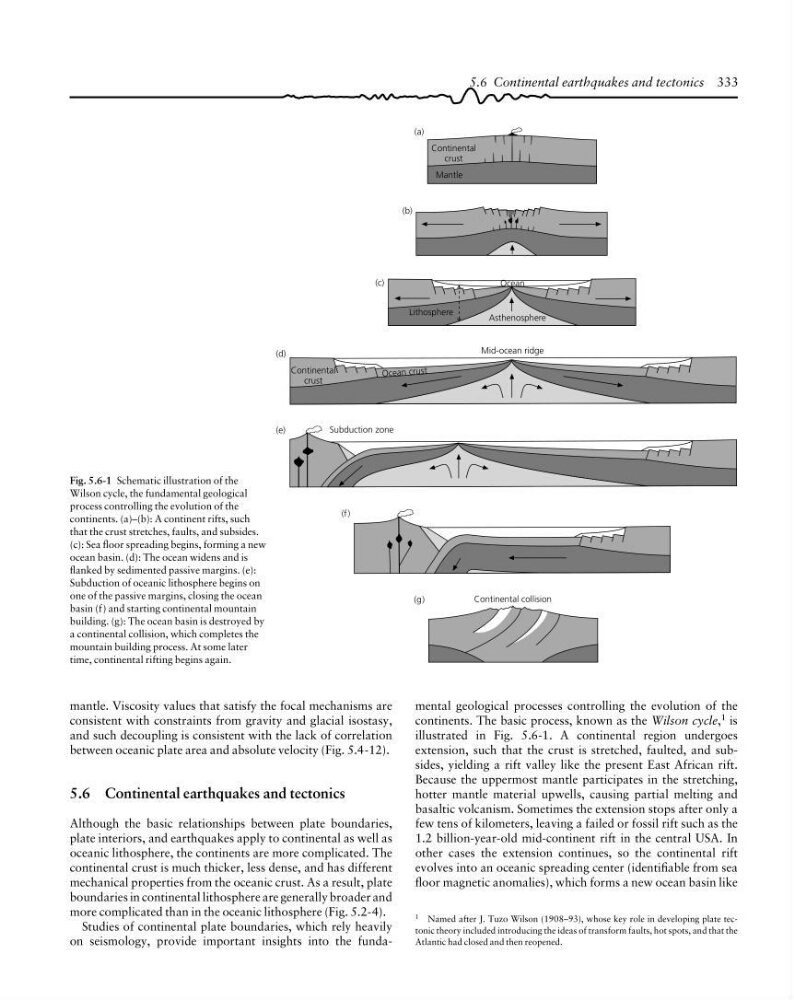
Fig. 5.6-1 Schematic illustration of the
Wilson cycle, the fundamental geological
process controlling the evolution of the
continents. (a)–(b): A continent rifts, such
that the crust stretches, faults, and subsides.
(c): Sea floor spreading begins, forming a new
ocean basin. (d): The ocean widens and is
flanked by sedimented passive margins. (e):
Subduction of oceanic lithosphere begins on
one of the passive margins, closing the ocean
basin (f) and starting continental mountain
building. (g): The ocean basin is destroyed by
a continental collision, which completes the
mountain building process. At some later
time, continental rifting begins again.
5.6 Continental earthquakes and tectonics 333
1 Named after J. Tuzo Wilson (1908–93), whose key role in developing plate tectonic theory included introducing the ideas of transform faults, hot spots, and that the
Atlantic had closed and then reopened.
mental geological processes controlling the evolution of the
continents. The basic process, known as the Wilson cycle, 1 is
illustrated in Fig. 5.6-1. A continental region undergoes
extension, such that the crust is stretched, faulted, and subsides, yielding a rift valley like the present East African rift.
Because the uppermost mantle participates in the stretching,
hotter mantle material upwells, causing partial melting and
basaltic volcanism. Sometimes the extension stops after only a
few tens of kilometers, leaving a failed or fossil rift such as the
1.2 billion-year-old mid-continent rift in the central USA. In
other cases the extension continues, so the continental rift
evolves into an oceanic spreading center (identifiable from sea
floor magnetic anomalies), which forms a new ocean basin like
mantle. Viscosity values that satisfy the focal mechanisms are
consistent with constraints from gravity and glacial isostasy,
and such decoupling is consistent with the lack of correlation
between oceanic plate area and absolute velocity (Fig. 5.4-12).
5.6 Continental earthquakes and tectonics
Although the basic relationships between plate boundaries,
plate interiors, and earthquakes apply to continental as well as
oceanic lithosphere, the continents are more complicated. The
continental crust is much thicker, less dense, and has different
mechanical properties from the oceanic crust. As a result, plate
boundaries in continental lithosphere are generally broader and
more complicated than in the oceanic lithosphere (Fig. 5.2-4).
Studies of continental plate boundaries, which rely heavily
on seismology, provide important insights into the funda-
crust
Mantle
Ocean
Lithosphere
Asthenosphere
Mid-ocean ridge
Ocea n crust
Continental
crust
Subduction zone
Continental collision
(a)
(b)
(d)
(e)
(c)
(f)
(g)
Fig. 5.6-1 Schematic illustration of the
Wilson cycle, the fundamental geological
process controlling the evolution of the
continents. (a)–(b): A continent rifts, such
that the crust stretches, faults, and subsides.
(c): Sea floor spreading begins, forming a new
ocean basin. (d): The ocean widens and is
flanked by sedimented passive margins. (e):
Subduction of oceanic lithosphere begins on
one of the passive margins, closing the ocean
basin (f) and starting continental mountain
building. (g): The ocean basin is destroyed by
a continental collision, which completes the
mountain building process. At some later
time, continental rifting begins again.
5.6 Continental earthquakes and tectonics 333
1 Named after J. Tuzo Wilson (1908–93), whose key role in developing plate tectonic theory included introducing the ideas of transform faults, hot spots, and that the
Atlantic had closed and then reopened.
mental geological processes controlling the evolution of the
continents. The basic process, known as the Wilson cycle, 1 is
illustrated in Fig. 5.6-1. A continental region undergoes
extension, such that the crust is stretched, faulted, and subsides, yielding a rift valley like the present East African rift.
Because the uppermost mantle participates in the stretching,
hotter mantle material upwells, causing partial melting and
basaltic volcanism. Sometimes the extension stops after only a
few tens of kilometers, leaving a failed or fossil rift such as the
1.2 billion-year-old mid-continent rift in the central USA. In
other cases the extension continues, so the continental rift
evolves into an oceanic spreading center (identifiable from sea
floor magnetic anomalies), which forms a new ocean basin like
mantle. Viscosity values that satisfy the focal mechanisms are
consistent with constraints from gravity and glacial isostasy,
and such decoupling is consistent with the lack of correlation
between oceanic plate area and absolute velocity (Fig. 5.4-12).
5.6 Continental earthquakes and tectonics
Although the basic relationships between plate boundaries,
plate interiors, and earthquakes apply to continental as well as
oceanic lithosphere, the continents are more complicated. The
continental crust is much thicker, less dense, and has different
mechanical properties from the oceanic crust. As a result, plate
boundaries in continental lithosphere are generally broader and
more complicated than in the oceanic lithosphere (Fig. 5.2-4).
Studies of continental plate boundaries, which rely heavily
on seismology, provide important insights into the funda-