

Microbial and chemical leaching processes are the most widely adopted leaching
techniques in hydrometallurgy. However, owing to its formation of toxic elements,
chemical leaching is not recommended (Sun et al. 2013). Furthermore, chemical
leaching generates huge amounts of sludge. Microbial leaching, colloquially called
bioleaching, is a group of techniques that refer to the use of direct or/and indirect
influences of various microorganisms to remove metals from waste sludge (Cui and
Zhang 2008). The metals present in this sludge can be extracted by reactions that
include adsorption, exchange, oxidation, reduction, and dissolution. Microbial
leaching methods are emerging technologies. They are extensively adopted for
treatment of mining wastes, e-waste, and sewage sludge (Quatrini and Johnson
2018). The US Environmental Protection Agency suggested its own guideline
process for disposing the harmful sludge. In China, widespread application of this
sludge technology is not seen. Generally, solidification and landfill disposal are
commonly employed. Recently, various investigators have done research on the
materialization and thermal treatment of different types of sludge (Gu and Wong
2004). The German government encourages sludge recycling and minimization, and
combinations of the above methods are implemented. However, there is not enough
information focusing on the e-waste sludge treatment.
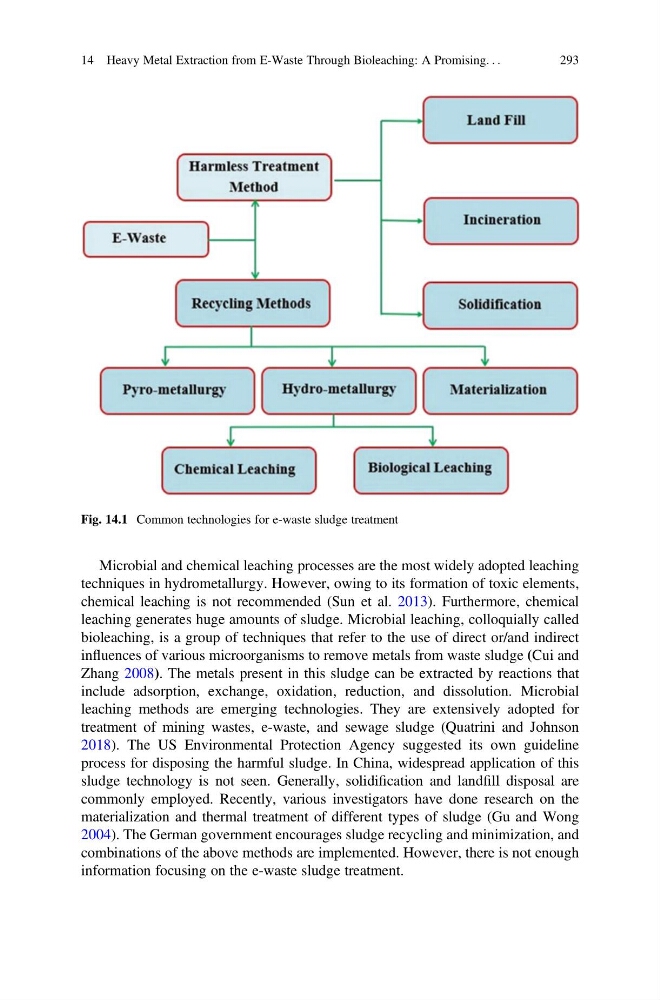
Fig. 14.1 Common technologies for e-waste sludge treatment
14 Heavy Metal Extraction from E-Waste Through Bioleaching: A Promising. . .
293
techniques in hydrometallurgy. However, owing to its formation of toxic elements,
chemical leaching is not recommended (Sun et al. 2013). Furthermore, chemical
leaching generates huge amounts of sludge. Microbial leaching, colloquially called
bioleaching, is a group of techniques that refer to the use of direct or/and indirect
influences of various microorganisms to remove metals from waste sludge (Cui and
Zhang 2008). The metals present in this sludge can be extracted by reactions that
include adsorption, exchange, oxidation, reduction, and dissolution. Microbial
leaching methods are emerging technologies. They are extensively adopted for
treatment of mining wastes, e-waste, and sewage sludge (Quatrini and Johnson
2018). The US Environmental Protection Agency suggested its own guideline
process for disposing the harmful sludge. In China, widespread application of this
sludge technology is not seen. Generally, solidification and landfill disposal are
commonly employed. Recently, various investigators have done research on the
materialization and thermal treatment of different types of sludge (Gu and Wong
2004). The German government encourages sludge recycling and minimization, and
combinations of the above methods are implemented. However, there is not enough
information focusing on the e-waste sludge treatment.
Fig. 14.1 Common technologies for e-waste sludge treatment
14 Heavy Metal Extraction from E-Waste Through Bioleaching: A Promising. . .
293