

7.4 Arsenic-Transforming Bacteria
Brevibacterium casei, a marine-based, gram-positive bacterial isolate which is heavy
metal tolerant. A proteomic study of the isolate was carried out in the presence of
chromium and arsenic which was revealed over all 2,549 proteins, in which 880 proteins found were commonly expressed in the absence of chromium and arsenic
metals. In the absence of any metal like the concentration of chromium
(100 mgL
À1 ) and arsenic (750 mgL
À1 ), 533, 212, and 270 proteins were unique.
The following proteins are only expressed when chromium and arsenic are present:
thioredoxin reductase, antibiotic biosynthesis monooxygenase, cytochrome C oxidase subunit II, and ArsR family transcriptional regulator. Other proteins such as
thioredoxin–disulfide reductase, superoxide dismutase, and lipid hydroperoxide
reductase were upregulated in the presence of chromium and arsenic. Cell
functioning-related proteins were downregulated in response to chromium and
arsenic. Major functions like energy metabolism, amino acid metabolism, carbohydrate metabolism, and translations were affected in response to chromium and
arsenic. Peptide mass fingerprinting of B. casei exposed to arsenic and chromium
metals, respectively, revealed the harmful effect of these metals on the bacteria and
its approach to overcome the stress (Shah and Damare 2020).
Studies have unraveled the major means of regulating As contamination, which
includes processes utilizing both methylation and redox reactions. As volatilization
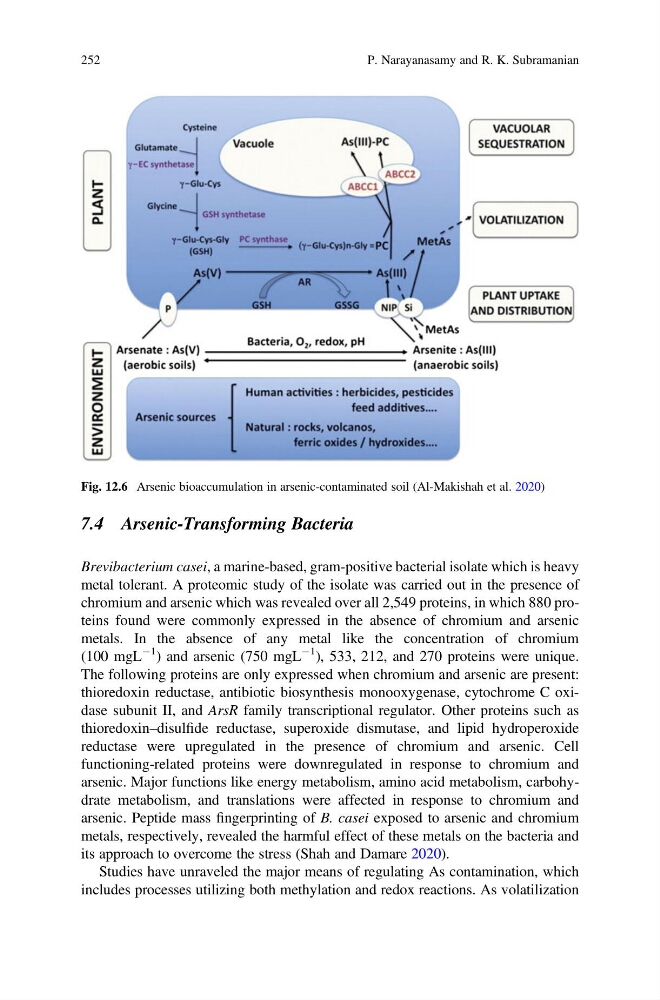
Fig. 12.6 Arsenic bioaccumulation in arsenic-contaminated soil (Al-Makishah et al. 2020)
252
P. Narayanasamy and R. K. Subramanian
Brevibacterium casei, a marine-based, gram-positive bacterial isolate which is heavy
metal tolerant. A proteomic study of the isolate was carried out in the presence of
chromium and arsenic which was revealed over all 2,549 proteins, in which 880 proteins found were commonly expressed in the absence of chromium and arsenic
metals. In the absence of any metal like the concentration of chromium
(100 mgL
À1 ) and arsenic (750 mgL
À1 ), 533, 212, and 270 proteins were unique.
The following proteins are only expressed when chromium and arsenic are present:
thioredoxin reductase, antibiotic biosynthesis monooxygenase, cytochrome C oxidase subunit II, and ArsR family transcriptional regulator. Other proteins such as
thioredoxin–disulfide reductase, superoxide dismutase, and lipid hydroperoxide
reductase were upregulated in the presence of chromium and arsenic. Cell
functioning-related proteins were downregulated in response to chromium and
arsenic. Major functions like energy metabolism, amino acid metabolism, carbohydrate metabolism, and translations were affected in response to chromium and
arsenic. Peptide mass fingerprinting of B. casei exposed to arsenic and chromium
metals, respectively, revealed the harmful effect of these metals on the bacteria and
its approach to overcome the stress (Shah and Damare 2020).
Studies have unraveled the major means of regulating As contamination, which
includes processes utilizing both methylation and redox reactions. As volatilization
Fig. 12.6 Arsenic bioaccumulation in arsenic-contaminated soil (Al-Makishah et al. 2020)
252
P. Narayanasamy and R. K. Subramanian