

3 Wastewater Treatment in Textile Processing
Wastewater treatment process is an overall water treatment system consisting primary treatment, secondary treatment, and tertiary treatment (Wang et al. 2011).
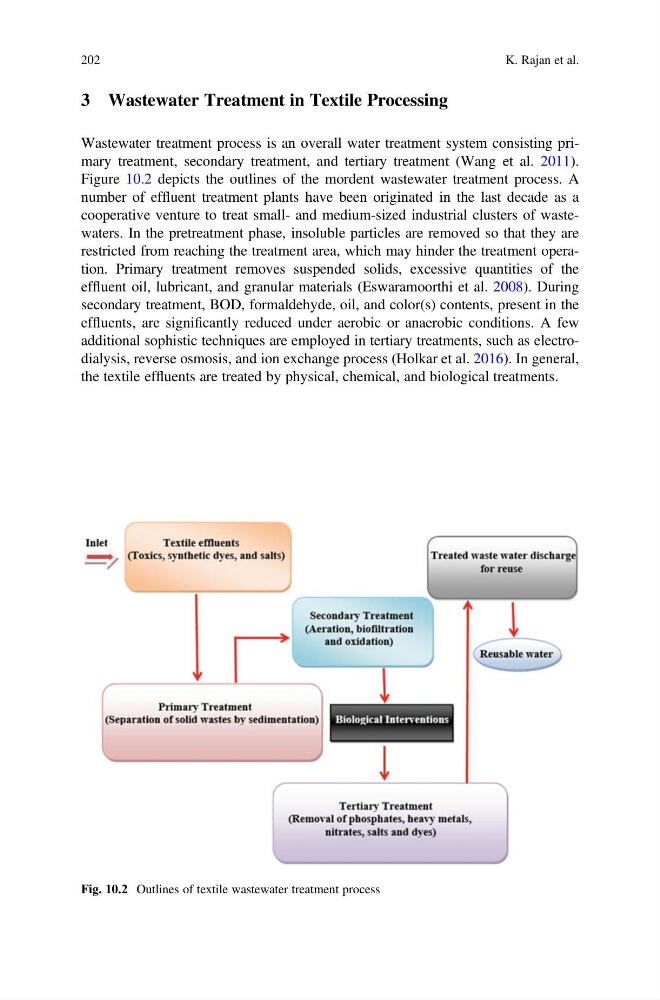
Figure 10.2 depicts the outlines of the mordent wastewater treatment process. A
number of effluent treatment plants have been originated in the last decade as a
cooperative venture to treat small- and medium-sized industrial clusters of wastewaters. In the pretreatment phase, insoluble particles are removed so that they are
restricted from reaching the treatment area, which may hinder the treatment operation. Primary treatment removes suspended solids, excessive quantities of the
effluent oil, lubricant, and granular materials (Eswaramoorthi et al. 2008). During
secondary treatment, BOD, formaldehyde, oil, and color(s) contents, present in the
effluents, are significantly reduced under aerobic or anaerobic conditions. A few
additional sophistic techniques are employed in tertiary treatments, such as electrodialysis, reverse osmosis, and ion exchange process (Holkar et al. 2016). In general,
the textile effluents are treated by physical, chemical, and biological treatments.
Fig. 10.2 Outlines of textile wastewater treatment process
202
K. Rajan et al.
Wastewater treatment process is an overall water treatment system consisting primary treatment, secondary treatment, and tertiary treatment (Wang et al. 2011).
Figure 10.2 depicts the outlines of the mordent wastewater treatment process. A
number of effluent treatment plants have been originated in the last decade as a
cooperative venture to treat small- and medium-sized industrial clusters of wastewaters. In the pretreatment phase, insoluble particles are removed so that they are
restricted from reaching the treatment area, which may hinder the treatment operation. Primary treatment removes suspended solids, excessive quantities of the
effluent oil, lubricant, and granular materials (Eswaramoorthi et al. 2008). During
secondary treatment, BOD, formaldehyde, oil, and color(s) contents, present in the
effluents, are significantly reduced under aerobic or anaerobic conditions. A few
additional sophistic techniques are employed in tertiary treatments, such as electrodialysis, reverse osmosis, and ion exchange process (Holkar et al. 2016). In general,
the textile effluents are treated by physical, chemical, and biological treatments.
Fig. 10.2 Outlines of textile wastewater treatment process
202
K. Rajan et al.