

Although chlorination remains the most widely accepted method, the water
treatment system may choose either one of the chlorine-based disinfection or their
combination.
2.2 Iodine
Iodine is a strong oxidant, which is more effective at a lower dosage and less
sensitive to pH and organic matter present in water. The active disinfectants are
elemental iodine and hypoiodous acid. The main disadvantage is that it could create
allergic reactions to any individual. The recommended concentration is 150ug/day
for adults. The concentration below 1 mg/l is effective for bacteria. However, the
same concentration will take a few hours to kill Giardia cysts. Iodine has more
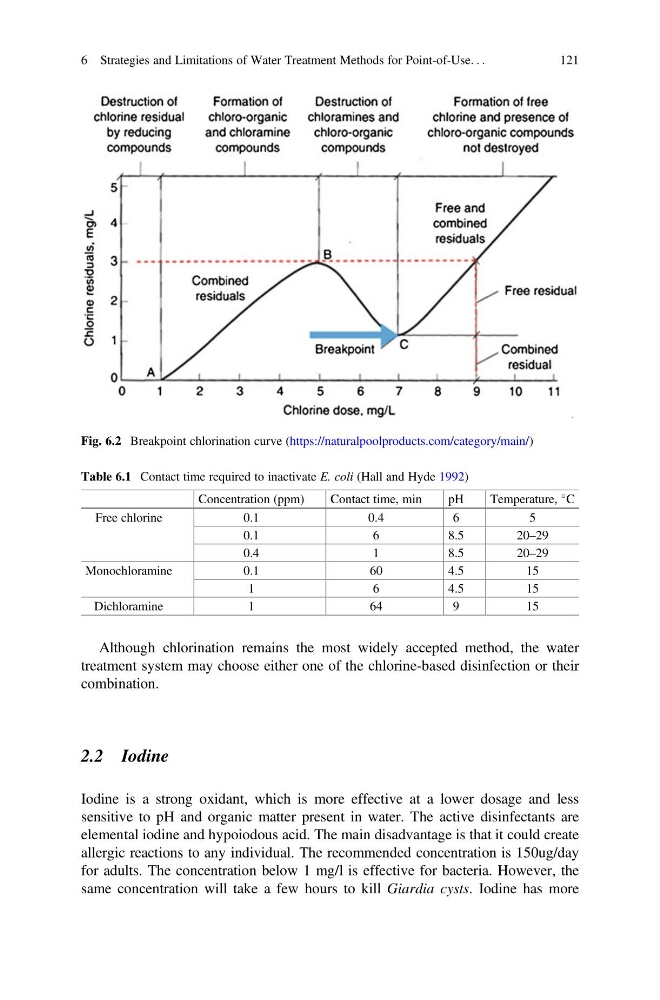
Fig. 6.2 Breakpoint chlorination curve (https://naturalpoolproducts.com/category/main/)
Table 6.1 Contact time required to inactivate E. coli (Hall and Hyde 1992)
Concentration (ppm)
Contact time, min
pH
Temperature,
C
Free chlorine
0.1
0.4
6
5
0.1
6
8.5
20–29
0.4
1
8.5
20–29
Monochloramine
0.1
60
4.5
15
1
6
4.5
15
Dichloramine
1
64
9
15
6 Strategies and Limitations of Water Treatment Methods for Point-of-Use. . .
121
treatment system may choose either one of the chlorine-based disinfection or their
combination.
2.2 Iodine
Iodine is a strong oxidant, which is more effective at a lower dosage and less
sensitive to pH and organic matter present in water. The active disinfectants are
elemental iodine and hypoiodous acid. The main disadvantage is that it could create
allergic reactions to any individual. The recommended concentration is 150ug/day
for adults. The concentration below 1 mg/l is effective for bacteria. However, the
same concentration will take a few hours to kill Giardia cysts. Iodine has more
Fig. 6.2 Breakpoint chlorination curve (https://naturalpoolproducts.com/category/main/)
Table 6.1 Contact time required to inactivate E. coli (Hall and Hyde 1992)
Concentration (ppm)
Contact time, min
pH
Temperature,
C
Free chlorine
0.1
0.4
6
5
0.1
6
8.5
20–29
0.4
1
8.5
20–29
Monochloramine
0.1
60
4.5
15
1
6
4.5
15
Dichloramine
1
64
9
15
6 Strategies and Limitations of Water Treatment Methods for Point-of-Use. . .
121