

53
Anatomy
occurs within these vesicles with nucleation of a protococcolith ring of simple crystals around the
rim of the precursor base-plate scale. This is followed by growth of these crystals in various directions to form complex crystal units. After completion of the coccolith, the vesicle dilates, its membrane fuse with the cell membrane, and exocytosis occurs. Outside the cell, the coccolith joins other
coccoliths to form the coccosphere, that is, the layer of coccoliths surrounding the cell (Figure 1.46).
Holococcoliths consist of large numbers of minute morphologically simple crystals. Studies
have been performed on two holococcolith-forming species, the motile holococcolith phase of
C. pelagicus and Calyptrosphaera sphaeroidea. As the heterococcoliths, the holococcoliths are
also underlain by base-plate organic scales formed inside Golgi vesicles. However, holococcolith
calcification is an extracellular process. Experimental evidences revealed that calcification occurs
in a single highly regulated space outside the cell membrane, but directly above the stack of Golgi
vesicles. This extracellular compartment is covered by a delicate organic envelope or “skin.” The
cell secretes calcite that fills the space between the skin and the base-plate scales. The coccosphere
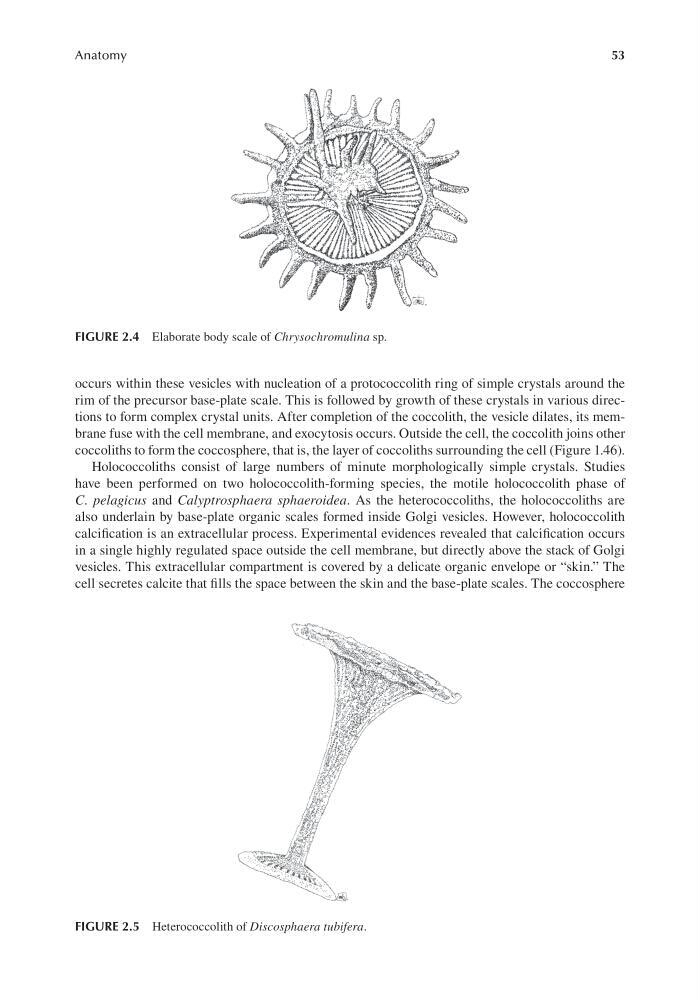
FIGURE 2.4 Elaborate body scale of Chrysochromulina sp.
FIGURE 2.5 Heterococcolith of Discosphaera tubifera.
Anatomy
occurs within these vesicles with nucleation of a protococcolith ring of simple crystals around the
rim of the precursor base-plate scale. This is followed by growth of these crystals in various directions to form complex crystal units. After completion of the coccolith, the vesicle dilates, its membrane fuse with the cell membrane, and exocytosis occurs. Outside the cell, the coccolith joins other
coccoliths to form the coccosphere, that is, the layer of coccoliths surrounding the cell (Figure 1.46).
Holococcoliths consist of large numbers of minute morphologically simple crystals. Studies
have been performed on two holococcolith-forming species, the motile holococcolith phase of
C. pelagicus and Calyptrosphaera sphaeroidea. As the heterococcoliths, the holococcoliths are
also underlain by base-plate organic scales formed inside Golgi vesicles. However, holococcolith
calcification is an extracellular process. Experimental evidences revealed that calcification occurs
in a single highly regulated space outside the cell membrane, but directly above the stack of Golgi
vesicles. This extracellular compartment is covered by a delicate organic envelope or “skin.” The
cell secretes calcite that fills the space between the skin and the base-plate scales. The coccosphere
FIGURE 2.4 Elaborate body scale of Chrysochromulina sp.
FIGURE 2.5 Heterococcolith of Discosphaera tubifera.