

42
Algae
as a fine skein of tiny granules. The photoreceptive system consisting of an orange eyespot located
free in the cytoplasm and the true photoreceptor located at the base of the flagellum can be considered unique among unicellular algae. The reserve polysaccharide is paramylon, β-1,3-glucan stored
in granules scattered inside the cytoplasm, and not in the chloroplasts such as the starch of the
Chlorophyta. Though possessing chlorophylls, these algae are not photoautotrophic but rather obligate mixotrophic, because they require one or more vitamins of the B group. Some colorless genera
are phagotrophic, with specialized cellular organelle for capture and ingestion of prey, while some
other are osmotrophic. Some of the pigmented genera are facultative heterotrophic. Only asexual
reproduction is known in this division. Euglenophyceae possess unique cellular and biochemical
features that place these microorganisms closer to trypanosomes than to any other algal group.
ENDOSYMBIOSIS AND ORIGIN OF EUKARYOTIC PHOTOSYNTHESIS
The origin of cyanobacteria can be equated with the origin of aerobic photosynthesis around 2.8
billion years ago, in the Archaean Era of earth history. From that time to present, cyanobacteria
have played fundamental roles in driving much of the ocean carbon, oxygen, and nitrogen fluxes,
establishing a major turning point in the biogeochemistry of our planet. Prior to the appearance of
these organisms, all photosynthetic organisms were anaerobic bacteria that used light to couple the
reduction of carbon dioxide to the oxidation of low free energy molecules, such as H 2 S or preformed
organics. Cyanobacteria developed a key characteristic that distinguished them from their photosynthetic evolutionary precursors, that is the ability to extract electrons from water releasing oxygen as
a byproduct, with the help of two photosystems linked in series. Oxygenic photosynthesis exploits
the energy of visible light to oxidize water and simultaneously reduces CO 2 to organic carbon represented by (CH 2 O) n . Light energy is used as a substrate and chlorophyll a as a requisite catalytic agent.
Formally oxygenic photosynthesis can be summarized as
CO
H O light
CH O
O
Chlorophyll
2
2
2
2
+
+
→
+
a
n
(
)
Thanks to endosymbiosis, the photosynthetic trait was acquired in the founding group of photosynthetic eukaryotes, the Plantae or Archaeplastida, and spread to give rise to the wide variety of
photosynthetic eukaryotes on earth today. The origin of plastids in eukaryotic cells about 1.8 billion years ago is one of the most profound effects of the endosymbiotic process. These organelles
have been well established to have evolved from a single so-called “primary endosymbiotic event”
involving the uptake of a β-cyanobacterium by a heterotrophic/phagotrophic eukaryote, whose
ancestors had already acquired a mitochondrion via endosymbiosis of a proteobacterium. Plastid
genomes rarely encode more than 200 proteins, which represent a small fraction of the proteins
required for full functionality, and an even smaller fraction of the few thousand proteins found in
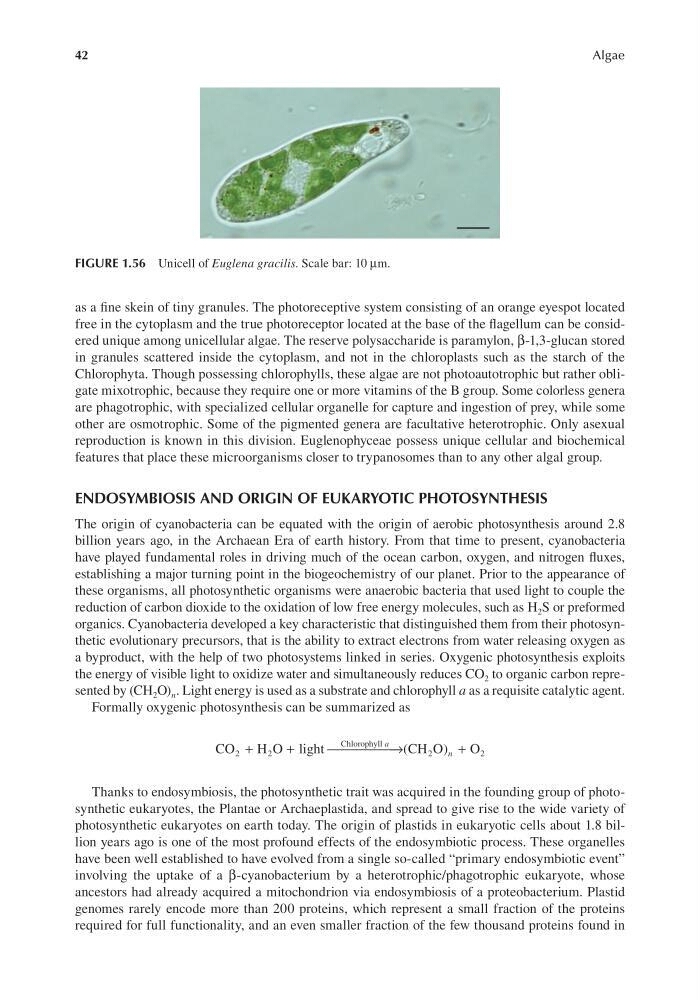
FIGURE 1.56 Unicell of Euglena gracilis. Scale bar: 10 μm.
Algae
as a fine skein of tiny granules. The photoreceptive system consisting of an orange eyespot located
free in the cytoplasm and the true photoreceptor located at the base of the flagellum can be considered unique among unicellular algae. The reserve polysaccharide is paramylon, β-1,3-glucan stored
in granules scattered inside the cytoplasm, and not in the chloroplasts such as the starch of the
Chlorophyta. Though possessing chlorophylls, these algae are not photoautotrophic but rather obligate mixotrophic, because they require one or more vitamins of the B group. Some colorless genera
are phagotrophic, with specialized cellular organelle for capture and ingestion of prey, while some
other are osmotrophic. Some of the pigmented genera are facultative heterotrophic. Only asexual
reproduction is known in this division. Euglenophyceae possess unique cellular and biochemical
features that place these microorganisms closer to trypanosomes than to any other algal group.
ENDOSYMBIOSIS AND ORIGIN OF EUKARYOTIC PHOTOSYNTHESIS
The origin of cyanobacteria can be equated with the origin of aerobic photosynthesis around 2.8
billion years ago, in the Archaean Era of earth history. From that time to present, cyanobacteria
have played fundamental roles in driving much of the ocean carbon, oxygen, and nitrogen fluxes,
establishing a major turning point in the biogeochemistry of our planet. Prior to the appearance of
these organisms, all photosynthetic organisms were anaerobic bacteria that used light to couple the
reduction of carbon dioxide to the oxidation of low free energy molecules, such as H 2 S or preformed
organics. Cyanobacteria developed a key characteristic that distinguished them from their photosynthetic evolutionary precursors, that is the ability to extract electrons from water releasing oxygen as
a byproduct, with the help of two photosystems linked in series. Oxygenic photosynthesis exploits
the energy of visible light to oxidize water and simultaneously reduces CO 2 to organic carbon represented by (CH 2 O) n . Light energy is used as a substrate and chlorophyll a as a requisite catalytic agent.
Formally oxygenic photosynthesis can be summarized as
CO
H O light
CH O
O
Chlorophyll
2
2
2
2
+
+
→
+
a
n
(
)
Thanks to endosymbiosis, the photosynthetic trait was acquired in the founding group of photosynthetic eukaryotes, the Plantae or Archaeplastida, and spread to give rise to the wide variety of
photosynthetic eukaryotes on earth today. The origin of plastids in eukaryotic cells about 1.8 billion years ago is one of the most profound effects of the endosymbiotic process. These organelles
have been well established to have evolved from a single so-called “primary endosymbiotic event”
involving the uptake of a β-cyanobacterium by a heterotrophic/phagotrophic eukaryote, whose
ancestors had already acquired a mitochondrion via endosymbiosis of a proteobacterium. Plastid
genomes rarely encode more than 200 proteins, which represent a small fraction of the proteins
required for full functionality, and an even smaller fraction of the few thousand proteins found in
FIGURE 1.56 Unicell of Euglena gracilis. Scale bar: 10 μm.