

41
General Overview
fishes. Some dinoflagellates are invertebrate parasites, while others are endosymbionts (zooxanthellae) of tropical corals. Dinoflagellates possess chlorophylls a, c 1 , and c 2 , fucoxanthin, other
carotenoids, and xanthophylls such as peridinin, gyroxanthin diester, dinoxanthin, diadinoxantin,
and fucoxanthin. The chloroplasts, where present, are surrounded by three membranes. Within the
chloroplasts typical pyrenoids are present, the thylakoids are for the most part united in a stack of 3.
The chloroplast DNA is localized in small nodules scattered in the whole chloroplast. A really complex photoreceptive system is present in the dinophytes such as Warnowia polyphemus, W. pulcra,
or Erythropsidinium agile consisting of a “compound eye” composed of a lens and a retinoid. Most
dinoflagellates are distinguished by a dinokaryon, a special eukaryotic nucleus involving fibrillar
chromosomes that remain condensed during the mitotic cycles. The principal reserve polysaccharide is starch, located as grains in the cytoplasm, but oil droplets are present in some genera. At
the surface of the cell, there are trichocysts that discharge explosively when stimulated. Besides
photoautotrophy, dinoflagellates exhibit an amazing diversity of nutritional types since about half
of the known species lack plastids and are therefore obligate heterotrophic. Some are notorious for
nuisance blooms and toxin production, and many exhibit bioluminescence. Dinophyceae have generally a haplontic life history.
eUglenozoa—eUglenophyceae
Euglenophyceae include mostly unicellular flagellates, although colonial species are common
(Figures 1.1bi, 1.1bl, 1.1bm, 1.1bn, and 1.56). They are widely distributed, occurring in freshwater,
but also brackish and marine waters, most soils and mud. They are especially abundant in highly
heterotrophic environments. The flagella arise from the bottom of a cavity called reservoir, located
in the anterior end of the cell. Cells can also ooze their way through mud or sand by a process
known as metaboly, a series of flowing movements made possible by the presence of the pellicle,
a proteinaceous wall that lies inside the cytoplasm. The pellicle can have a spiral construction and
can be ornamented. The members of this division share their pigmentation with prochlorophytes,
green algae, and land plants, since they have chlorophylls a and b, β- and γ-carotenes, and xanthins. However, plastids could be colorless or absent in some species. As in the Dinophyceae, the
chloroplast envelope consists of three membranes. Within the chloroplasts, the thylakoids are usually in groups of 3, without a girdle lamella; pyrenoids may be present. The chloroplast DNA occurs
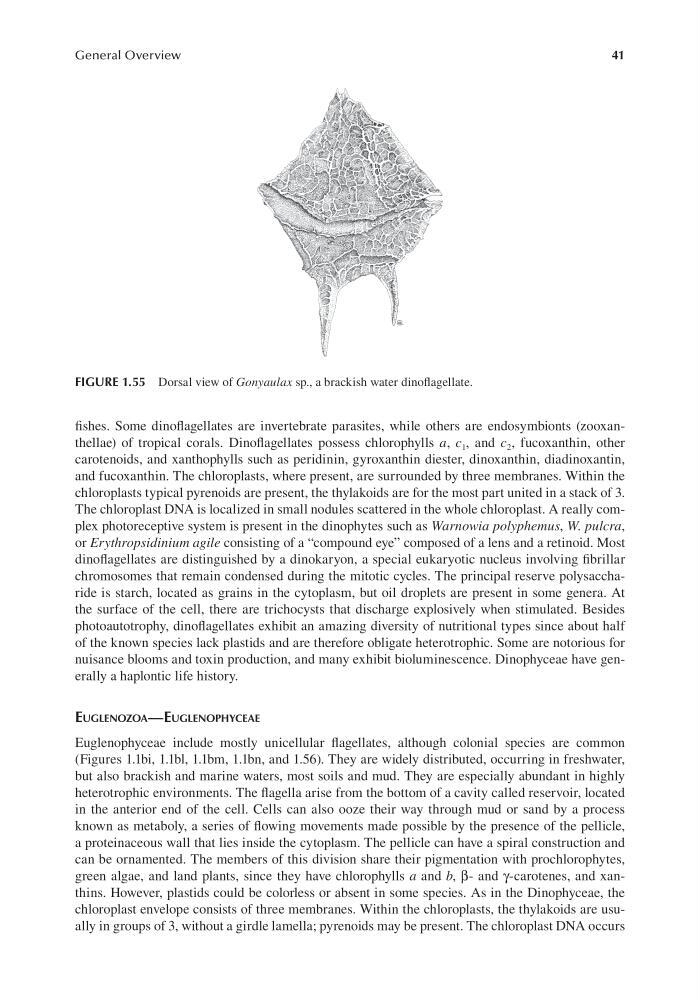
FIGURE 1.55 Dorsal view of Gonyaulax sp., a brackish water dinoflagellate.
General Overview
fishes. Some dinoflagellates are invertebrate parasites, while others are endosymbionts (zooxanthellae) of tropical corals. Dinoflagellates possess chlorophylls a, c 1 , and c 2 , fucoxanthin, other
carotenoids, and xanthophylls such as peridinin, gyroxanthin diester, dinoxanthin, diadinoxantin,
and fucoxanthin. The chloroplasts, where present, are surrounded by three membranes. Within the
chloroplasts typical pyrenoids are present, the thylakoids are for the most part united in a stack of 3.
The chloroplast DNA is localized in small nodules scattered in the whole chloroplast. A really complex photoreceptive system is present in the dinophytes such as Warnowia polyphemus, W. pulcra,
or Erythropsidinium agile consisting of a “compound eye” composed of a lens and a retinoid. Most
dinoflagellates are distinguished by a dinokaryon, a special eukaryotic nucleus involving fibrillar
chromosomes that remain condensed during the mitotic cycles. The principal reserve polysaccharide is starch, located as grains in the cytoplasm, but oil droplets are present in some genera. At
the surface of the cell, there are trichocysts that discharge explosively when stimulated. Besides
photoautotrophy, dinoflagellates exhibit an amazing diversity of nutritional types since about half
of the known species lack plastids and are therefore obligate heterotrophic. Some are notorious for
nuisance blooms and toxin production, and many exhibit bioluminescence. Dinophyceae have generally a haplontic life history.
eUglenozoa—eUglenophyceae
Euglenophyceae include mostly unicellular flagellates, although colonial species are common
(Figures 1.1bi, 1.1bl, 1.1bm, 1.1bn, and 1.56). They are widely distributed, occurring in freshwater,
but also brackish and marine waters, most soils and mud. They are especially abundant in highly
heterotrophic environments. The flagella arise from the bottom of a cavity called reservoir, located
in the anterior end of the cell. Cells can also ooze their way through mud or sand by a process
known as metaboly, a series of flowing movements made possible by the presence of the pellicle,
a proteinaceous wall that lies inside the cytoplasm. The pellicle can have a spiral construction and
can be ornamented. The members of this division share their pigmentation with prochlorophytes,
green algae, and land plants, since they have chlorophylls a and b, β- and γ-carotenes, and xanthins. However, plastids could be colorless or absent in some species. As in the Dinophyceae, the
chloroplast envelope consists of three membranes. Within the chloroplasts, the thylakoids are usually in groups of 3, without a girdle lamella; pyrenoids may be present. The chloroplast DNA occurs
FIGURE 1.55 Dorsal view of Gonyaulax sp., a brackish water dinoflagellate.