

14.4 Conclusion
Carbon emissions trading is a market-based approach used to lower abatement costs
in countries selling and purchasing carbon. This chapter explores the possible impact
of emissions trading by simulating a scenario in which emissions trading takes place
among China, Japan, and Korea in a low-carbon community. Developed countries
such as Japan and Korea can lower their total reduction costs through carbon trading,
even when the cost of purchasing carbon credits is factored in. Japan and Korea
reduce their total abatement costs by 13.0% and 10.1%, respectively, compared to
the no trading scenario. Developing countries (China in this study), benefit from the
sale of carbon credits. China faces increased domestic abatement costs to produce
extra carbon emissions for sale but gains revenue from carbon credit sales and
reduces total abatement costs by 5.0%. In addition, cleaner environments provided
by relatively stringent constraints on carbon emissions provide additional benefits
for China. The international carbon price in this carbon trading scenario is 433.2
USD (2005)/tC, within the range of domestic carbon prices of countries buying and
selling carbon. Analyses of MAC curves reveal that carbon trading raises the
domestic carbon price in China, and China needs to improve the reduction efficiency
of different abatement measures to achieve the additional carbon reduction. For
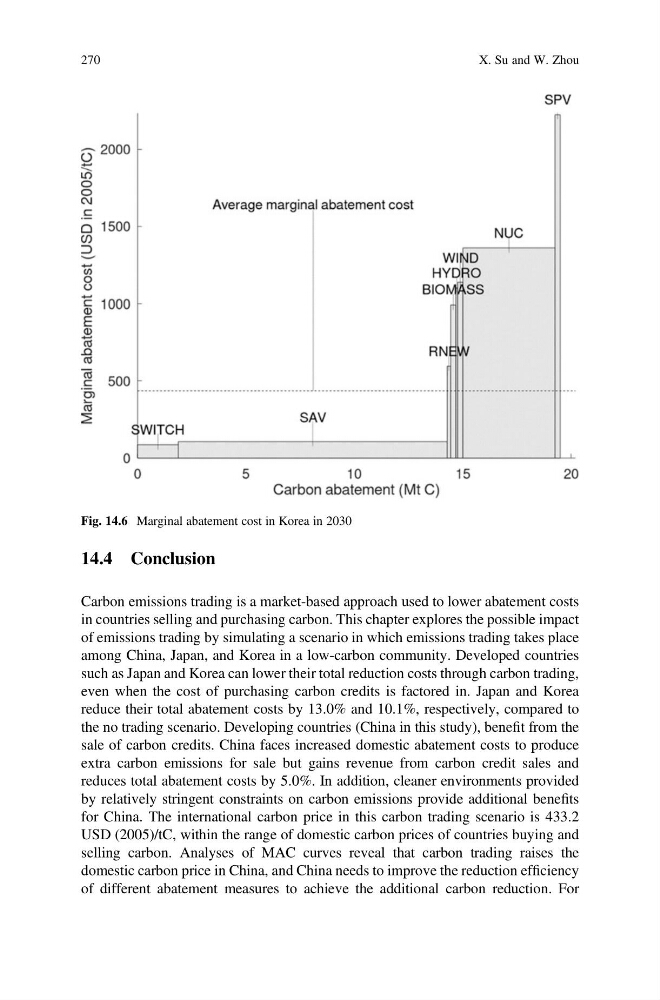
Fig. 14.6 Marginal abatement cost in Korea in 2030
270
X. Su and W. Zhou
Carbon emissions trading is a market-based approach used to lower abatement costs
in countries selling and purchasing carbon. This chapter explores the possible impact
of emissions trading by simulating a scenario in which emissions trading takes place
among China, Japan, and Korea in a low-carbon community. Developed countries
such as Japan and Korea can lower their total reduction costs through carbon trading,
even when the cost of purchasing carbon credits is factored in. Japan and Korea
reduce their total abatement costs by 13.0% and 10.1%, respectively, compared to
the no trading scenario. Developing countries (China in this study), benefit from the
sale of carbon credits. China faces increased domestic abatement costs to produce
extra carbon emissions for sale but gains revenue from carbon credit sales and
reduces total abatement costs by 5.0%. In addition, cleaner environments provided
by relatively stringent constraints on carbon emissions provide additional benefits
for China. The international carbon price in this carbon trading scenario is 433.2
USD (2005)/tC, within the range of domestic carbon prices of countries buying and
selling carbon. Analyses of MAC curves reveal that carbon trading raises the
domestic carbon price in China, and China needs to improve the reduction efficiency
of different abatement measures to achieve the additional carbon reduction. For
Fig. 14.6 Marginal abatement cost in Korea in 2030
270
X. Su and W. Zhou