

13.3.2 Analysis of Low-Carbon Effects
Bicycles have a low-carbon impact as environmentally friendly vehicles because
they do not emit carbon dioxide or harmful substances when used. Such effects are
important to consider in terms of building low-carbon cities and transportation (Qian
et al. 2017).
Driving 10 km in a private car emits 2.73 kg of carbon dioxide. Assuming that the
average rental time of public bicycles in Hangzhou is 0.56 h and average cycling
speed is 12 km/h, each trip covers approximately 6.7 km. If on average there were
500,000 daily rentals in 2019, annual CO 2 reductions would be approximately
334,000 tons. As shown in Fig. 13.3, the public bicycle system has significantly
reduced carbon dioxide emissions since the beginning of 2008. The combination of
this initiative of the Hangzhou municipal government and the introduction of taxes
led to relatively rapid adoption of public bicycles. Cooperation with public transportation such as subways and buses, active introduction of new technologies and
systems, close collaboration between the public and private sector, and optimized
cycle port design are important components of a successful community bicycle
scheme.
However, introduction of this scheme in Hangzhou has shown that despite its
large scale and wide range of users, there is no resultant decrease in the number of
cars and city buses (Fig. 13.4). The rate of uptake of bicycle use has not slowed since
bicycle sharing was launched, demonstrating the potential for further carbon
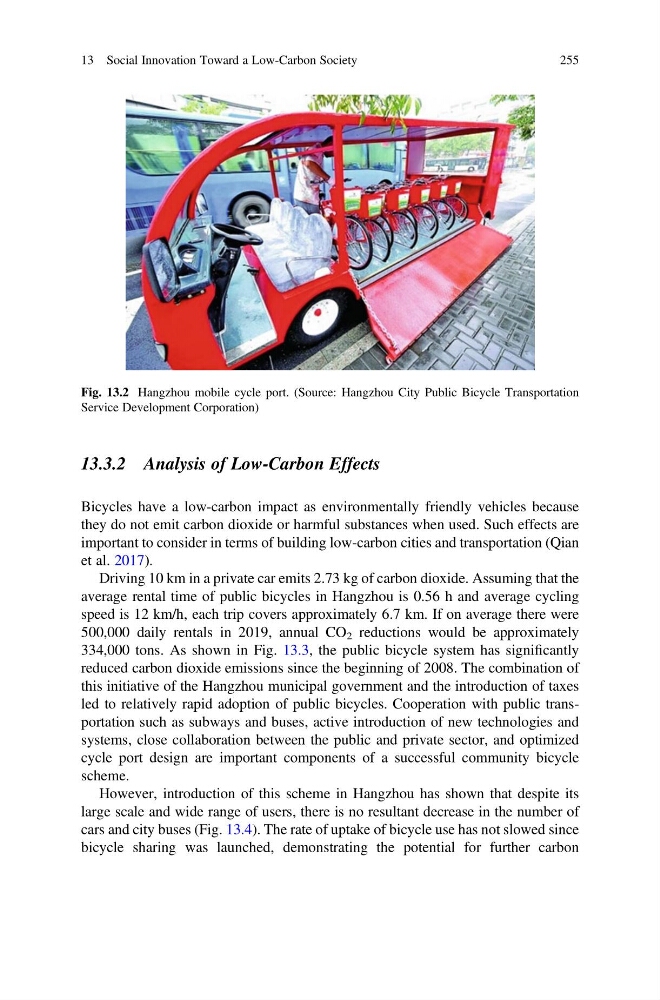
Fig. 13.2 Hangzhou mobile cycle port. (Source: Hangzhou City Public Bicycle Transportation
Service Development Corporation)
13 Social Innovation Toward a Low-Carbon Society
255
Bicycles have a low-carbon impact as environmentally friendly vehicles because
they do not emit carbon dioxide or harmful substances when used. Such effects are
important to consider in terms of building low-carbon cities and transportation (Qian
et al. 2017).
Driving 10 km in a private car emits 2.73 kg of carbon dioxide. Assuming that the
average rental time of public bicycles in Hangzhou is 0.56 h and average cycling
speed is 12 km/h, each trip covers approximately 6.7 km. If on average there were
500,000 daily rentals in 2019, annual CO 2 reductions would be approximately
334,000 tons. As shown in Fig. 13.3, the public bicycle system has significantly
reduced carbon dioxide emissions since the beginning of 2008. The combination of
this initiative of the Hangzhou municipal government and the introduction of taxes
led to relatively rapid adoption of public bicycles. Cooperation with public transportation such as subways and buses, active introduction of new technologies and
systems, close collaboration between the public and private sector, and optimized
cycle port design are important components of a successful community bicycle
scheme.
However, introduction of this scheme in Hangzhou has shown that despite its
large scale and wide range of users, there is no resultant decrease in the number of
cars and city buses (Fig. 13.4). The rate of uptake of bicycle use has not slowed since
bicycle sharing was launched, demonstrating the potential for further carbon
Fig. 13.2 Hangzhou mobile cycle port. (Source: Hangzhou City Public Bicycle Transportation
Service Development Corporation)
13 Social Innovation Toward a Low-Carbon Society
255